
Visa vacances-travail à Tokyo : Appartements abordables et maisons partagées pour vos 6 premiers mois

Logement pour Working Holiday à Tokyo : Ce Que Vous Devez Vraiment Savoir Avant Votre Arrivée
Organiser votre logement pour working holiday à Tokyo avant d'arriver est l'une des meilleures décisions que vous puissiez prendre. Avec seulement 12 mois de visa Working Holiday (WHV) — et les premières semaines déjà consommées par le décalage horaire et les formalités administratives — régler votre situation de logement rapidement signifie plus de temps à profiter réellement de Tokyo.
Ce guide couvre tout, des budgets réalistes du premier mois aux meilleurs quartiers pour les arrivants en WHV, pour que vous arrêtiez de scroller et commenciez à faire vos valises.

Ce Dont Ont Vraiment Besoin Les Titulaires de WHV
Un working holiday n'est pas une mission d'expatriation à long terme. Vous êtes là pour travailler, explorer et découvrir le Japon — non pas pour signer un bail de deux ans et acheter un canapé. Vos besoins en matière de logement sont spécifiques et différents de ceux d'un touriste ou d'une embauche d'entreprise.
Voici ce dont la plupart des arrivants en WHV ont réellement besoin :
- Pas de contrat à long terme : La plupart des titulaires de WHV restent 3 à 12 mois, donc un contrat mensuel flexible est essentiel.
- Entièrement meublé dès le premier jour : Vous ne voulez pas acheter un cadre de lit à votre arrivée. Cherchez des chambres avec lit, bureau, rangements et accès à la cuisine déjà inclus.
- Utilitaires inclus : Le budget est déjà difficile sans factures d'électricité surprises en été (les coûts de climatisation à Tokyo sont réels).
- Wi-Fi inclus : Non négociable quand vous cherchez du travail, utilisez des applis de langue et restez en contact avec votre famille.
- Support parlant anglais : Pour les questions contractuelles et les appareils qui cassent, vous voulez du personnel qui peut vous aider sans traducteur.
- Bons liens de transport : Vous commencerez probablement vers des emplois à temps partiel — la proximité d'une ligne de train majeure compte.
Les maisons partagées et les appartements meublés conçus pour les résidents internationaux cochent presque toutes ces cases. Les appartements japonais standards — qui nécessitent généralement un garant japonais, de l'argent pour la clé et un espace non meublé — sont vraiment difficiles d'accès pour la plupart des titulaires de WHV.
Budget Réaliste du Premier Mois pour Logement WHV à Tokyo
Tokyo a la réputation d'être cher, mais c'est plus nuancé que cela. Votre premier mois coûtera toujours plus que les mois suivants à cause des frais de mise en place — mais voici ce qu'il faut réalistement attendre.
Pour un logement pas cher WHV à Tokyo, une maison partagée est presque toujours l'option la plus économique. Voici un exemple de ventilation du premier mois :
- Loyer maison partagée (zone centrale) : ¥60 000–¥80 000/mois (utilitaires + Wi-Fi souvent inclus)
- Dépôt initial/frais administratifs : ¥10 000–¥30 000 (bien moins que l'argent de clé d'un appartement standard)
- Carte SIM ou poche Wi-Fi : ¥3 000–¥5 000 mise en place + ¥2 000–¥3 500/mois
- Recharge carte IC (Suica/Pasmo) : ¥3 000–¥5 000 pour commencer
- Épicerie et articles du quotidien : ¥25 000–¥40 000/mois
- Manger au restaurant (occasionnel) : ¥10 000–¥20 000/mois
Estimation du premier mois total : environ ¥113 000–¥184 000 incluant tous les frais de mise en place. Après cela, les frais de vie mensuels se stabilisent autour de ¥100 000–¥130 000 si vous êtes raisonnable.
Conseil Pro : Apportez au moins ¥150 000–¥200 000 en fonds accessibles à votre arrivée. Les comptes bancaires japonais prennent 1 à 2 semaines à ouvrir, et beaucoup de propriétaires et de services préfèrent toujours l'espèces ou les virements bancaires japonais.
Meilleures Maisons Partagées pour Arrivants WHV à Tokyo
Toutes les maisons partagées ne sont pas égales. Pour les titulaires de visas working holiday en particulier, les meilleures options combinent l'accessibilité avec la communauté — parce qu'arriver seul dans un nouveau pays, c'est beaucoup mieux quand vos voisins vous parlent réellement.
Quartiers à Considérer
Shinjuku et Nakano : Central, extrêmement bien desservi, avec accès facile à plusieurs lignes de train. Idéal si vous prévoyez de travailler dans l'hôtellerie ou la vente au détail partout dans la ville.
Shimokitazawa et Sangenjaya : Tendance, légèrement moins cher que Shibuya, populaire auprès des créatifs et des jeunes internationaux. Shimokitazawa est desservi par les lignes Odakyu et Keio Inokashira ; Sangenjaya par la ligne Den-en-toshi — tous deux vous connectent rapidement à la plupart de la ville.
Koenji et Asagaya : Sur la ligne JR Chuo, ces zones offrent une ambiance décontractée et des loyers plus bas que les endroits plus centraux — sans sacrifier l'accès. Un bon choix pour les titulaires de WHV qui surveillent étroitement leur budget.
Shin-Okubo (Koreatown) : Abordable, énergique et diversifié. Excellentes options alimentaires à bas prix, et très bien desservi par la ligne Yamanote.
Ce à Quoi Chercher dans une Maison Partagée WHV
- Contrats mensuels flexibles (pas de verrouillage minimum de 6 mois)
- Communauté internationale mixte — vous vous ferez des amis plus vite
- Cuisine partagée, salon et installations de blanchisserie en bon état
- Contrats et personnel en anglais
- Proche d'une gare de train ou station de métro majeure (10 minutes de marche max)

Durante vos premières semaines à Tokyo, votre maison partagée n'est pas seulement où vous dormez — c'est votre réseau social, votre base de connaissances locales et votre filet de sécurité le tout en un.
Appartements Meublés vs Maison Partagée pour un Séjour de 6 Mois
Les deux options sont viables pour un logement maison partagée working holiday Japon ou une mise en place d'appartement — le bon choix dépend de votre personnalité, de votre budget et de la façon dont vous travaillez au mieux.
Maison Partagée : Idéal pour Titulaires WHV Sociaux et Économes
Les maisons partagées sont le choix standard pour la plupart des arrivants en WHV, et pour de bonnes raisons. Coûts mensuels plus bas, communauté intégrée et mise en place minimale les rendent idéales pour les 3 à 6 premiers mois. Vous n'avez pas besoin de vous inquiéter d'acheter des produits de nettoyage, des stocks de papier toilette ou de connecter Internet — c'est déjà fait.
Le compromis est la vie privée. Vous partagerez salles de bain, cuisines et espaces communs. Si vous travaillez en équipes de nuit ou heures irrégulières, cela peut occasionnellement créer des frictions avec les colocataires.
Appartement Meublé : Idéal pour Titulaires WHV Focalisés et Indépendants
Un studio entièrement meublé ou un 1K vous donne votre propre porte d'entrée, votre propre salle de bain et votre propre emploi du temps. Pour les titulaires de WHV qui font du travail indépendant à distance, étudient intensivement le japonais ou ont simplement besoin d'espace pour décompresser, un appartement meublé privé peut valoir les ¥20 000–¥40 000 supplémentaires par mois.
Les fournisseurs d'appartements meublés spécialisés — incluant Modern Living Tokyo — proposent des contrats à court terme qui fonctionnent avec les chronologies de WHV, donc vous n'êtes pas verrouillé dans un bail de 12 mois.
Bon à Savoir : Un appartement WHV Tokyo via un fournisseur spécialisé comme Modern Living Tokyo coûte généralement ¥80 000–¥120 000/mois pour un studio meublé, avec utilitaires et Wi-Fi souvent inclus. C'est beaucoup moins cher que le logement d'entreprise — et beaucoup moins de paperasserie qu'un appartement japonais standard.
Ce À Apporter vs Ce À Acheter à Tokyo
Faire ses valises intelligemment économise argent et stress. Voici la répartition honnête.
Apporter de la Maison
- Médicaments sur ordonnance (le Japon a des règles strictes sur certains médicaments courants — vérifiez à l'avance)
- Chaussures de marche/travail de qualité (les tailles au-dessus de 27cm peuvent être difficiles à trouver)
- Une petite multiprise (le Japon utilise des fiches de style américain, 100V)
- Déodorant auquel vous faites confiance (les marques occidentales sont disponibles mais plus chères)
- Copies de tous les documents importants (passeport, approbation de visa, assurance)
- Assez d'espèces en yen pour votre première semaine (environ ¥30 000–¥50 000)
Acheter Une Fois Arrivé
- Literie, serviettes et cintres (les magasins de ¥100 comme Daiso et 3-Coins sont exceptionnels)
- Vêtements de tous les jours — Uniqlo et GU offrent excellent rapport qualité-prix
- Parapluie (Tokyo pleut fréquemment ; achetez-en un à ¥500 dans n'importe quel convenience store)
- Cuiseur à riz, si votre maison partagée n'en a pas (¥2 000–¥3 000 à Don Quijote)
- Un vélo pour les trajets courte distance (les magasins de seconde main et l'appli Mercari sont d'excellentes sources)
Un avantage majeur de rester dans une maison partagée meublée ou un appartement en servitude est que la plupart des articles du quotidien sont déjà fournis — linges, équipements de cuisine, fournitures de nettoyage basiques. Vous débarquez vraiment, défaites vos valises et vous êtes à la maison.

Prolonger ou Changer de Visa en Cours de Séjour
Une question qui revient souvent : que se passe-t-il avec votre logement si votre situation de visa change ? La bonne nouvelle est que le logement flexible rend les transitions de visa beaucoup moins stressantes.
Prolonger Votre Visa Working Holiday
Le Japon n'offre actuellement pas d'extension directe du WHV — une fois vos 12 mois écoulés, vous devrez partir ou demander une catégorie de visa différente avant expiration. Les transitions populaires incluent un visa d'étudiant (pour une école de langue japonaise), un visa de travailleur qualifié désigné ou un visa d'ingénieur/spécialiste en sciences humaines si vous obtenez un emploi à temps plein.
Changer de Visa
La règle clé : vous devez demander un changement de statut de résidence au bureau Immigration Services Agency local avant l'expiration de votre visa actuel. Le bureau principal de Tokyo est à Minato-ku (Konan, près de Shinagawa), et le processus prend généralement 2 à 8 semaines.
Avoir une adresse fixe est requis pour toutes les demandes de visa et mises à jour de carte de résidence. Une maison partagée ou un appartement meublé avec une adresse appropriée et un contrat de location formel rend cette paperasserie considérablement plus simple. Les sous-locations informelles ou les séjours Airbnb ne fonctionneront pas ici.
- Gardez votre Carte de Résidence (Zairyu Card) à jour avec votre adresse actuelle
- Mettez à jour votre adresse au bureau du quartier local (kuyakusho) dans les 14 jours suivant le déménagement
- Vérifiez si votre nouvelle catégorie de visa permet du travail à temps partiel continu ou a des restrictions d'heures de travail
Tirer le Meilleur de Votre Working Holiday à Tokyo
Un working holiday à Tokyo est vraiment l'une des meilleures expériences disponibles pour les jeunes gens des pays admissibles. La ville récompense la curiosité, l'effort et la volonté de sortir de votre zone de confort.
Obtenir votre logement pour working holiday à Tokyo correctement dès le départ vous donne la marge de manœuvre financière et la fondation sociale pour réellement en profiter — au lieu de passer votre premier mois stressé par la logistique.
Chez Modern Living Tokyo, nous proposons des appartements meublés et des maisons partagées conçus spécifiquement pour les résidents internationaux, avec support parlant anglais, contrats flexibles et emplacements dans certains des quartiers les plus agréables de Tokyo. Que vous arriviez pour 3 mois ou planifiez de rester aussi longtemps que le Japon vous le permettra, nous serions ravi de vous aider à trouver votre base en ville.
Avez-vous des questions sur les options de logement WHV ? Contactez notre équipe — nous sommes heureux de vous guider à travers ce qui est disponible pour votre chronologie et votre budget.
Modern Living Tokyo
Articles connexes
 Guide Installation
Vos premiers pas à Tokyo : checklist jour par jour pour votre première semaine
Vous venez d'arriver au Japon ? Notre guide jour par jour vous accompagne dans vos démarches : formalités administratives, banque, carte SIM... pour bien commencer votre nouvelle vie.
 Modern Living TokyoLire la suite →
 Moving Guide
Appartements meublés de longue durée à Tokyo : séjours de 6 mois et plus sans agence immobilière
Vous prévoyez de rester 6 mois ou plus à Tokyo ? Découvrez comment fonctionnent les appartements meublés de longue durée, leurs tarifs et comment négocier les meilleures conditions — sans passer par une agence.
Modern Living TokyoLire la suite → Moving Guide
Appartements Familiaux à Tokyo : Où S'installer avec des Enfants en Tant qu'Expatrié
Un guide complet pour les familles internationales : découvrez les meilleurs quartiers de Tokyo, les trajets scolaires, les configurations d'appartements et les véritables coûts mensuels pour vivre en famille.
Modern Living TokyoLire la suite →Biens à la une
 Occupé
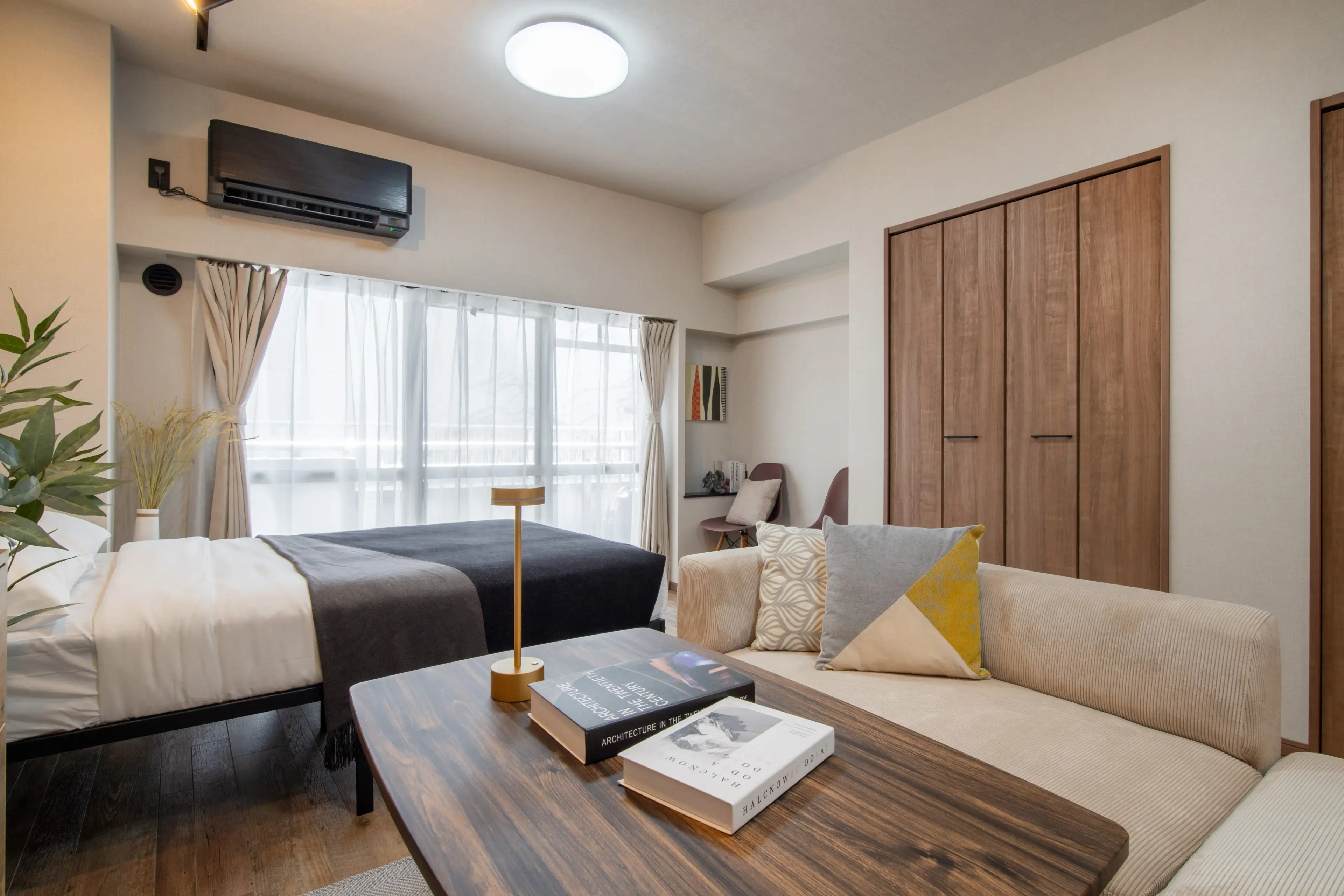
Fully Furnished Apartment 20 Min to Takadanobaba
Iidabashi High Town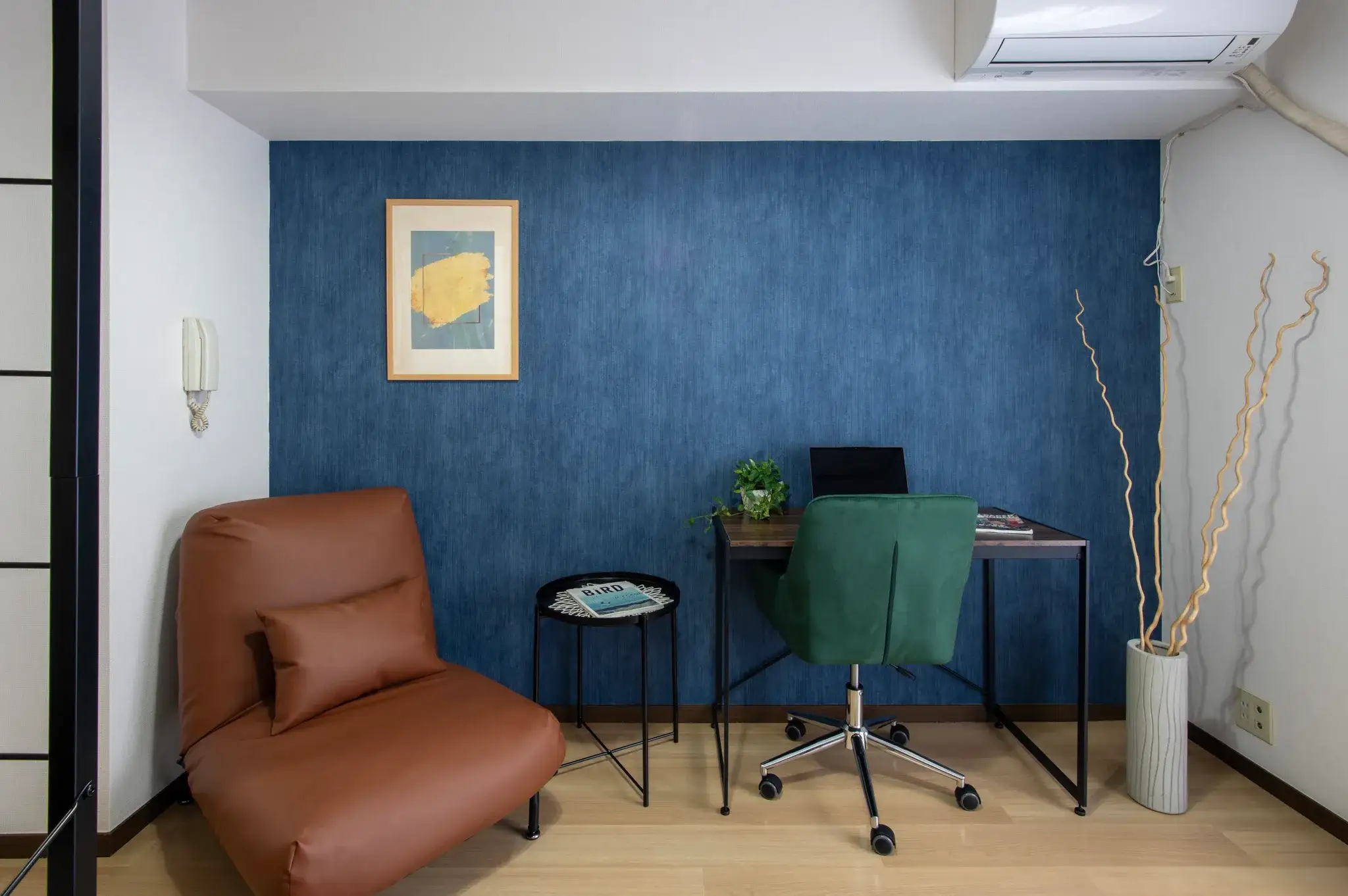 Possiblement à partir du Dec 3, 2026
Appartement meublé à Meguro
ML Meguro — 208
 Disponible maintenant
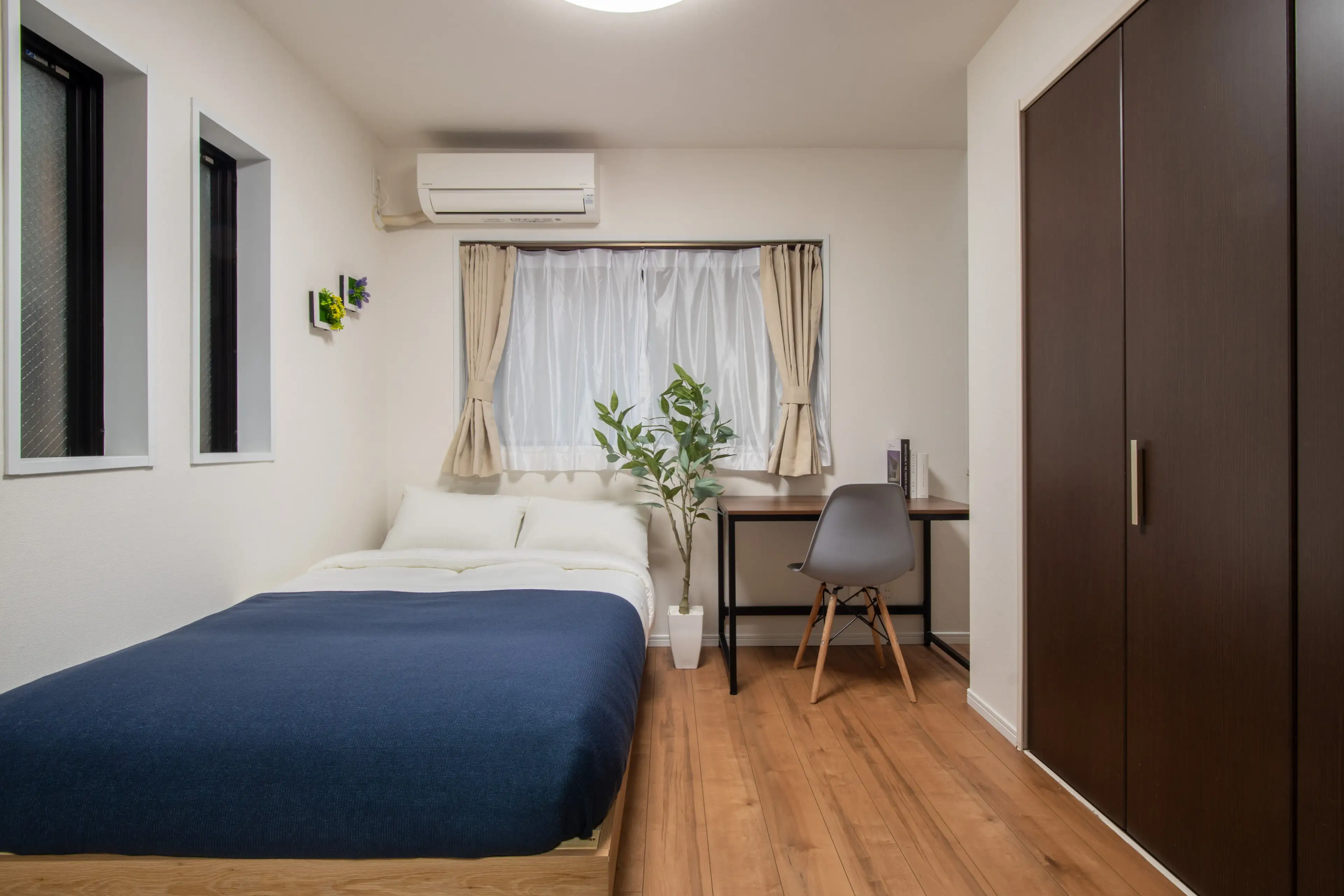
Appartement meublé à Shinagawa
Beverly Homes Nishikoyama — 103