
Appartamenti a Tokyo per Stranieri: Come Affittare Senza Parlare Giapponese

Perché Trovare Appartamenti per Stranieri a Tokyo È Più Difficile Di Quanto Dovrebbe Essere
Tokyo è una delle città più affascinanti al mondo in cui vivere — ma trovare appartamenti per stranieri a Tokyo può sembrare come correre un percorso ad ostacoli con gli occhi bendati. Il mercato immobiliare giapponese tradizionale semplicemente non è stato progettato tenendo conto dei residenti internazionali, e molti proprietari rimangono ancora riluttanti a affittare a inquilini non giapponesi.
Le ragioni sono in parte pratiche e in parte culturali. Molti proprietari si preoccupano delle barriere linguistiche che potrebbero portare a fraintendimenti riguardo alle regole — rumore, smaltimento dei rifiuti, politiche sui visitatori. Altri hanno avuto brutte esperienze in passato, oppure semplicemente preferiscono inquilini in grado di comunicare fluidamente in giapponese.
Poi c'è la questione della documentazione. I contratti di locazione standard in Giappone sono lunghi 10-20 pagine di denso testo legale giapponese. Senza accanto a te qualcuno che legga correntemente la lingua, firmare un contratto è sostanzialmente un salto nel buio. Aggiungici il tradizionale requisito di un hoshounin (garante personale — un cittadino giapponese che controfirma il contratto), e l'intero processo diventa una sfida seria per i nuovi arrivati.
Ma ecco la buona notizia: il mercato è cambiato notevolmente nell'ultimo decennio. Un numero crescente di operatori che parlano inglese, società accoglienti nei confronti degli stranieri e piattaforme online hanno reso l'affitto a Tokyo genuinamente accessibile — persino se arrivi senza conoscere una parola di giapponese.

Percorsi in Lingua Inglese: Le Tue Migliori Opzioni per un Appartamento a Tokyo Senza Giapponese
Se stai cercando un appartamento a Tokyo senza conoscere il giapponese, la mossa più intelligente è saltare del tutto il percorso tradizionale dell'agente immobiliare — almeno inizialmente. Ecco i tre percorsi principali che funzionano davvero per gli stranieri.
1. Appartamenti Arredati Attraverso Operatori che Parlano Inglese
Le aziende specializzate in alloggi per residenti internazionali gestiscono tutto in inglese — dalla ricerca iniziale alla firma del contratto. I contratti sono bilingui o completamente in inglese, e lo staff può rispondere alle tue domande via email, WhatsApp o telefono nella tua lingua.
Questi appartamenti solitamente vengono arredati completamente con letto, scrivania, elettrodomestici da cucina e lavatrice. Pagherai un affitto mensile leggermente più alto rispetto a un equivalente non arredato, ma risparmi enormemente sui costi di allestimento — niente acquisto di mobili, niente tasse di smaltimento quando te ne andrai.
2. Sharehouses
Gli sharehouses sono camere private all'interno di una proprietà più grande condivisa — pensa a una convivenza con un tocco giapponese. Rappresentano il punto di ingresso più accessibile per i nuovi arrivati perché i requisiti sono minimi: di solito solo il tuo passaporto e l'affitto del primo mese. Niente garante, niente cauzione, niente commissione d'agenzia.
Molti sharehouses a Tokyo sono specificamente progettati per residenti internazionali e attirano un mix di espatriati e inquilini giapponesi che apprezzano un ambiente multiculturale. I costi variano tipicamente da ¥40.000 a ¥80.000 al mese, tutto compreso, coprendo utenze e Wi-Fi.
3. Agenti Immobiliari Amichevoli con l'Inglese
Se desideri un appartamento standard non arredato ed sei disposto a fare un po' più di lavoro, alcune agenzie a Tokyo si specializzano in clienti stranieri. Sakura House, Borderless House e Ken Corporation sono nomi ben noti. Per proprietà di fascia alta, gli agenti nei quartieri di Minato e Shibuya spesso hanno staff che parla inglese.
Consiglio Utile: Siti come GaijinPot Apartments, Suumo (usa Google Translate) e portali in inglese collegati a REINS ti permettono di sfogliare gli annunci online prima di impegnarti a visitare un'agenzia. Filtra per "accetta stranieri" (外国人可) per risparmiare tempo.
Documenti che gli Stranieri Hanno Effettivamente Bisogno per Affittare a Tokyo
Una delle sorprese più grandi per i nuovi arrivati è quanto lavoro burocratico richiedono i proprietari giapponesi — anche per un semplice appartamento. Preparare tutto in anticipo accelera drammaticamente la tua candidatura.
Per una locazione standard attraverso un'agenzia tradizionale, preparati a fornire:
- Passaporto — una copia della pagina con la tua foto
- Carta di Residenza (在留カード, Zairyu Card) — rilasciata all'aeroporto al tuo arrivo con un visto a lungo termine
- Certificato di Registrazione Straniera o 住民票 (Juuminhyo) — il tuo registro ufficiale di residenza, ottenuto presso l'ufficio del tuo distretto locale dopo aver registrato il tuo indirizzo
- Prova di reddito — buste paga recenti, un contratto di lavoro o una lettera del tuo datore di lavoro; i candidati autonomi di solito hanno bisogno della dichiarazione dei redditi dell'ultimo anno
- Sigillo Personale (印鑑, Inkan) — un timbro personale usato al posto della firma nei contratti; gli stranieri possono usare un sigillo registrato semplice oppure talvolta solo una firma
- Contatto di emergenza in Giappone — molti proprietari richiedono una persona di contatto locale, anche se non un garante formale
Per sharehouses e appartamenti arredati offerti da operatori che parlano inglese, i requisiti sono solitamente molto più leggeri — spesso solo il tuo passaporto, visto e prova di reddito o iscrizione.

Garante e Opzioni Senza Garante Spiegate
Il sistema tradizionale di affitto giapponese richiedeva un garante personale — un cittadino giapponese che avrebbe assunto la responsabilità finanziaria se avessi smesso di pagare l'affitto o avessi causato danni. Per gli stranieri senza famiglia o connessioni a lungo termine in Giappone, questo era spesso un requisito impossibile.
Oggi, il panorama è cambiato considerevolmente.
Società di Garanzia Affitti (家賃保証会社)
La maggior parte delle locazioni standard ora accettano — o addirittura preferiscono — una società di garanzia affitti al posto di un garante personale. Pagherai una commissione iniziale (tipicamente dal 50-100% dell'affitto mensile) e una commissione di rinnovo annuale (¥10.000-¥20.000). La società di garanzia quindi agisce da tuo garante con il proprietario.
Le principali società di garanzia includono ORIX Rentec, Casa e Saison Guarantee. Il tuo agente immobiliare tipicamente ne consiglierà una — è in gran parte una formalità una volta approvato.
Opzioni Senza Garante
Molti appartamenti arredati e sharehouses commercializzati come appartamenti a Tokyo che parlano inglese operano secondo il loro sistema di garanzia, non richiedendo alcun garante esterno. Questo è uno dei più forti vantaggi pratici di affidarsi a un operatore specializzato piuttosto che al mercato tradizionale.
"La maggiore barriera per gli stranieri non è la lingua — è non sapere quali porte sono effettivamente aperte per loro. Una volta che trovi il percorso giusto, affittare a Tokyo è semplice."
Insidie Comuni nelle Candidature — e Come Evitarle
Anche quando trovi una locazione accogliente per stranieri a Tokyo, il processo di candidatura ha delle trappole. Ecco gli errori più comuni e come evitarli.
Fare una Candidatura Prima di Avere la Tua Carta di Residenza
I detentori di visto turistico non possono firmare un contratto di residenza standard in Giappone — i proprietari richiedono prova dello status di residenza legale. Se ti stai trasferendo a Tokyo per lavoro, aspetta di avere la tua Carta di Residenza in mano (la riceverai all'aeroporto) prima di iniziare serie candidature.
Sottovalutare i Costi Iniziali
Le locazioni giapponesi tradizionali comportano costi iniziali che sorprendono la maggior parte dei nuovi arrivati. Una tipica ripartizione dei costi di trasferimento assomiglia a questo:
- Shikikin (敷金) — Deposito Cauzionale: 1-2 mesi di affitto
- Reikin (礼金) — "Denaro della Chiave" / Regalo al proprietario: 0-2 mesi di affitto (sempre più raro ma esiste ancora)
- Commissione d'Agenzia (仲介手数料): 1 mese di affitto + tasse
- Affitto del primo mese (pro-rata o intero)
- Commissione della società di garanzia: 0,5-1 mese di affitto
- Assicurazione Antincendio: approssimativamente ¥15.000-¥20.000
Su un appartamento da ¥100.000 al mese, potresti facilmente pagare ¥400.000-¥600.000 prima di trascorrere una notte lì. Gli appartamenti arredati e gli sharehouses da operatori specializzati spesso eliminano completamente reikin e commissioni d'agenzia.
Non Leggere Attentamente il Contratto
Anche se stai usando un agente che parla inglese, chiedi un contratto bilingue o un riassunto scritto in inglese delle clausole chiave — specialmente riguardanti le penalità di rescissione anticipata, le commissioni di rinnovo e cosa viene considerato "danno" al momento dello sfollamento. Molti stranieri rimangono sorpresi dalle spese di ripristino quando se ne vanno.
Nota Bene: In Giappone, gli inquilini sono spesso responsabili del ripristino dell'appartamento alle sue condizioni originali (原状回復, Genjo Kaifuku). Evita di appendere quadri con chiodi grandi, e documenta qualsiasi danno preesistente con foto il giorno del trasferimento.
Essenziali per il Trasferimento: Servizi Pubblici, Wi-Fi e Registrazione dei Residenti
Una volta che il contratto è firmato, alcuni compiti importanti devono accadere entro la prima o seconda settimana dal trasferimento.
Attivazione dei Servizi Pubblici
In un appartamento standard non arredato, dovrai attivare separatamente elettricità, gas e acqua. Elettricità e acqua spesso possono essere attivate online con qualche supporto in inglese. Il gas, tuttavia, richiede un appuntamento di ispezione in persona — la compagnia del gas deve venire nel tuo appartamento e attivare l'alimentazione in sicurezza. Pianifica una mezza giornata a casa per questa visita.
I principali fornitori come Tokyo Gas e Tokyo Electric Power Company (TEPCO) ora hanno linee di supporto in inglese e moduli online. Chiama 0120-057-400 per il supporto in inglese TEPCO.
Ottenere Wi-Fi
La maggior parte degli appartamenti arredati e degli sharehouses includono Wi-Fi nell'affitto — una cosa in meno di cui preoccuparsi. Per gli appartamenti non arredati, dovrai organizzare il tuo. Le opzioni includono:
- Pocket Wi-Fi (router in affitto): Veloce da configurare, nessun contratto fisso — buono per i primi 1-3 mesi. Costi intorno a ¥3.000-¥5.000 al mese.
- Fibra domestica (光回線, hikari kaisen): Più veloce e affidabile; richiede appuntamento per l'installazione e un contratto di 2 anni. I fornitori includono NTT Docomo Home 5G, SoftBank Hikari e NURO Hikari.
- Router domestico basato su SIM: Via di mezzo — nessuna installazione necessaria, contratti mese per mese disponibili.
Registrazione dei Residenti (住民登録)
Questo è obbligatorio e importante. Entro 14 giorni dal trasferimento al tuo nuovo indirizzo, devi visitare l'ufficio del tuo distretto locale (区役所, kuyakusho) e registrare il tuo indirizzo. Porta la tua Carta di Residenza e il tuo contratto di locazione.
Una volta registrato, la tua Carta di Residenza verrà aggiornata con il tuo nuovo indirizzo. Questa registrazione sblocca l'accesso all'assicurazione sanitaria nazionale, una carta My Number (la carta d'identità nazionale del Giappone) e i servizi pubblici locali. Molti distretti — inclusi Shinjuku, Shibuya e Minato — hanno sportelli che parlano inglese o servizi di interpretazione disponibili.

Pronto a Fare di Tokyo la Tua Casa?
Affittare a Tokyo come straniero è genuinamente gestibile una volta che conosci quali percorsi intraprendere, quali documenti preparare e quali costi aspettarti. La chiave è scegliere il punto di ingresso giusto per la tua situazione — che sia un appartamento completo attraverso un agente che parla inglese, oppure iniziare in uno sharehouse mentre ti sistemi.
A Modern Living Tokyo, abbiamo progettato i nostri appartamenti arredati e sharehouses specificamente per residenti internazionali. Niente giapponese richiesto — l'intero nostro processo, dalla ricerca al trasferimento, è gestito in inglese. Le nostre proprietà vengono completamente arredate, pronte per Wi-Fi e senza denaro della chiave o commissioni d'agenzia, così puoi concentrarti sull'esplorare la tua nuova città piuttosto che soffocare sotto la carta.
Sfoglia la nostra disponibilità attuale e contatta il nostro team che parla inglese — siamo qui per rendere il tuo trasferimento a Tokyo il più agevole possibile.
Modern Living Tokyo
Articoli Correlati
 Moving Guide
Appartamenti Arredati a Lungo Termine a Tokyo: Soggiorni di 6+ Mesi Senza Agenzia
Vuoi restare a Tokyo per 6 mesi o più? Scopri come funzionano gli appartamenti arredati a lungo termine, quanto costano e come negoziare le migliori condizioni — direttamente con Modern Living Tokyo, senza intermediari.
 Modern Living TokyoLeggi di più →
 Moving Guide
Affittare a Tokyo senza agenzia: come risparmiare noleggiando direttamente
Evita l'intermediario e risparmia ¥100.000–¥350.000 sul tuo trasferimento a Tokyo. Scopri come gli appartamenti arredati e le share house ti permettono di affittare in diretta, senza commissioni di intermediazione...
Modern Living TokyoLeggi di più → Moving Guide
Working Holiday a Tokyo: Appartamenti economici e case condivise per i tuoi primi 6 mesi
Tutto ciò che i titolari di visto Working Holiday devono sapere sulla ricerca di alloggio a Tokyo — dai budget realistici alle migliori case condivise, passando per appartamenti arredati e i dettagli del cambio di visto.
Modern Living TokyoLeggi di più →Immobili in evidenza
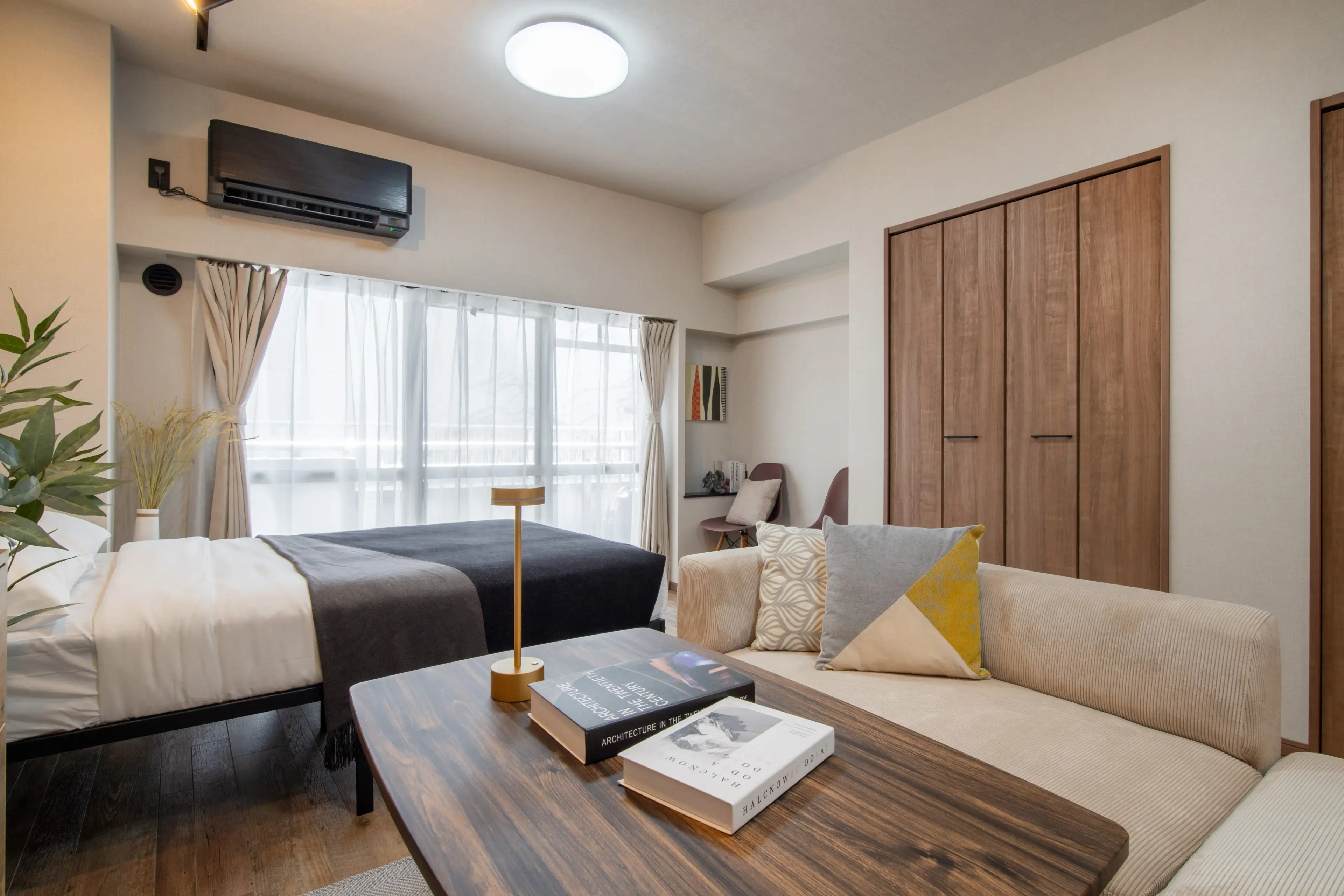 Occupato
Fully Furnished Apartment 20 Min to Takadanobaba
Iidabashi High Town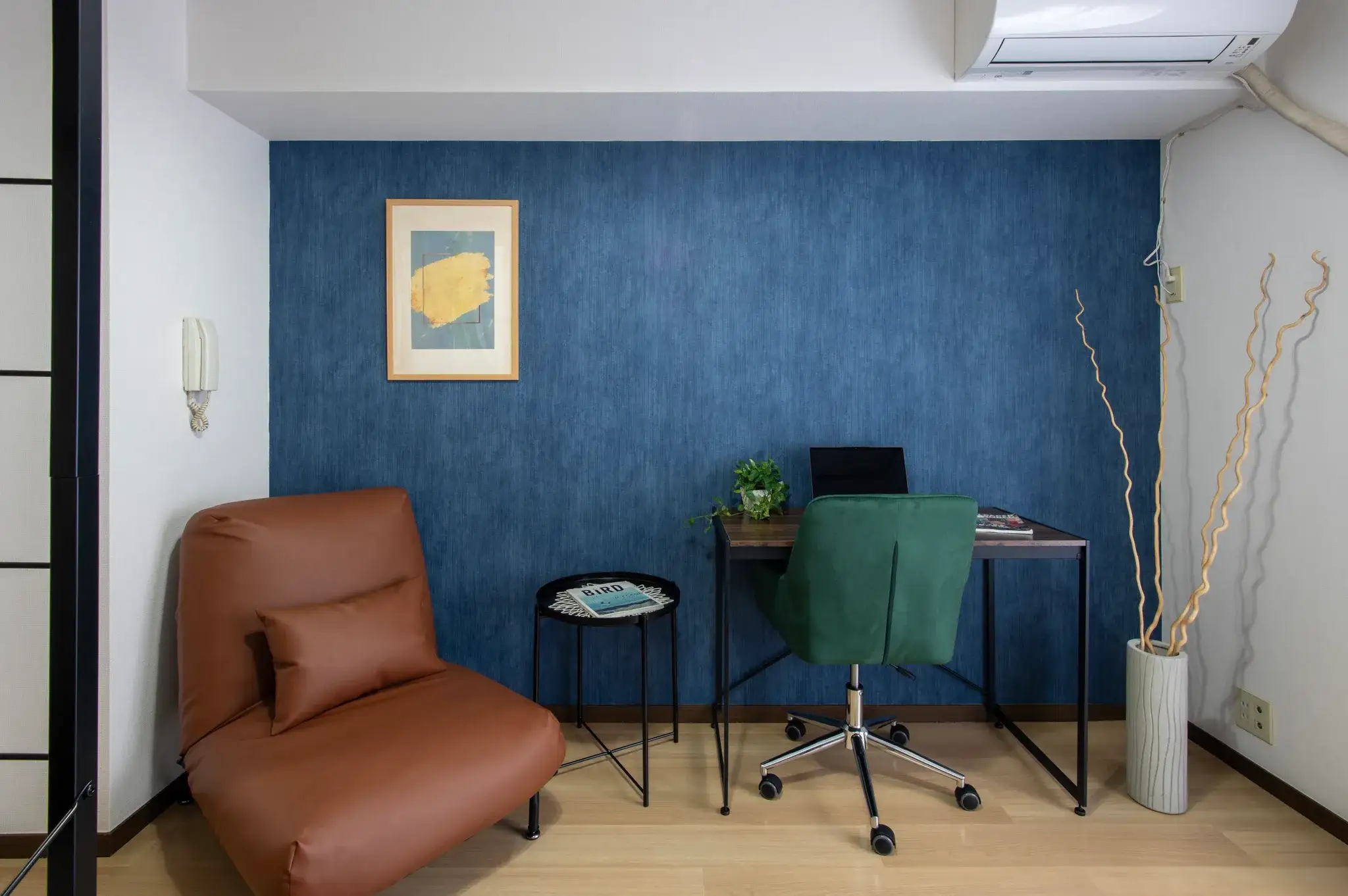 Possibilmente dal Dec 3, 2026
Appartamento arredato a Meguro
ML Meguro — 208
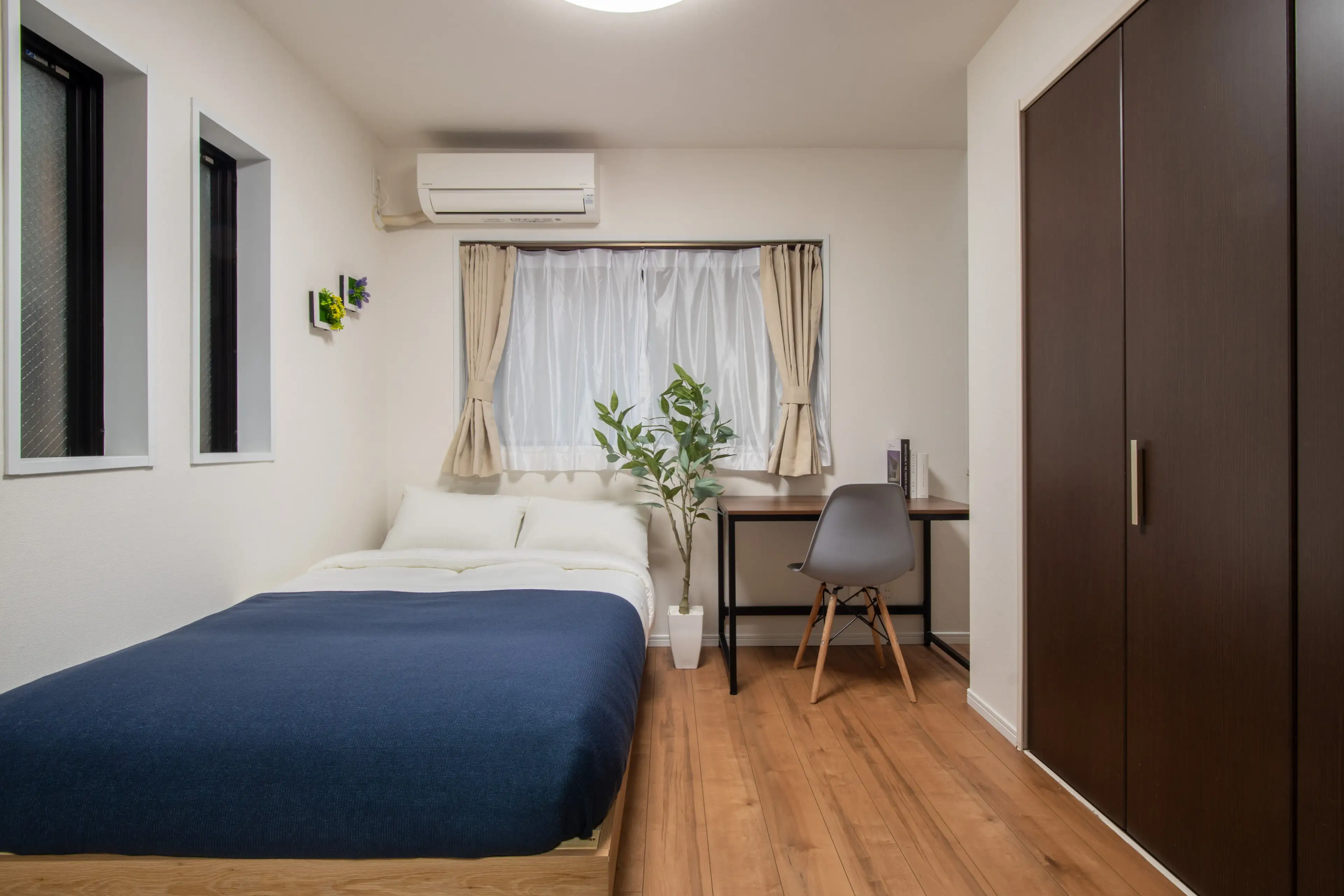 Disponibile Ora
Appartamento arredato a Shinagawa
Beverly Homes Nishikoyama — 103