
Scuole internazionali a Tokyo: la guida completa per i genitori

Navigating International Schools in Tokyo: What Every Expat Parent Needs to Know
Finding the right school is often the very first thing parents research when planning a move abroad — and for good reason. International schools in Tokyo range from small, community-focused campuses to large, well-resourced institutions with waiting lists years long. Whether you're arriving on a corporate package or moving independently, this guide will walk you through your real options, what they cost, where they're located, and how to plan your housing around your child's education.

Types of International Schools in Tokyo: Curriculum and Language
Tokyo has a surprisingly wide variety of international schools, each following different curricula and teaching languages. Understanding the differences is the first step to narrowing down your options.
British Curriculum Schools
Schools like British School in Tokyo (BST), with campuses in Shinjuku and Shibuya, follow the English National Curriculum and offer GCSEs and A-Levels. They're a natural fit for families from the UK, Commonwealth countries, or anyone planning to return to a British-style education system.
American Curriculum Schools
American School in Japan (ASIJ) in Chofu is one of the most established, founded in 1902. It follows a US-style curriculum with Advanced Placement (AP) courses and is fully accredited. Christian Academy in Japan (CAJ) in Higashi-Kurume is another well-regarded American-curriculum option, often chosen by missionary and non-profit families for its lower fees.
International Baccalaureate (IB) Schools
Tokyo International School (TIS) in Minami-Azabu and Nishimachi International School in Motoazabu offer IB programmes, which are highly regarded for university applications worldwide. IB schools appeal to genuinely internationally mobile families who may move countries again before their children finish school.
French, German, and Other National Schools
Tokyo also has the Lycée Franco-Japonais de Tokyo in Naka-Meguro (French curriculum) and the Deutsche Schule Tokyo Yokohama (German curriculum) for families needing continuity with their home country's education system. Korean, Chinese, and several other national community schools also exist.
Japanese International Schools
K. International School Tokyo (KIST) in Koto-ku is an IB school with a more affordable fee structure than many Western-run institutions, making it popular with families who want an international education without the top-tier price tag.
What International Schools in Tokyo Cost — and How Admissions Work
Let's be honest: international school fees in Tokyo are significant. Here's a realistic picture of what to budget.
- Application/registration fee: ¥30,000–¥150,000 (one-time, non-refundable)
- Capital levy / facility fee: ¥200,000–¥1,500,000 (one-time, varies widely)
- Annual tuition: ¥1,500,000–¥3,500,000 per year, depending on school and grade
- School bus / transport: ¥200,000–¥500,000 per year if applicable
- Uniforms, lunches, activities: ¥100,000–¥300,000 per year
Many corporate expat packages include school fee allowances — if yours does, confirm the exact cap before choosing a school, as some top schools exceed standard allowances.
How Admissions Work
Most schools accept applications year-round but have priority deadlines in November–February for the following September intake (August–September is when most international schools start their academic year). Some schools, like ASIJ, have waiting lists that can stretch 12–18 months for popular grade levels.
Apply to two or three schools simultaneously. Required documents typically include previous school reports (translated into English if needed), a student writing sample, teacher recommendations, and proof of residence in Japan or an upcoming visa. Some schools require an in-person or online interview.
Pro Tip: Start the application process before you arrive in Tokyo. Many schools allow you to apply from overseas, and getting on a waiting list early is far better than scrambling for a spot after you've already moved.
Where International Schools Cluster in Tokyo
International schools are not evenly spread across Tokyo. They tend to cluster in areas with large expat populations, and knowing this geography will directly shape where you look for housing.

Minato-ku (Hiroo, Azabu, Roppongi)
This is arguably the international school heartland of Tokyo. Nishimachi International School is in Motoazabu, Tokyo International School is in Minami-Azabu, and the French Lycée is a short distance away. Hiroo is packed with embassies, international supermarkets, and a long-established expat community. Rents are high — expect ¥200,000+ per month for a family-sized apartment — but the convenience is unmatched.
Shibuya-ku (Daikanyama, Ebisu, Nakameguro)
The British School in Tokyo's Shibuya campus sits here, and the area is well-connected by train. It's slightly more affordable than the Azabu area while still feeling very livable and international.
Shinjuku-ku
The BST Shinjuku campus draws families to this area. Shinjuku has excellent transport links and a wide range of housing, from compact apartments to larger family homes further west toward Suginami-ku.
Western Tokyo (Chofu, Fuchu, Tama Area)
ASIJ's main campus is in Chofu, which makes western Tokyo suburbs like Chofu, Fuchu, Musashino, and Kichijoji popular with ASIJ families. Rents here are significantly lower than central Tokyo, and the area is greener and quieter — many families with children genuinely prefer it.
Northern Tokyo (Higashi-Kurume, Nerima)
CAJ is located in Higashi-Kurume, making the Seibu Ikebukuro and Seibu Shinjuku line areas relevant for families choosing that school. These are genuinely suburban neighborhoods with a relaxed pace of life.
Choosing a Home Based on School Commute
In Tokyo, commute time is everything. The good news: the train network is so efficient that a 30-minute door-to-door commute is very manageable. The challenge is that many international schools don't have extensive bus networks, so you'll often be looking at a combination of train and walking.
In Tokyo, living 30 minutes from your child's school by train is considered close — plan your housing search around the train line, not just the neighborhood name.
Here are practical rules of thumb:
- Aim for under 30 minutes door-to-door for elementary-age children walking or taking public transport independently.
- Check the school bus route first. If the school offers a bus, get the stop list and plan around it — it can open up more affordable neighborhoods.
- Use Google Maps in transit mode with a 8:00 AM departure to check realistic rush-hour commute times, not off-peak estimates.
- Factor in transfers. One smooth train line beats two transfers, especially for younger children.
Families staying in furnished apartments or sharehouses while they search for long-term housing often find it helpful to choose temporary accommodation near their target school, so they can test the commute before committing to a lease. Modern Living Tokyo has furnished apartments in several well-connected central neighborhoods — a smart base while you get your bearings.
Public School as an Alternative: Is It Worth Considering?
Japan's public school system is excellent in terms of discipline, safety, and academics. All children residing in Japan — including foreigners — have the legal right to attend local public schools free of charge.
This option works best for:
- Families planning to stay in Japan for three or more years
- Children who are young enough to absorb Japanese quickly (typically under age 10)
- Families with a genuine interest in deep cultural integration
- Those with limited school fee budgets
Many Tokyo ward offices have a Japanese Language Classroom (日本語学級) program that provides transitional Japanese support for foreign children. Contact your local ward office's education division (kyoiku iinkai) to find the nearest school and enroll. You'll need your residence card and health records.
Good to Know: Japanese public schools run on an April–March academic year, very different from the September intake of most international schools. If you're arriving mid-year, ask the ward office about enrolling at any point — public schools typically accept new students throughout the year.
The main challenge is language. Without Japanese support at home, the first six months can be hard on children. However, many expat families report that children who attended Japanese public school came away with native-level Japanese fluency — a genuinely life-changing outcome.
Timing Your Move Around the School Year
Timing matters enormously when moving with school-age children. Here's how the two systems compare:

International School Calendar
- New school year: Late August or early September
- Best time to arrive: June–August, giving you time to secure housing, complete enrollment, and settle before term starts
- Mid-year entry: January (after winter break) is the next most natural entry point
Japanese Public School Calendar
- New school year: Early April (coincides with cherry blossom season)
- Best time to arrive: February–March to enroll before the April start
- Mid-year entry: Schools accept students year-round, but starting in April with peers is socially easier
If your arrival timing is flexible, June–July is the sweet spot for international school families. You'll have time to visit schools in person, sort your residence registration, and let your children have a short summer break before their first day in a new country.
Building Your Tokyo Life Around the Right School
Choosing an international school in Tokyo is a major decision that ripples outward into every other part of your relocation — your neighborhood, your commute, your budget, and your family's daily rhythm. Start your research early, visit campuses when possible, and don't underestimate the value of talking to other expat parents already in the system. Facebook groups like Expats in Tokyo and school-specific parent communities are invaluable sources of real, current information.
If you're in the early stages of your move and need a comfortable, flexible base while you sort out schools and long-term housing, Modern Living Tokyo's furnished apartments and sharehouses are designed exactly for that transition period. With no need to buy furniture and flexible lease terms, you can focus on what matters most — getting your family settled and your children into the right school.
Modern Living Tokyo
Articoli Correlati
 Moving Guide
Come cercare casa a Tokyo: la guida strategica per chi arriva per la prima volta (2026)
Una guida pratica e passo dopo passo per trovare l'appartamento perfetto a Tokyo da straniero — con consigli su budget, linee ferroviarie, costi iniziali e i metodi più veloci per...
 Modern Living TokyoLeggi di più →
 Moving Guide
Visto Digital Nomad Giappone: Guida alla Vita a Tokyo 2026
Tutto quello che devi sapere sul visto digital nomad giapponese nel 2026 — requisiti di eligibilità, servizi bancari, i migliori quartieri di Tokyo e come trovare alloggio...
Modern Living TokyoLeggi di più → Moving Guide
Cos'è una Monthly Mansion a Tokyo? Guida Completa per Principianti
Una guida esaustiva alle monthly mansion di Tokyo: scopri cosa sono, quanto costano e se rappresentano la soluzione ideale per il tuo soggiorno in Giappone.
Modern Living TokyoLeggi di più →Immobili in evidenza
 Occupato
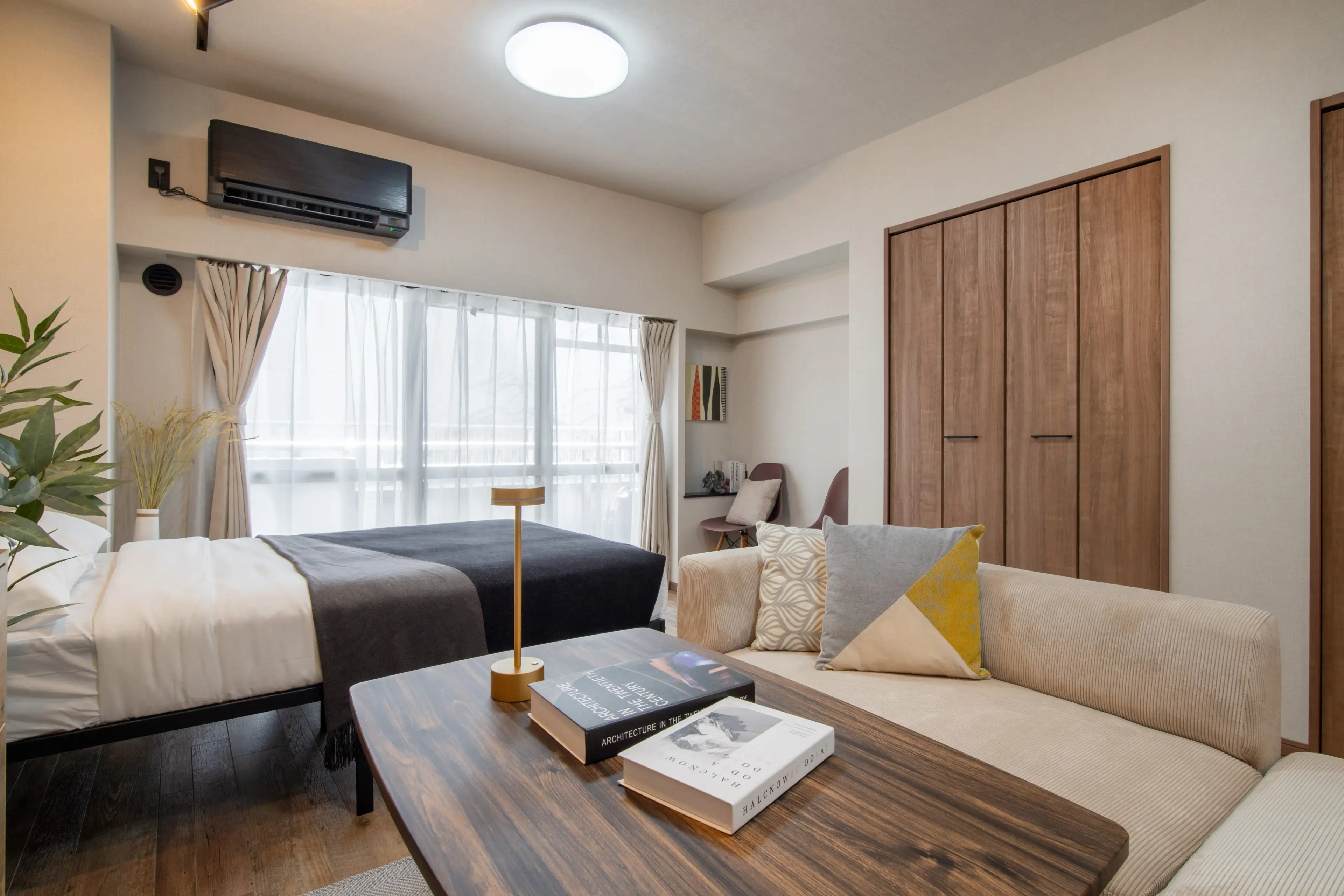
Fully Furnished Apartment 20 Min to Takadanobaba
Iidabashi High Town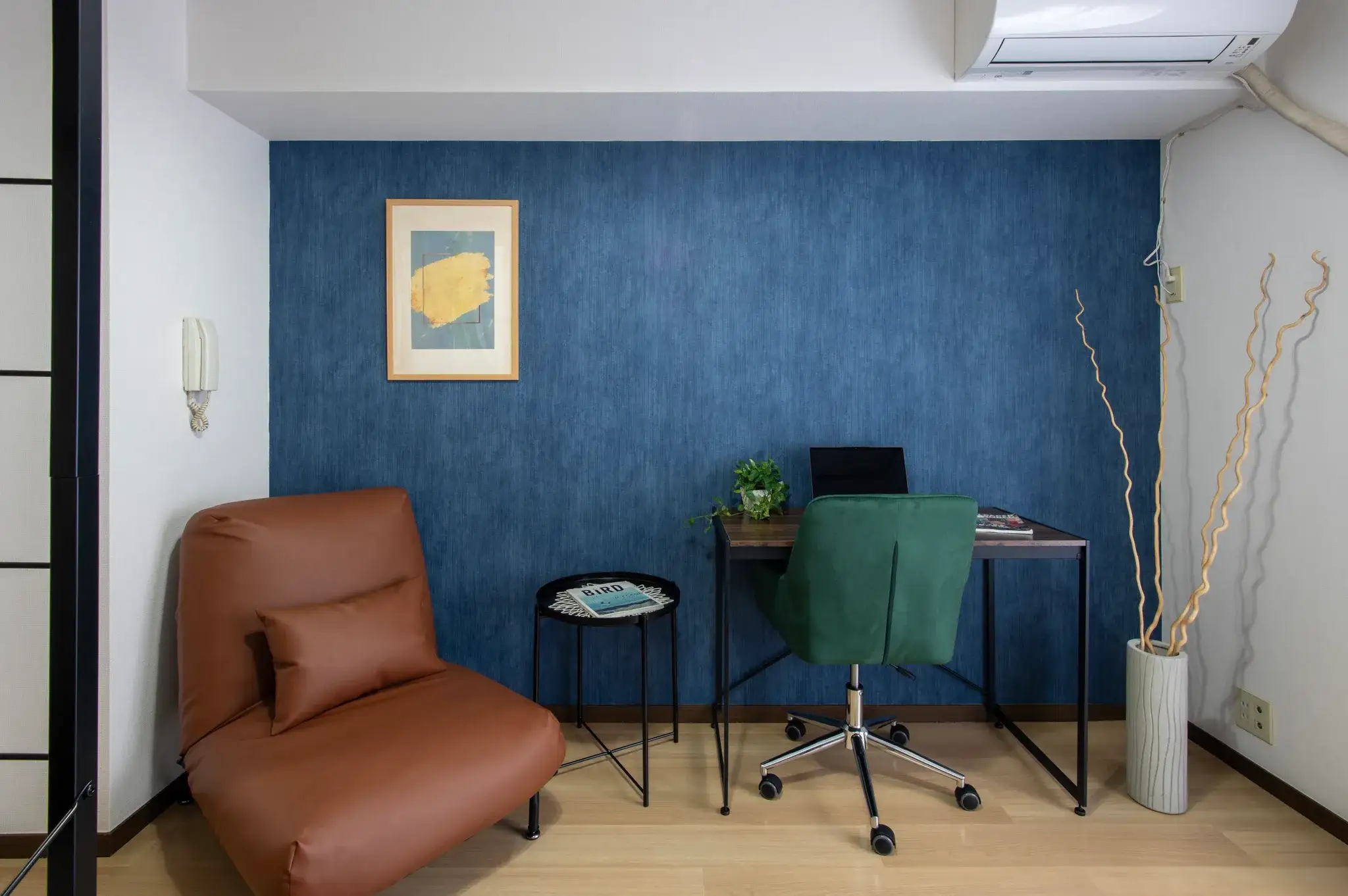 Disponibile dal Dec 7, 2026
Appartamento arredato a Meguro
ML Meguro — 208
 Possibilmente dal Feb 22, 2027
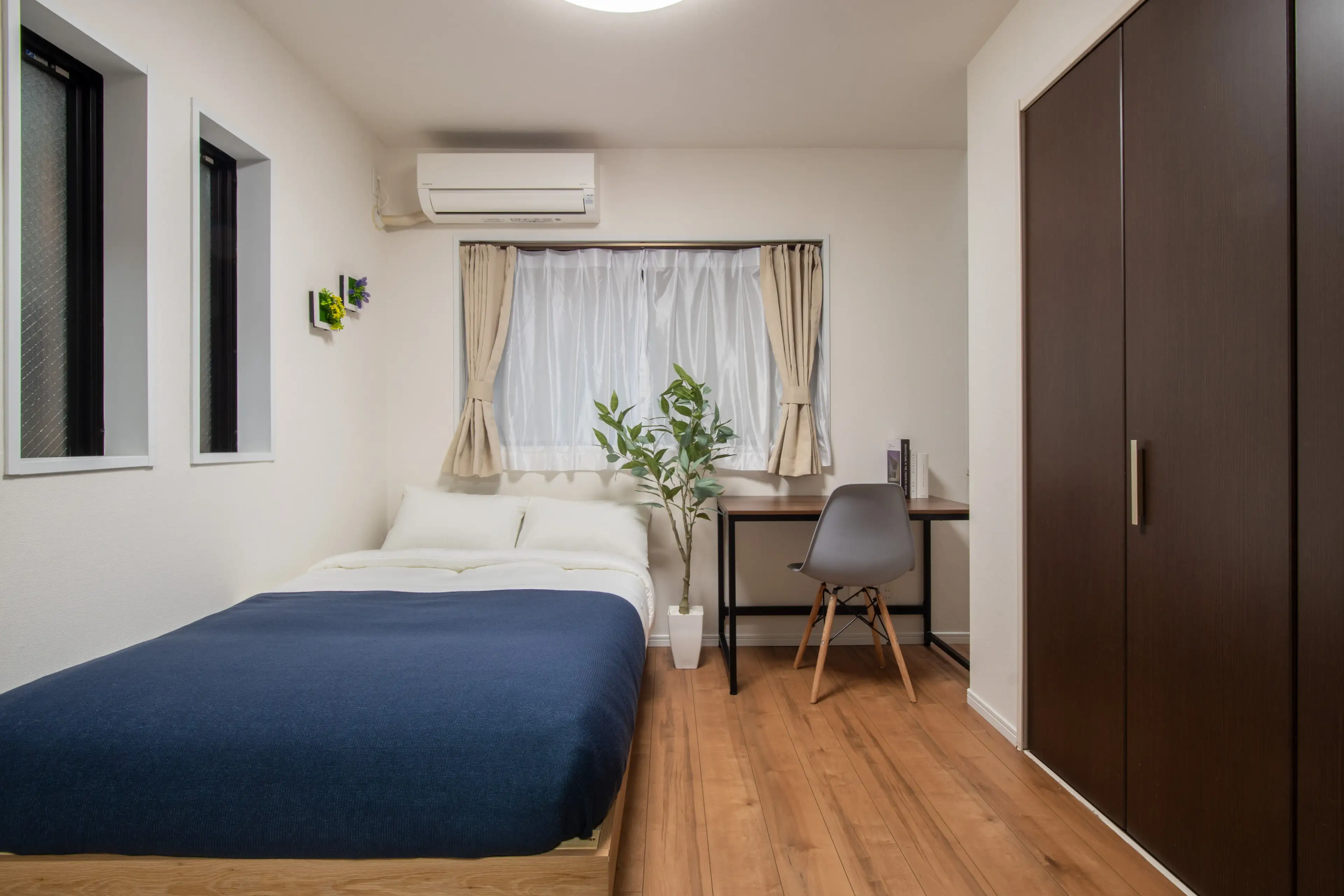
Appartamento arredato a Shinagawa
Beverly Homes Nishikoyama — 103