
Trasferirsi a Tokyo da musicista: concerti, attrezzature e comunità musicale

Is Tokyo a Realistic Base for Musicians?
If you're a musician tokyo foreigner wondering whether Japan's capital can support a real music career, the short answer is yes — but it takes patience, strategy, and a willingness to learn the local music culture. Tokyo has one of the most active live music scenes in the world, with hundreds of live houses (Japan's term for small music venues), an obsessive gear culture, and audiences that genuinely show up and pay attention.
The longer answer is that Tokyo operates differently from cities like London, Berlin, or New York. The industry has its own rules, language barriers are real, and the path from newcomer to working musician is rarely linear. But for those who commit to it, Tokyo can be an incredibly rewarding place to build a music life.

Finding Gigs & Bandmates as a Musician in Tokyo
Understanding the Live House System
Live houses are the heartbeat of Tokyo's music scene. Venues like Shimokitazawa Shelter, Koenji High, and Shibuya O-East run shows almost every night. Shimokitazawa alone — a neighbourhood often called Tokyo's Brooklyn — has over a dozen live music venues within a short walk of each other.
However, be aware of the noruma system. Many live houses require bands to sell a set number of tickets (usually 5–15 tickets at around ¥2,000–¥3,000 each) before they see any payment. It's a financial risk for new acts, but it's also the standard way to build a local following. Accept it as part of the learning curve.
Where to Find Bandmates
Finding musicians to play with is very doable, even with limited Japanese. Here are the best channels:
- Muzician.com — Japan's most popular musician-matching site. Has English support and filters by genre, instrument, and location.
- Facebook Groups — "Tokyo Expat Musicians," "Bands in Tokyo," and similar groups are active communities where foreigners regularly post for collaborators.
- Craigslist Tokyo — Still surprisingly active for musician ads, especially in the English-speaking community.
- Studio notice boards — Rehearsal studios in Shimokitazawa, Nakameguro, and Koenji often have physical boards covered in "seeking drummer" or "looking for vocalist" flyers.
- Showing up — Attending gigs, open mics, and jam sessions is still the most effective way to meet people. Venues like Cafe & Bar Friends in Shinjuku run regular open mic nights.
Pro Tip: Learning even basic Japanese — enough to introduce yourself and talk about your musical influences — will dramatically open doors. Japanese musicians deeply appreciate the effort, and it signals that you're committed to the scene, not just passing through.
Studios, Gear Districts & Rehearsal Spaces
Ochanomizu: Tokyo's Music Gear Mecca
If you play any kind of instrument, a trip to Ochanomizu is non-negotiable. This neighbourhood in central Tokyo is home to the highest concentration of music shops in Japan — possibly in all of Asia. A single block on the main guitar strip contains flagship stores for ESP Guitars, Big Boss, Shimamura Music, and dozens of smaller specialty dealers.
Guitar players will find walls of vintage Fenders, custom shop Gibsons, and Japanese-made instruments that are exceptional value for money. Prices are competitive, and the staff knowledge is extraordinary. Many shop staff speak enough English to help you find what you need.
For specific gear categories, here's where to look:
- Guitars & Basses: Ochanomizu's "Guitar Street"
- Drums & Percussion: Ikebukuro's Ikebe Gakki has an excellent drum floor
- Electronic music / DJ gear: Sofmap and Yodobashi Camera in Akihabara
- Second-hand & vintage: Hard Off chains across the city — the Ochanomizu and Nakameguro branches are particularly strong
- Recording equipment: Sound House (online, Japan-based) offers competitive prices on studio gear

Rehearsal Studios in Tokyo
Rehearsal studios (rihāsaru sutajio) are everywhere in Tokyo and surprisingly affordable. Most operate on a per-hour, per-room basis. Expect to pay:
- ¥500–¥800 per person per hour during off-peak hours (daytime, weekdays)
- ¥800–¥1,200 per person per hour during evenings and weekends
Chains like Sound Studio Noah and Studio Dom have multiple locations across Tokyo and offer online booking in Japanese. Equipment — drum kits, bass amps, guitar amps — is always included. You just bring your instrument and cables.
Visa & Income Realities for Foreign Musicians in Tokyo
This is the part nobody wants to talk about, but it's critical. Playing music in Tokyo as a foreigner requires a visa that permits work. Here's the honest breakdown:
Visa Options
- Artist Visa (Geijutsu): For those earning income from creative work. Requires proof of accomplishments and is difficult to obtain without an established track record.
- Entertainment Visa (Geinōjin): For performers hired by Japanese venues or agencies. Typically requires a Japanese sponsor company.
- Working Holiday Visa: Available to citizens of Australia, New Zealand, Canada, Ireland, UK, and others (check current eligibility). Allows you to work, including music gigs, for up to one year. This is the most accessible entry point for most foreign musicians.
- Highly Skilled Professional or Specified Skilled Worker: Less directly applicable to musicians, but worth researching if you have hybrid skills.
Many foreign musicians start on a Working Holiday, use the year to build connections and a local reputation, then explore longer-term paths. Teaching music — English conversation schools also value music skills — is a common way to pay the bills while you build your scene.
Heads Up: Playing paid gigs in Japan on a tourist visa is illegal and can result in deportation and a ban from re-entry. Always check your visa conditions before accepting money for a performance.
Tokyo rewards musicians who treat it seriously — not as a brief adventure, but as a place worth investing in for the long term.
Where to Live in Tokyo as a Musician
The Best Neighbourhoods for Music
Location matters a lot. Living near Tokyo's music-dense neighbourhoods cuts commute time, puts you in the right social circles, and keeps you close to opportunities. The top areas:
- Shimokitazawa: The number one choice. Live houses, indie record shops, vintage clothing stores, and a dense community of musicians and artists. Rents are reasonable for central Tokyo (¥70,000–¥100,000 for a 1K apartment).
- Koenji: Similar vibe to Shimokitazawa but slightly more underground. Strong punk, jazz, and experimental scenes. Very community-oriented.
- Nakameguro / Daikanyama: More expensive, but close to Shibuya's larger venues and popular with music industry professionals.
- Hatagaya / Sasazuka: Less well-known but conveniently positioned between Shimokitazawa and Shinjuku. Lower rents and a growing creative community.
Sharehouse Living: Practical & Social
For musicians new to Tokyo, sharehouse living makes a lot of sense — and not just for the cost savings. Living with other international residents means you'll naturally meet people across different industries and backgrounds, including other creatives and music fans who can become your first local audience.
Modern Living Tokyo's furnished sharehouses and apartments remove a lot of the friction of arriving in a new city: no guarantor requirements, no need to buy furniture, and month-to-month contracts that give you flexibility as you figure out which neighbourhood actually fits your lifestyle. If you land in Shimokitazawa or Koenji, you'll be within easy reach of the live houses, studios, and musicians who matter most to your scene.

Growing Your Audience in Tokyo
Social Media & Local Platforms
Instagram and YouTube work globally, and they work in Japan too — but don't overlook local platforms. Twitter (now X) has a disproportionately large and active music community in Japan. Many Japanese fans follow artists almost exclusively there, sharing gig announcements and live clips with remarkable speed.
Post consistently, use Japanese hashtags (even simple ones like #ライブ, #バンド, or your neighbourhood name in Japanese), and engage with local accounts. A small genuine following in Tokyo will open more doors than a large passive international one.
Building a Reputation That Sticks
Japanese music culture values reliability and respect above almost everything else. Show up on time — or early. Treat sound engineers, venue staff, and opening acts with equal courtesy. Help promote shows properly, even when your ticket guarantee feels stressful. These things are noticed and remembered.
Over time, getting regular spots at respected venues, releasing recordings on Japanese streaming platforms (Spotify Japan, AWA, Line Music), and collaborating with established local acts will organically grow your profile. It takes longer than in some cities, but the audience loyalty you build in Tokyo is genuinely exceptional.
Networking Events & Music Communities
Look for these recurring opportunities:
- Tokyo Gig Guide — Online community and newsletter covering the foreign-friendly live scene
- Japan Music Week — Annual industry event with networking sessions open to independent artists
- Open mic nights in Shinjuku and Shimokitazawa — Low-pressure ways to get on stage and meet other musicians regularly
- Record fairs (Disk Union events) — Disk Union, Japan's premier second-hand record chain, hosts events that draw serious music fans and industry people
Making Your Move as a Musician in Tokyo
Tokyo is demanding, detail-oriented, and occasionally bureaucratic — but it is absolutely a city where a foreign musician can build something real. The infrastructure is there: the venues, the gear, the audiences, the community. What the city asks in return is commitment, cultural curiosity, and a long-term mindset.
Getting your housing sorted quickly and affordably is one of the first things that frees you to focus on music rather than logistics. Modern Living Tokyo's furnished apartments and sharehouses in neighbourhoods like Shimokitazawa and Koenji are designed specifically for international residents who want to hit the ground running — with flexible contracts, English-language support, and a ready-made community from day one.
Ready to make Tokyo your creative home base? Explore Modern Living Tokyo's listings and find a space that puts you right in the heart of the scene.

Modern Living Tokyo
Articoli Correlati
 Lifestyle
Arti Marziali a Tokyo: La Guida Completa per gli Stranieri
Una guida pratica per chi vuole allenarsi nelle arti marziali a Tokyo da straniero — scopri i migliori dojo, i costi, l'etichetta, le opzioni di visto e i quartieri ideali dove vivere.
 Modern Living TokyoLeggi di più →
 Lifestyle
Giocare a Tokyo: Arcade, negozi retrò e la guida completa per gli stranieri
Tokyo è un paradiso per gli appassionati di videogiochi: dalle arcade di Akihabara ai negozi retrò di Nakano. Ecco la vostra guida completa al mondo del gaming a Tokyo.
Modern Living TokyoLeggi di più → Lifestyle
Guida alla stagione delle piogge a Tokyo: Consigli per sopravvivere al tsuyu
Affronta la stagione delle piogge di Tokyo con consigli pratici su prevenzione della muffa, temporali improvvisi, cosa acquistare e come godersi davvero il tsuyu. Una lettura indispensabile per...
Modern Living TokyoLeggi di più →Immobili in evidenza
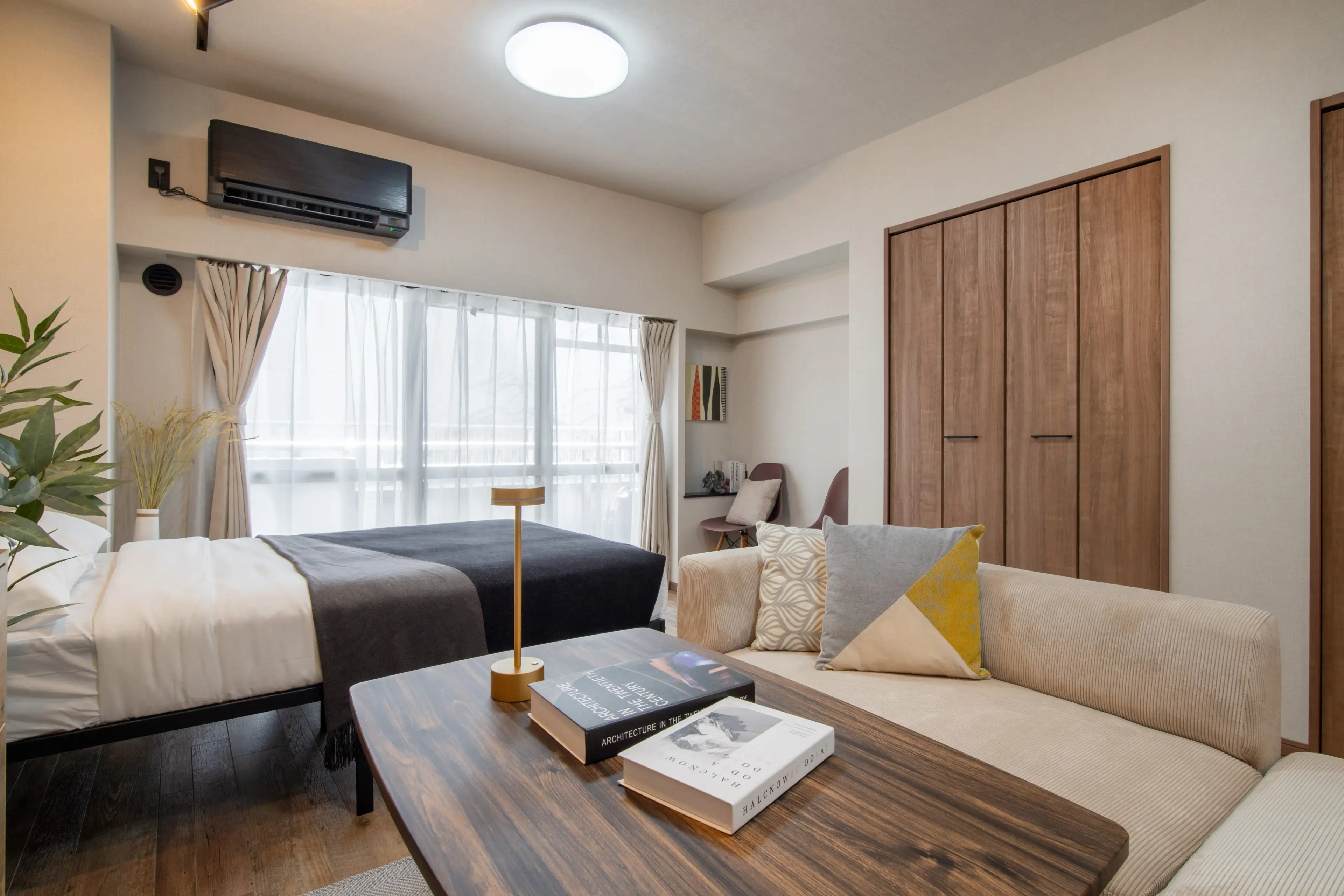 Occupato
Fully Furnished Apartment 20 Min to Takadanobaba
Iidabashi High Town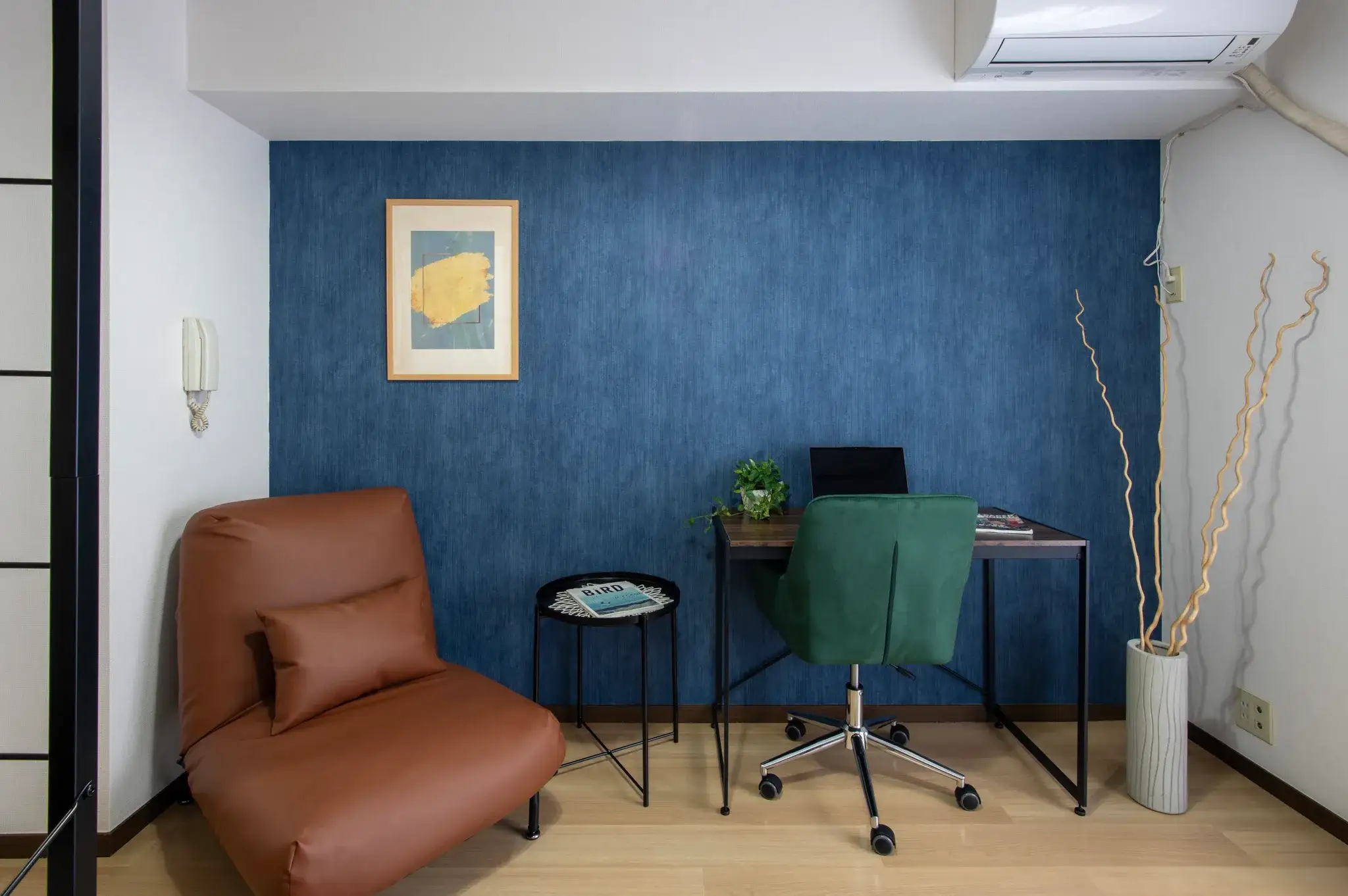 Disponibile dal Dec 7, 2026
Appartamento arredato a Meguro
ML Meguro — 208
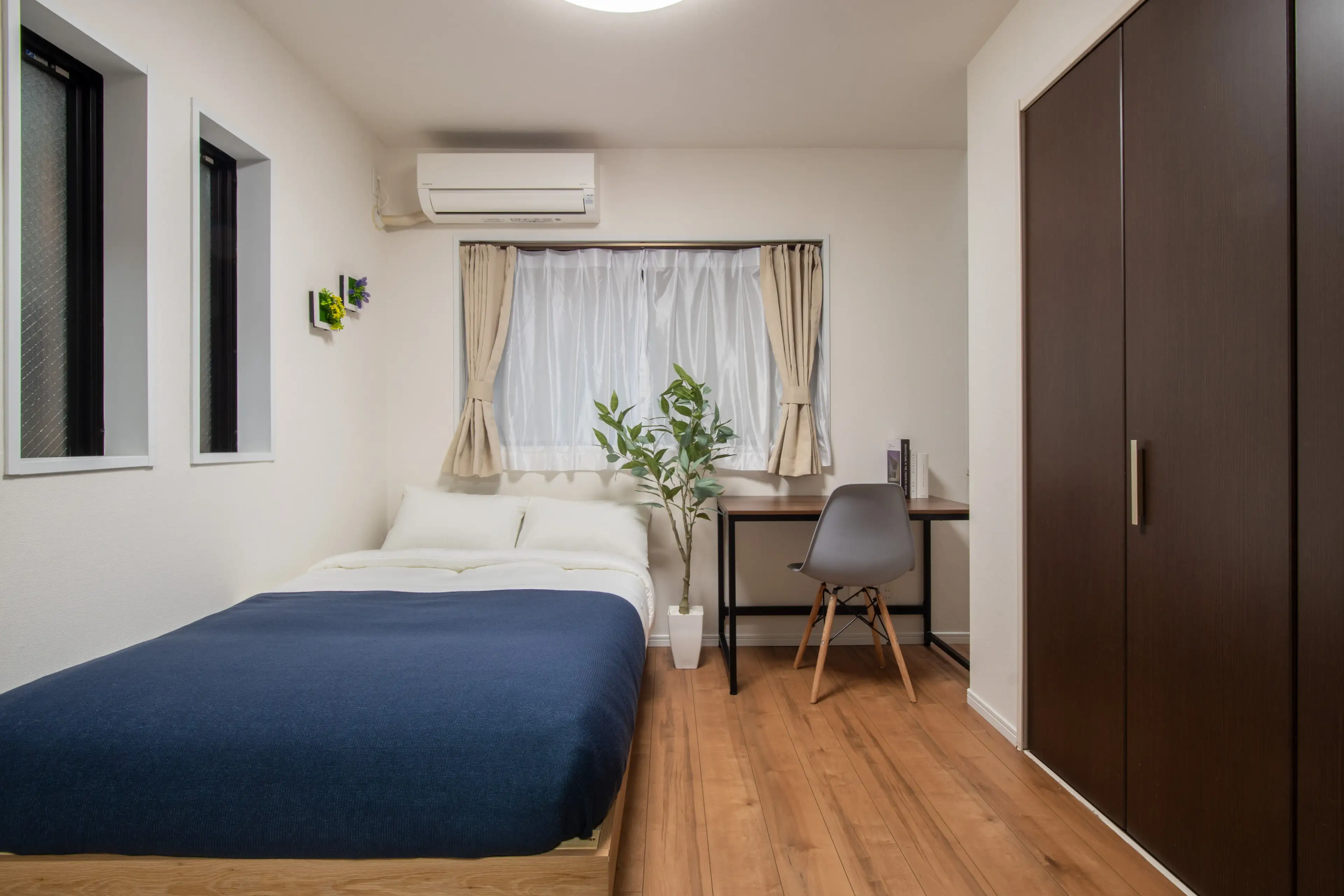 Possibilmente dal Feb 22, 2027
Appartamento arredato a Shinagawa
Beverly Homes Nishikoyama — 103