
Căn hộ Tokyo gần các nhà ga chính: Những lựa chọn căn hộ có nội thất tốt nhất theo từng tuyến đường

Tại Sao "Gần Một Nhà Ga" Quan Trọng Hơn Quận Phố Ở Tokyo
Khi tìm kiếm căn hộ Tokyo gần nhà ga, hầu hết những người mới đến đều mắc phải cùng một sai lầm: họ ưu tiên quận (ku) trước tiên. Nhưng ở Tokyo, chất lượng cuộc sống hàng ngày của bạn được quyết định nhiều hơn bởi nhà ga nào gần nhất — và các tuyến tàu nào chạy qua đó — hơn là liệu địa chỉ của bạn có ghi Shinjuku-ku hay Koto-ku.
Tokyo có hơn 900 nhà ga tàu và tàu điện ngầm. Con số đó đã nói lên điều gì đó quan trọng: khoảng cách đến nhà ga đúng là tất cả. Một chuyến đi 4 phút đến trạm Yamanote Line chính luôn tốt hơn chuyến đi 2 phút đến một trạm địa phương nhỏ.
Hãy nghĩ về chuyến đi làm hàng ngày của bạn, những công việc cuối tuần, những bữa tối muộn. Tất cả đều diễn ra qua các nhà ga. Hướng dẫn này phân tích các khu vực nhà ga tốt nhất theo tuyến — với bối cảnh giá thực — để bạn có thể đưa ra lựa chọn thông minh, sáng suốt về nơi sống.

Căn Hộ Yamanote Line: Nhà Ga Tốt Nhất Cho Người Nước Ngoài
Yamanote Line là xương sống của Tokyo — một vòng lặp kết nối 30 nhà ga bao gồm Shinjuku, Shibuya, Harajuku, Ikebukuro, Ueno và Shinagawa. Nếu bạn sống trên hoặc gần tuyến này, hầu như bất kỳ nơi nào trong thành phố đều nằm trong vòng 30–40 phút. Đối với người nước ngoài đặc biệt, một căn hộ yamanote line mang lại sự tiện lợi không có đối thủ.
Shinjuku — Trung Tâm Giao Thông Bận Rộn Nhất
Nhà ga Shinjuku xử lý hơn 3,5 triệu hành khách mỗi ngày. Sống trong vòng 10 phút bộ đi đặt bạn tại giao điểm của các tuyến Yamanote, Chuo, Sobu, Odakyu, Keio, Marunouchi và Toei. Đó là sự kết nối đặc biệt.
Dự tính chi trả ¥80,000–¥130,000/tháng cho một căn hộ 1K hoặc 1LDK trong vòng 5 phút bộ đi. Phía tây xa hơn ở Nishi-Shinjuku hoặc phía nam về phía Yoyogi, giá sẽ giảm đáng kể trong khi vẫn duy trì khả năng tiếp cận mạnh.
Ebisu & Meguro — Sự Yên Tĩnh Lịch Lãm
Hai trạm Yamanote Line láng giềng này thu hút các chuyên gia và người nước ngoài lâu dài muốn có đường phố yên tĩnh, nhà hàng tốt và khả năng tiếp cận dễ dàng về phía nam đến Shinagawa (và Shinkansen) hoặc về phía bắc đến Shibuya. Một căn hộ 1K nhỏ gọn trong vòng 8 phút thường chạy ¥90,000–¥120,000/tháng.
Nippori & Tabata — Những Nhà Ga Giá Trị Bị Lãng Quên
Bị bỏ qua bởi hầu hết người nước ngoài, Nippori và Tabata nằm trên cung phía đông bắc của vòng Yamanote. Chúng yên tĩnh, địa phương và rõ ràng rẻ hơn — căn hộ 1K từ ¥55,000–¥75,000/tháng. Nippori cũng kết nối với Keisei Line, cho bạn một tuyến trực tiếp đến Sân Bay Narita. Đối với căn hộ có nội thất và các nhà ở chung, phần này của vòng thực sự bị đánh giá thấp.
Mẹo Chuyên Nghiệp: Cung phía bắc của Yamanote Line (Nippori, Tabata, Komagome, Sugamo) cung cấp giá thuê 20–35% thấp hơn so với cung phía tây (Shibuya, Shinjuku, Harajuku) với thời gian đi lại gần như giống hệt đến trung tâm Tokyo. Nếu ngân sách là ưu tiên, hãy tìm kiếm ở đây trước tiên.
Tuyến Chuo & Sobu: Lựa Chọn Tây Tokyo
Chạy từ đông sang tây qua trung tâm thành phố, các tuyến Chuo và Sobu phục vụ một dải lâu dài các khu phố được ưa thích bởi cả cư dân địa phương Nhật Bản và cư dân nước ngoài. Từ Shinjuku, dịch vụ nhanh Chuo Line đến Koenji trong 4 phút, Nakano trong 6 phút và Kichijoji trong 13 phút.
Koenji — Sáng Tạo và Giá Cả Phải Chăng
Koenji có một năng lượng riêng biệt theo phong cách bohemian — các cửa hàng cổ điển, các địa điểm âm nhạc trực tiếp và các quán izakaya chật chội với các nghệ sĩ và những chuyên gia trẻ. Nó chỉ cách Shinjuku 4 phút bằng đường nhanh Chuo Line, nhưng giá thuê thấp hơn đáng kể: căn hộ 1K dao động từ ¥60,000–¥85,000/tháng.
Đối với người nước ngoài muốn cảm nhận khu phố Tokyo thực sự mà không phải trả giá Shinjuku, Koenji là một trong những bí mật được giữ kín tốt nhất trên tuyến này.
Nakano — Thực Tế và Kết Nối Tốt
Nakano là nơi tính thực tế chiến thắng. Nó có khả năng tiếp cận trực tiếp qua Tokyo Metro Tōzai Line (ngoài Chuo/Sobu), có nghĩa là bạn có thể đến Otemachi, Nihonbashi và Nishi-Funabashi mà không cần thay đổi tàu. Các studio ở đây thường chạy ¥65,000–¥90,000/tháng trong vòng 10 phút bộ đi.
Kichijoji — Lựa Chọn Yêu Thích Lâu Năm
Được bình chọn là một trong những nơi sống mong muốn nhất của Tokyo năm này qua năm khác, Kichijoji cung cấp Công viên Inokashira, một đường mua sắm sôi động và khả năng tiếp cận Chuo Line vững chắc. Sự thỏa hiệp: giá thuê phản ánh mức độ phổ biến của nó. Lên ngân sách ¥80,000–¥110,000/tháng cho một căn hộ 1K trong một chuyến đi hợp lý đến nhà ga.

Tuyến Marunouchi & Hibiya: Cuộc Sống Ở Trung Tâm
Tokyo Metro Marunouchi và Hibiya Lines đi qua các khu phố trung tâm nhất của Tokyo. Sống dọc theo các tuyến này có nghĩa là bạn thường nằm trong phạm vi tiếp cận trực tiếp của các khu vực kinh doanh chính — mà không cần thay đổi tàu.
Hongo-sanchome & Korakuen (Marunouchi Line)
Các trạm này nằm ngay phía bắc của trung tâm Tokyo và thường bị bỏ qua để ưu tiên các địa chỉ thời thượng hơn. Nhưng chúng cung cấp những con đường dân cư yên tĩnh, khả năng tiếp cận dễ dàng đến Otemachi và Shinjuku trên cùng một tuyến, và giá thuê chưa hoàn toàn bắt kịp với sự tiện lợi. Dự tính ¥70,000–¥95,000/tháng cho một căn hộ 1K.
Ebisu & Hiro-o (Hibiya Line)
Hiro-o đặc biệt đã lâu là yêu thích của người nước ngoài — đây là nơi có nhiều trường quốc tế, đại sứ quán và các cửa hàng tạp hóa cao cấp như National Azabu. Sự thoải mái này đi kèm với một chi phí: một căn hộ 1K gần Hiro-o chạy ¥100,000–¥150,000/tháng dễ dàng. Nhưng nếu nhà tuyển dụng của bạn chi trả trợ cấp nhà ở, khu vực này mang lại khả năng sống sót đặc biệt.
Hatchobori & Tsukishima (Hibiya/Yurakucho)
Tiếp tục về phía đông dọc theo Hibiya Line, Hatchobori và Tsukishima gần đó mang lại một nhân vật rất khác — lâu đời hơn, địa phương hơn và rẻ hơn đáng kể. Tsukishima nổi tiếng vì monjayaki (phiên bản bánh nước mặn của Tokyo) và có kết nối Yurakucho và Oedo Line tuyệt vời. Một căn hộ 1K ở đây có thể được tìm thấy với giá ¥65,000–¥85,000/tháng.
Ở Tokyo, nhà ga phù hợp không chỉ về thời gian đi lại — nó liên quan đến siêu thị nào bạn sử dụng, quán izakaya nào trở thành nơi thường xuyên của bạn, và bạn có thể dễ dàng tiếp cận sân bay vào lúc 6 giờ sáng thứ Hai như thế nào.
Chuyến Đi 5 Phút vs 10 Phút: Sự Khác Biệt Giá Thực
Danh sách bất động sản Nhật Bản phân loại thời gian đi bộ thành các dải 5 phút nghiêm ngặt: 徒歩1分 (bộ đi 1 phút), 徒歩5分 (bộ đi 5 phút), 徒歩10分 (bộ đi 10 phút), v.v. Điều này trực tiếp ảnh hưởng đến giá.
Dữ liệu thường cho thấy điều gì đó trên các khu phố tầm trung của Tokyo:
- Bộ đi 1–5 phút: Phí bảo hiểm khoảng 10–20% trên mức bình quân khu phố
- Bộ đi 6–10 phút: Tại hoặc gần mức bình quân khu phố — thường là điểm ngọt ngào
- Bộ đi 11–15 phút: Thường thấp hơn mức bình quân khu phố 10–15%
- Trên 15 phút: Giảm giá đáng kể, nhưng hãy cân nhắc điều này so với mệt mỏi hàng ngày
Về mặt thực tế, chuyển từ chuyến đi 5 phút sang 10 phút tại một nhà ga như Shinjuku hoặc Shibuya có thể tiết kiệm cho bạn ¥10,000–¥20,000 mỗi tháng chỉ về tiền thuê. Trong 12 tháng cho thuê, đó là tới ¥240,000 tiết kiệm — tiền thực.
Tính toán thành thật: nếu bạn đi làm hàng ngày và coi trọng giấc ngủ, bộ đi 5 phút trong thời tiết xấu thực sự tốt hơn. Nếu bạn làm việc từ nhà hai hoặc ba ngày một tuần, 5 phút thêm có thể không quan trọng đủ để biện minh cho tiền thuê cao hơn.
Cách Đọc Danh Sách Khoảng Cách Nhà Ga Một Cách Trung Thực
Danh sách bất động sản Nhật Bản trích dẫn thời gian đi bộ dựa trên tiêu chuẩn 80 mét mỗi phút — một bước tốc độ trên bằng phẳng không bị gián đoạn. Cuộc sống thực tế là khác. Dưới đây là cách giải thích danh sách một cách chính xác:
Quy Tắc 80m/phút Trong Thực Tế
Một "bộ đi 7 phút" trong danh sách tương đương với khoảng 560 mét đường chim bay. Trong thực tế — với đèn giao thông, đám đông và bất kỳ độ cao nào — thêm 2–3 phút. Một bộ đi 7 phút được liệt kê thực tế gần hơn đến 9–10 phút với tốc độ bình thường.
Kiểm Tra Google Maps, Không Chỉ Danh Sách
Luôn xác minh tuyến đường trên Google Maps bằng tùy chọn hướng dẫn đi bộ. Dán địa chỉ nhà ga và địa chỉ tài sản. Chú ý liệu tuyến đường có vượt qua một con đường lớn, đi qua một hầm hoặc cần điều hướng xung quanh một khối — những điều nhỏ này cộng lại mỗi ngày.
Lối Ra Nhà Ga Quan Trọng
Các nhà ga lớn như Shinjuku, Ikebukuro và Shibuya có 10+ lối ra. Danh sách có thể nói "3 phút từ Nhà ga Shinjuku" — nhưng điều đó có thể có nghĩa là Lối Ra A1, không phải lối ra phía nam bạn thực sự sử dụng cho chuyến đi làm của mình. Luôn kiểm tra lối ra nào thời gian đi bộ được đo từ.
Kết Nối Xe Buýt Được Liệt Kê Là "Khả Năng Tiếp Cận Nhà Ga"
Một số danh sách bao gồm khả năng tiếp cận xe buýt để đệm các yêu cầu sự gần gũi nhà ga của họ. Bạn có thể thấy "Shibuya Station — 12 phút bằng xe buýt." Điều này là hợp pháp cho một số tình huống, nhưng để đi lại hàng ngày, ưu tiên khoảng cách đi bộ trên kết nối xe buýt bất cứ khi nào có thể. Xe buýt ở Tokyo có thể không đều đặn và bị mắc kẹt giao thông.

Tốt để Biết: Khi đánh giá một căn hộ có nội thất hoặc nhà ở chung gần một nhà ga, luôn thực hiện một chuyến đi bộ vật lý vào thời gian của ngày bạn thực sự sẽ đi lại. Điều kiện giao thông cao điểm buổi sáng, đám đông nhà ga và tiếp xúc với thời tiết là những điều không có danh sách nào có thể nắm bắt đầy đủ — nhưng một lần thăm 10 phút sẽ cho bạn biết tất cả.
Tìm Kiếm Căn Hộ Có Nội Thất Phù Hợp Gần Nhà Ga Tokyo
Thị trường cho thuê Tokyo di chuyển nhanh. Các đơn vị có vị trí tốt nhất — đặc biệt căn hộ có nội thất gần nhà ga Tokyo sẵn sàng chuyển vào — thường được đặt cọc trong vòng vài ngày sau khi được liệt kê. Biết nhà ga ưu tiên của bạn trước khi bạn bắt đầu tìm kiếm mang lại cho bạn một lợi thế thực sự.
Sử dụng khung này để thu hẹp phạm vi tìm kiếm của bạn:
- Xác định điểm đến đi lại chính của bạn và quay lại để tìm tuyến trực tiếp nhất
- Chọn 2–3 nhà ga đích tiêu trên tuyến đó, được xếp hạng theo ngân sách tiền thuê
- Đặt ngưỡng thời gian đi bộ của bạn — hãy thành thật về những gì bạn sẽ chấp nhận trong mưa mùa đông
- Kiểm tra kết nối thứ cấp — nhà ga có kết nối với ít nhất một tuyến chính khác không?
- Thăm vào buổi sáng ngày hôm thứ năm trước khi cam kết — cảm nhận đám đông thực tế và dòng chảy đi lại
Tại Modern Living Tokyo, tất cả căn hộ có nội thất và nhà ở chung của chúng tôi đều được lựa chọn với sự gần gũi nhà ga là tiêu chí cốt lõi. Chúng tôi tập trung vào các vị trí trong một chuyến đi bộ thực tế của các tuyến chính — bao gồm Yamanote, Chuo và các tuyến Metro chính — để bạn không bao giờ phải thỏa hiệp giữa sự tiện lợi và một không gian thoải mái, sẵn sàng để sống.
Nếu bạn vẫn đang quyết định khu vực nào phù hợp với bạn, hãy liên hệ với đội ngũ của chúng tôi. Chúng tôi biết những khu phố này rất tốt, và chúng tôi rất sẵn lòng ghép bạn với các tùy chọn dựa trên chuyến đi làm, ngân sách và lối sống của bạn — không chỉ là nhà ga gần nhất trên bản đồ.

Modern Living Tokyo
Bài Viết Liên Quan
 Tips & Tricks
Căn Hộ Có Nội Thất Giá Rẻ Ở Tokyo: Những Lựa Chọn Tiết Kiệm Dưới ¥100,000/Tháng
Căn hộ có nội thất giá rẻ ở Tokyo hoàn toàn tồn tại — chỉ cần bạn biết tìm ở đâu. Hướng dẫn chi tiết theo từng quận và những khoản phí ẩn thường làm vỡ kế hoạch ngân sách của bạn.
 Modern Living TokyoĐọc thêm →
 Tips & Tricks
Top 5 quận rẻ nhất Tokyo cho căn hộ nội thất (2026)
Khám phá 5 quận rẻ nhất Tokyo để thuê căn hộ nội thất năm 2026 — cùng với mức giá thực tế, thời gian di chuyển và những mẹo tiết kiệm chi phí.
Modern Living TokyoĐọc thêm → Tips & Tricks
Cho thuê theo ngày ở Tokyo: Căn hộ có đầy đủ nội thất theo ngày hoặc tuần
Tất cả những gì bạn cần biết về cho thuê căn hộ theo ngày ở Tokyo — từ giá cả, địa điểm tốt nhất, nền tảng đặt phòng cho đến khi nào hình thức này tiết kiệm hơn so với khách sạn.
Modern Living TokyoĐọc thêm →Bất động sản nổi bật
 Đã có người ở
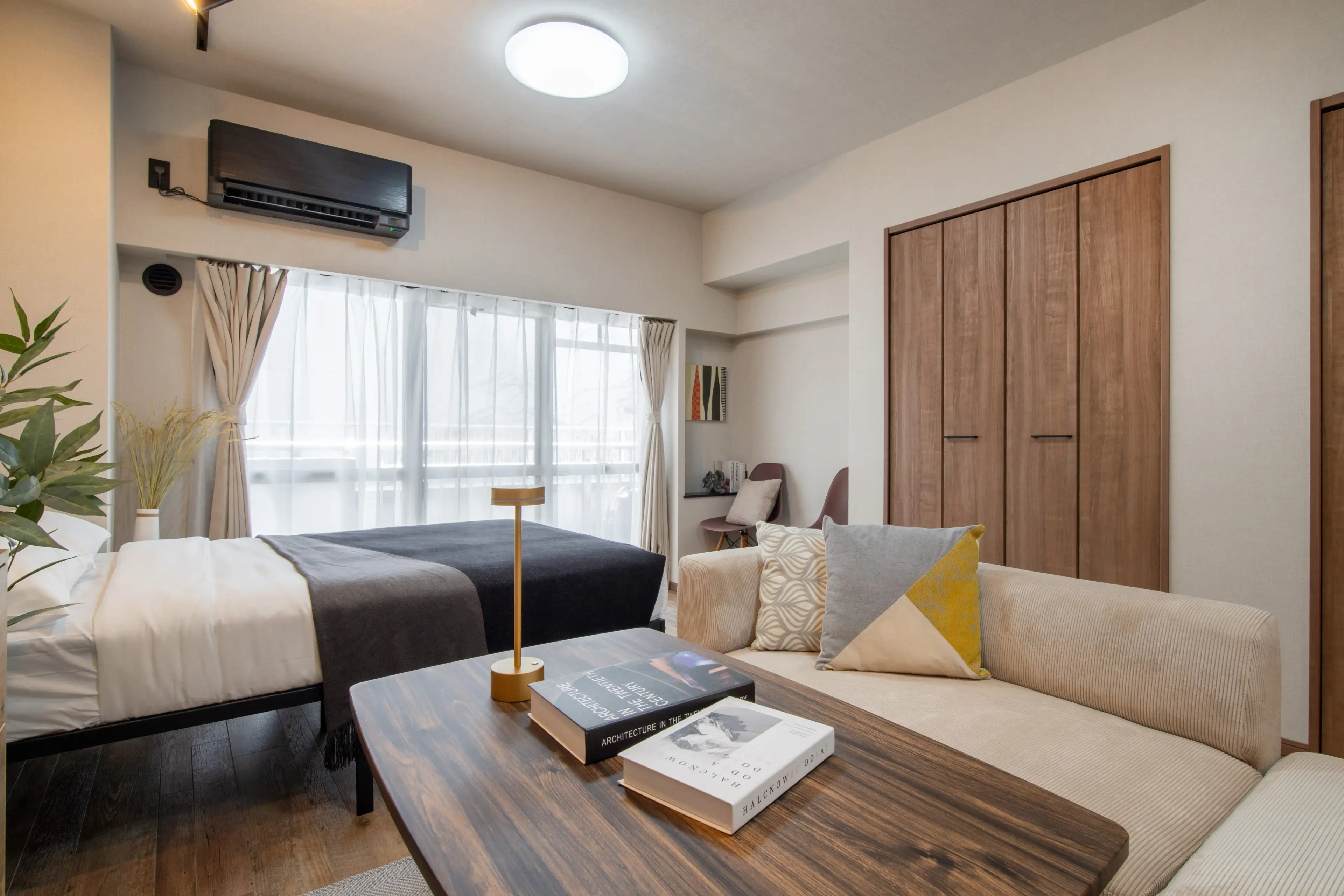
Fully Furnished Apartment 20 Min to Takadanobaba
Iidabashi High Town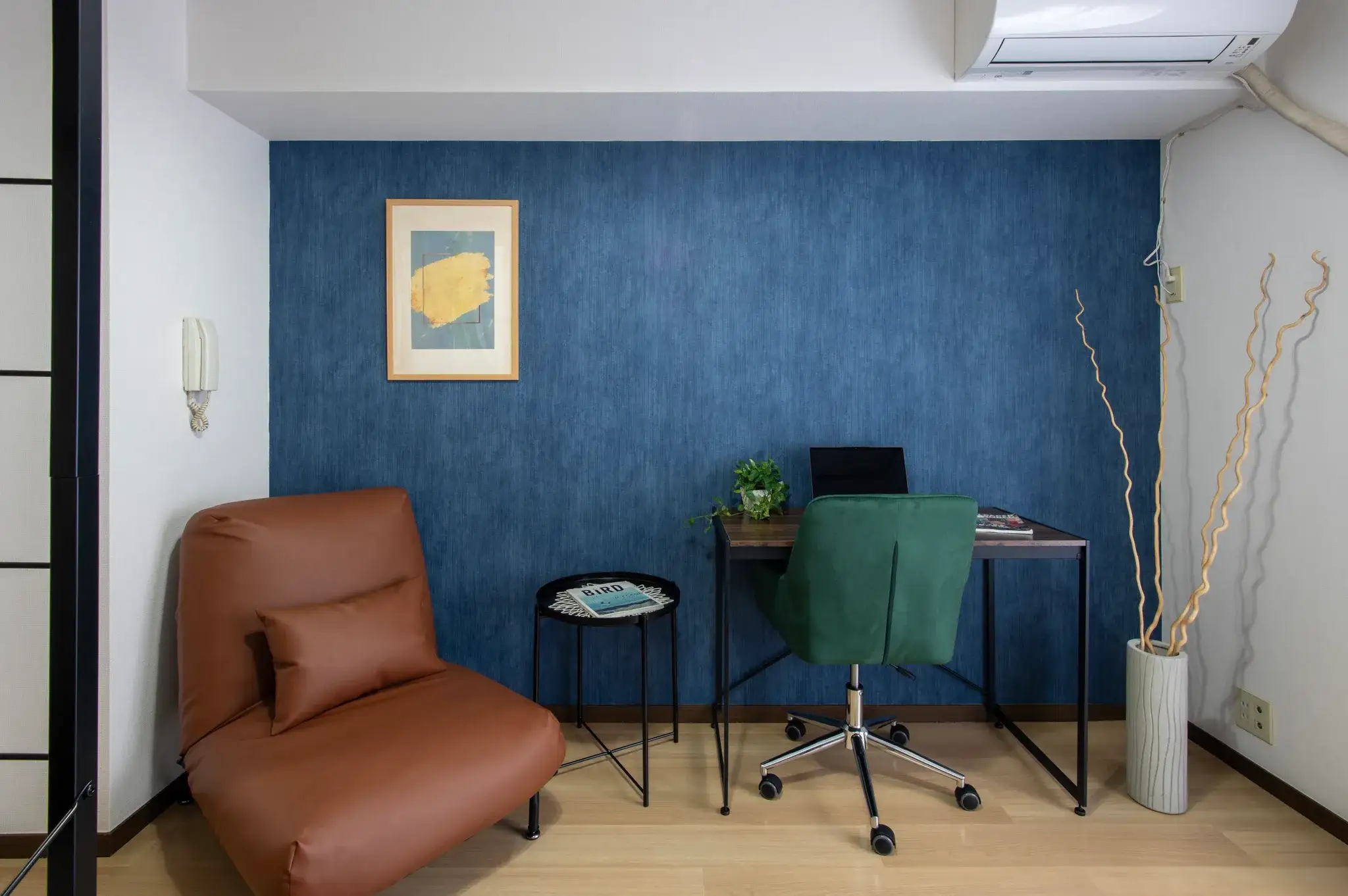 Có thể từ Dec 3, 2026
Căn hộ có đầy đủ nội thất tại Meguro
ML Meguro — 208
 Có sẵn ngay
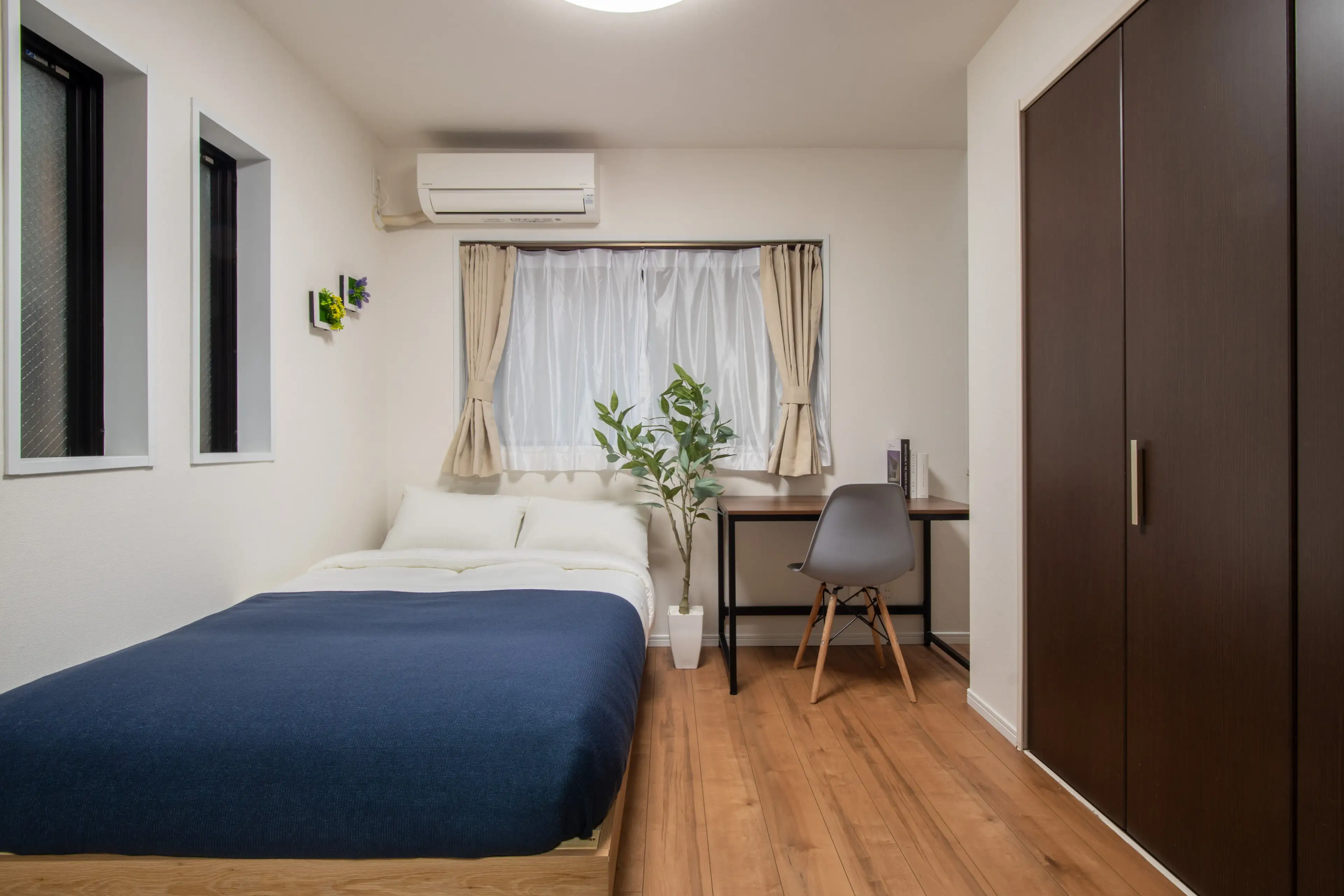
Căn hộ có đầy đủ nội thất tại Shinagawa
Beverly Homes Nishikoyama — 103