
Comment trouver un appartement à Tokyo : Guide stratégique pour les nouveaux arrivants (2026)

Before You Search: Define Your Non-Negotiables
Apartment hunting in Tokyo can feel overwhelming at first — the city is massive, the listings are in Japanese, and the rental system has rules unlike anywhere else in the world. But with the right strategy, even first-time arrivals can find a great place within two to three weeks. The key is doing your homework before you ever open a search portal.
Start by locking in three things: your maximum monthly budget, your workplace or school location, and your absolute deal-breakers. Write these down. Everything else — the nice-to-haves, the "maybe" items — comes second.
A realistic monthly rent budget for a private apartment in Tokyo typically falls between ¥70,000 and ¥130,000 for a single person. Studios and 1K apartments in central areas like Shinjuku or Shibuya can easily exceed ¥100,000. Moving one or two train stops away from a major hub can drop your rent by ¥15,000–¥20,000 per month.
- Budget: Include rent + utilities + internet (budget an extra ¥15,000–¥20,000/month on top of rent)
- Commute time: Decide your maximum one-way travel time (most Tokyo residents aim for under 40 minutes)
- Layout: 1K (studio with separate kitchen), 1DK, or 1LDK — know the difference before you search
- Deal-breakers: Pet policy, floor level, laundry (in-unit vs. shared), no-smoking building
Search Around Your Commute, Not Just the Map
Tokyo's train network is one of the most efficient in the world, which means your apartment's location matters far less than its commute time. A flat in Koenji might be a 20-minute direct ride to Shinjuku, while an apartment in a "closer" neighborhood that requires two transfers could take 35 minutes.
Use Hyperdia or Google Maps (transit mode) to test your actual commute from any address you're considering. Don't trust straight-line distance on a map.
Some of the best-value areas for foreigners commuting to central Tokyo include:
- Koenji / Asagaya (Chuo Line) — artsy, affordable, 15 minutes to Shinjuku
- Shin-Koenji / Higashi-Koenji (Marunouchi Line) — quieter, well-priced 1K apartments
- Itabashi / Takashimadaira (Mita Line) — very affordable, great for those working in Marunouchi
- Sangenjaya (Tokyu Den-en-toshi Line) — popular with expats, vibrant neighborhood, ~20 min to Shibuya
- Kamata / Omori (Keihin-Tohoku Line) — practical, low-cost, excellent access to both Tokyo and Yokohama

In Tokyo, your commute time matters far more than your address. A 20-minute direct ride beats a 10-minute walk to the "wrong" station every time.
Where Foreigners Actually Find Apartments in Tokyo
The Main Search Portals
Most Japanese apartment listings live on a handful of major platforms. The challenge is that many are primarily in Japanese. Here are the most useful ones for English-speaking searchers:
- Suumo (suumo.jp) — Japan's largest real estate portal; Japanese only but comprehensive
- GaijinPot Apartments (apartments.gaijinpot.com) — English interface, specifically for foreigners, foreigner-friendly listings
- Real Estate Japan (realestate.co.jp) — English-language portal with listings across Tokyo, including foreigner-friendly buildings
- Japanrent.com — English listings for furnished and unfurnished apartments
- Housecom (housecom.jp) — Japanese portal with some English support at their branches
- Direct furnished-apartment & share house operators — companies that manage their own foreigner-friendly (often no-guarantor) rooms and let you enquire and book in English
Working With a Real Estate Agent
In Japan, you typically work with a fudosan (real estate agent) who searches multiple databases on your behalf. Most apartments aren't listed on public portals — agents access the full database called REINS.
Agents like Able, Mini Mini, and Housecom have English-speaking staff at some Tokyo branches. Ken Corporation and Plaza Homes specialize in expat-friendly luxury rentals. Walking into a branch near your desired neighborhood is often the fastest way to see real options.
Pro Tip: Bring your documents to your first agent meeting — residence card (or passport), proof of income or employment letter, and your Japanese contact number if you have one. Being prepared signals that you're a serious tenant.
Filters That Save Weeks: What to Set Before You Browse
Whether you're using an online portal or briefing an agent, the right filters will cut your search time dramatically. Tokyo has thousands of listings — most of which won't work for you. Narrow fast.
The filters that matter most for foreign residents:
- 外国人可 (Gaikokujin-ka) — "foreigners accepted." This is the single most important filter. Without it, many landlords will simply decline your application.
- 保証人不要 (Hoshounin fuyo) — no Japanese guarantor required. Most foreigners don't have a Japanese personal guarantor, so look for apartments that use a hoshougaisha (guarantee company) instead.
- 礼金なし (Reikin nashi) — no key money. This alone can save you one to two months' rent upfront.
- 敷金 (Shikikin) — deposit. Filter for one month's deposit where possible.
- Rent range: Set a firm upper limit and stick to it
- Layout: Use Japanese terms — 1K, 1DK, 1LDK, 2LDK, etc.
- Walk time to station: Under 10 minutes is generally most convenient

The Hidden Upfront Costs Every Apartment Hunter in Tokyo Must Know
This is where many newcomers get a shock. Japanese apartments come with significant upfront costs beyond the first month's rent. Budget for these before you commit to anything.
Here's what you're typically paying at move-in:
- Shikikin (敷金) — Security Deposit: Usually 1–2 months' rent. Refundable (minus cleaning/damage costs) when you move out.
- Reikin (礼金) — Key Money: A non-refundable "gift" to the landlord. Typically 1–2 months' rent. Many newer and foreigner-friendly apartments have eliminated this.
- Agency Fee (仲介手数料): Usually 1 month's rent + tax, paid to the real estate agent.
- Guarantor Company Fee (保証料): Typically 0.5–1 month's rent upfront, then a small monthly fee ongoing.
- First Month's Rent + Adjustment: If you move in mid-month, you pay a prorated amount plus the next full month.
- Fire Insurance (火災保険): Required by almost all landlords. Around ¥15,000–¥20,000 for a two-year policy.
- Lock Replacement Fee: Some landlords charge ¥10,000–¥20,000 to replace the entry lock.
Heads Up: Always ask for a full breakdown of move-in costs in writing before signing anything. Some agencies add administrative fees (事務手数料) on top of the standard costs. A transparent agent will show you every line item upfront.
Viewings, Shortlists, and Moving Fast When You Find the One
Good apartments in Tokyo — especially foreigner-friendly ones at a fair price — move quickly. In popular areas like Nakameguro, Shimokitazawa, or Ebisu, a well-priced 1LDK can receive multiple applications within 48 hours of listing.
How to Handle Viewings Efficiently
Schedule 3–5 viewings in the same area on the same day. This saves travel time and helps you compare options while details are fresh. Most viewings take 10–20 minutes per apartment.
During each viewing, check these things specifically:
- Phone signal and Wi-Fi availability (important for remote workers)
- Natural light at the time of day you'd actually be home
- Water pressure in the shower and kitchen
- Proximity to convenience stores, supermarkets, and the station
- Noise levels — stand quietly for 60 seconds and listen
- Ventilation and any signs of mold near windows or the bathroom
When You're Ready to Apply
Once you find the right place, tell your agent immediately and ask to submit an moushikomi (申込み / application) the same day. This puts a temporary hold on the apartment while your paperwork is reviewed.
Standard documents required for a Tokyo apartment application include:
- Residence card (在留カード) or passport
- Employment contract or offer letter
- Recent payslips (usually 3 months)
- Bank statements (sometimes requested)
- Japanese phone number
- Guarantor company application form (filled out on the spot)

A Smarter First Step: Furnished, Move-In-Ready Options in Tokyo
If you've just arrived in Japan — or you're still overseas planning your move — jumping straight into a standard lease is one of the hardest things you can do. You need a Japanese address to open a bank account. You need a bank account to set up direct debit for rent. You need income history for the guarantor company. It's a lot of overlapping requirements.
This is exactly why many newcomers start in a furnished apartment or sharehouse first. Places like those offered by Modern Living Tokyo are specifically designed for this transition period: no Japanese guarantor required, move in with just a suitcase, utilities often included, and flexible lease terms that give you time to get settled before committing to a long-term contract.
A furnished sharehouse or serviced apartment also gives you the chance to actually live in Tokyo before locking in a neighborhood. You'll quickly discover whether you prefer the energy of Shinjuku, the quiet of Meguro, or the community feel of an area like Koenji — and that knowledge makes your eventual apartment search far sharper.
Once you have a residence card, a bank account, and a few payslips, the standard rental market becomes much more accessible. Many residents of Modern Living Tokyo properties have used exactly this stepping-stone approach — and landed their long-term apartment within 2–3 months of arriving.
Final Thoughts: Your Tokyo Apartment Hunt Has a Strategy Now
Tokyo's rental market rewards people who come prepared. Know your budget. Understand the train lines. Learn the upfront costs before you fall in love with a listing. Filter for foreigner-friendly properties. And don't be afraid to move quickly when you find something that works.
If you're newer to Japan and want a low-stress way to start, explore Modern Living Tokyo's furnished apartments and sharehouses — designed specifically to get international residents settled quickly, without the usual paperwork headaches.
Your Tokyo home is out there. The search just needs the right strategy.

Modern Living Tokyo
Articles connexes
 Moving Guide
Comment louer un appartement meublé à Tokyo : guide complet étape par étape (2026)
Un guide pratique et détaillé pour louer un appartement meublé à Tokyo en tant qu'étranger en 2026 — couvrant les documents nécessaires, les frais, les solutions sans garant, et bien plus encore...
 Modern Living TokyoLire la suite →
 Moving Guide
Visa Nomade Numérique au Japon : Guide de Vie à Tokyo 2026
Tout ce qu'il faut savoir sur le visa nomade numérique du Japon en 2026 — critères d'éligibilité, services bancaires, les meilleurs quartiers de Tokyo et comment trouver un logement...
Modern Living TokyoLire la suite → Moving Guide
Comment louer une mansion meublée à Tokyo : Guide complet de réservation 2026
Un guide pratique étape par étape pour louer une mansion meublée à Tokyo en 2026 — documents requis, processus de réservation, conseils d'installation et pièges à éviter.
Modern Living TokyoLire la suite →Biens à la une
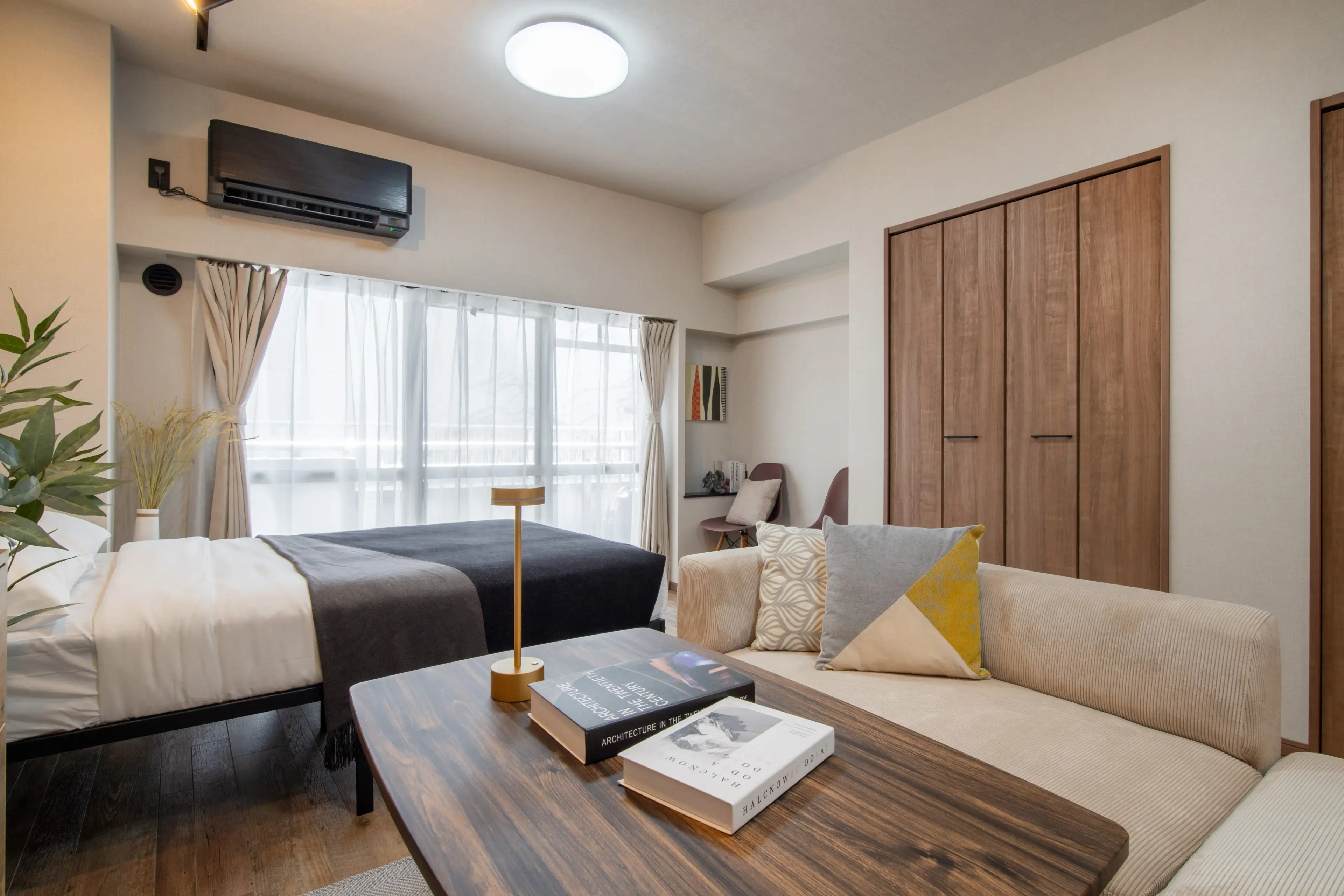 Occupé
Fully Furnished Apartment 20 Min to Takadanobaba
Iidabashi High Town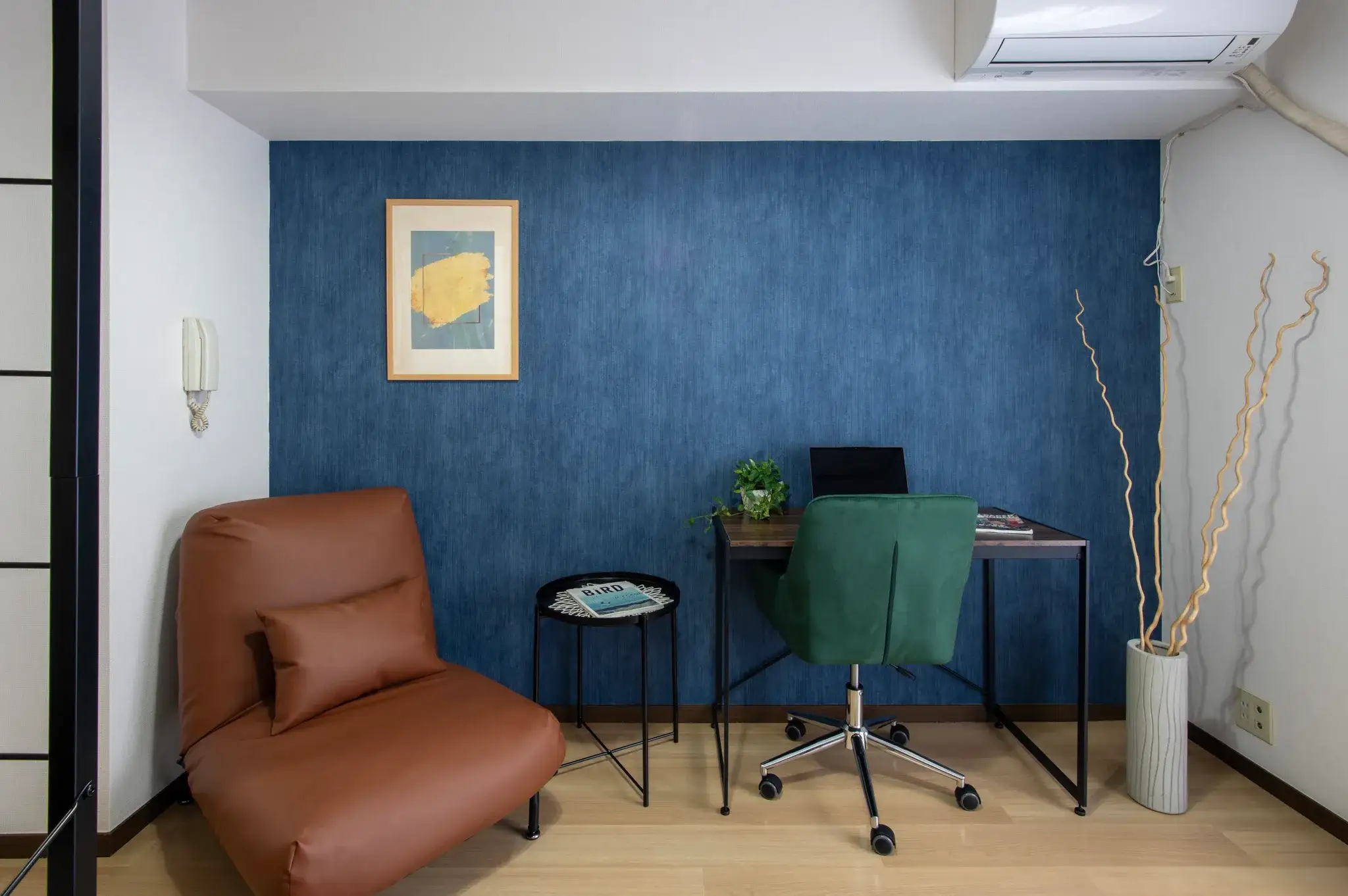 Disponible à partir du Dec 7, 2026
Appartement meublé à Meguro
ML Meguro — 208
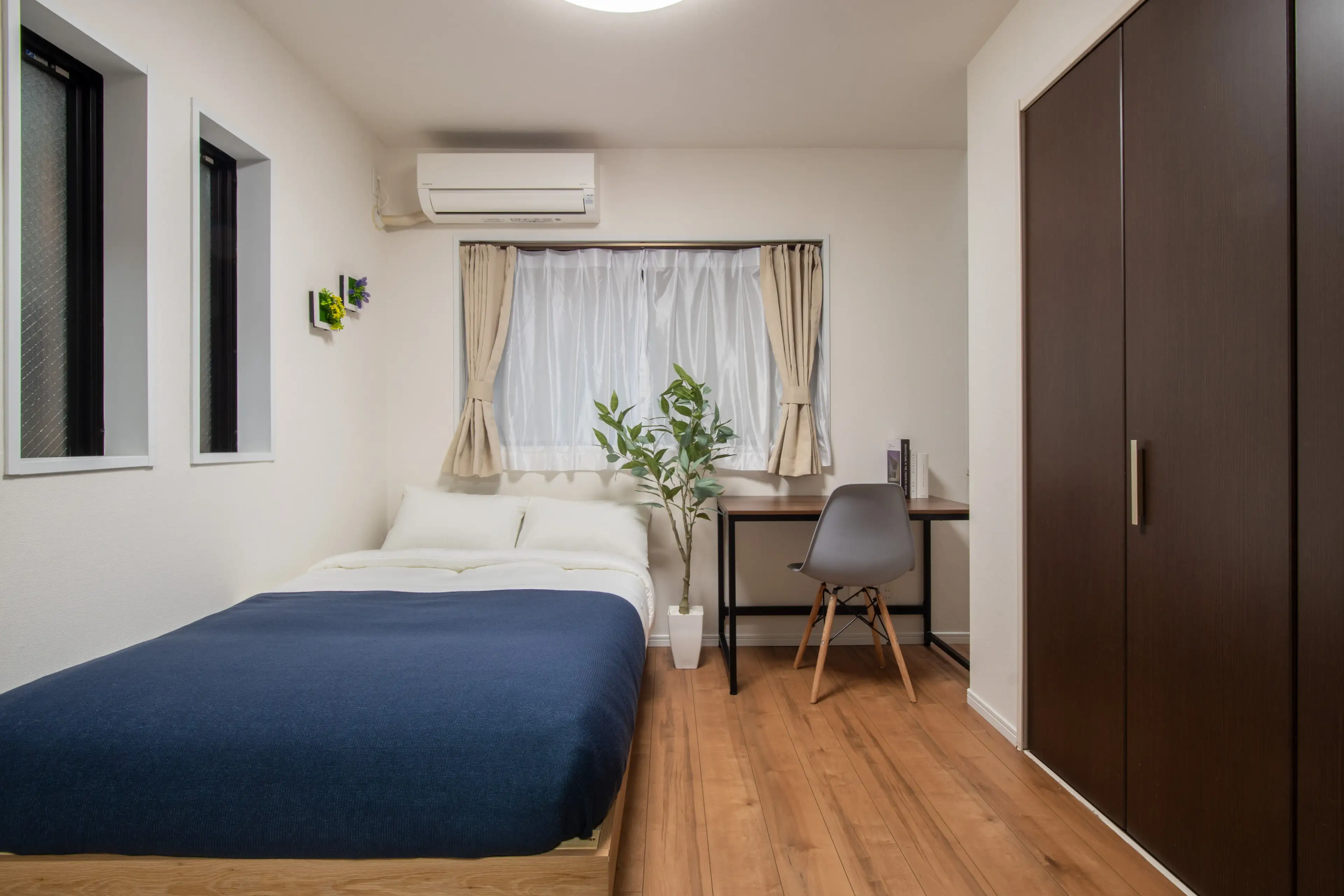 Possiblement à partir du Feb 22, 2027
Appartement meublé à Shinagawa
Beverly Homes Nishikoyama — 103