
Come aprire un conto bancario in Giappone da straniero (2026)

Why Every Foreigner in Japan Needs a Japanese Bank Account
Opening a bank account in Japan as a foreigner is one of the first — and most important — tasks on your to-do list when you arrive. Without one, you cannot receive a salary, pay rent via bank transfer, set up utility auto-payments, or use many everyday services that Japanese life depends on.
Even if you plan to stay for just six months, a local account makes your daily life dramatically easier. Cash is still king in Japan, but the infrastructure beneath it runs almost entirely on bank transfers and automatic debits.
The good news? Opening an account has become much more foreigner-friendly in recent years. Several major banks now offer English-language support, and some even let you apply online. This guide walks you through everything you need to know for 2026.

Best Banks for Foreigners in Japan (Open Bank Japan Expat Guide)
Not all Japanese banks are equally accessible to foreigners. Some have strict residency requirements or minimal English support. Here are the most practical options for expats in 2026.
Japan Post Bank (ゆうちょ銀行 / Yucho Ginko)
Best for: Newcomers and those with limited Japanese ability.
Japan Post Bank has branches and ATMs inside every post office in the country, meaning there is likely one within walking distance of your home. They accept foreigners with as little as three months of residency, making them one of the most accessible options right after arrival. English support at the counter is limited, but their ATM interface is available in English.
Sony Bank
Best for: International transfers and online-first users.
Sony Bank is a fully online bank with an excellent English-language interface. It offers low-fee international wire transfers — ideal if you send money home regularly. You apply entirely online, and your cash card is mailed to your registered address.
SMBC (Sumitomo Mitsui Banking Corporation)
Best for: Working professionals with employer support.
Many large Japanese companies have corporate accounts with SMBC and can help their foreign employees open accounts there quickly. They have English-speaking staff at select branches in Tokyo, including Shinjuku and Marunouchi.
Prestia (SMBC Trust Bank)
Best for: Expats who want full English-language banking.
Prestia is specifically designed for international customers. Their entire banking experience — from account opening to customer service — is available in English. The minimum deposit requirement is ¥30,000, and they offer strong international transfer features.
Rakuten Bank
Best for: Tech-savvy expats who shop online frequently.
Rakuten Bank is an online bank that integrates with the Rakuten ecosystem (Japan's largest e-commerce platform). Applications are done online, and their app has English support. A great choice if you want to avoid branch visits entirely.
Pro Tip: If you live in a sharehouse or furnished apartment and don't yet have a utility bill in your name, Japan Post Bank and Sony Bank are often the easiest first accounts to open — they have more flexible address verification requirements than traditional megabanks.
Documents You'll Need to Open a Bank Account in Japan
Requirements vary slightly between banks, but the following documents cover almost every situation. Prepare these before your visit or online application.
- Residence Card (在留カード / Zairyu Card) — This is your most important document. All banks require it.
- Passport — Bring the original; photocopies are generally not accepted.
- My Number Card (マイナンバーカード) — Required by most banks since 2024 for tax identification purposes. If you don't have the card yet, a My Number notification letter may be accepted.
- Proof of address — Your resident registration (住民票 / Juminhyo) from your local ward office, or a utility bill in your name. Some banks also accept your residence card address.
- Hanko (stamp) — Some traditional banks still ask for this, though many have moved to signature-only. Bring one if you have it.
- A Japanese phone number — Virtually all banks require this for SMS verification and online banking setup.
Good to Know: Many foreigners living in sharehouses can get their Juminhyo (resident registration certificate) from their local ward office for just ¥300. This is one of the most universally accepted proof-of-address documents at any bank.
Step-by-Step: How to Open Your Account

For In-Branch Applications (Japan Post Bank, SMBC, Prestia)
- Gather your documents — Residence card, passport, My Number, proof of address, and a Japanese phone number.
- Visit the branch — Go on a weekday during opening hours (typically 9:00–15:00). Avoid Mondays and the end of the month when branches are busiest.
- Take a number and wait — Staff will hand you an application form. Fill it in carefully. For name, use the romanised spelling on your residence card.
- Submit and verify — A staff member will check your documents and may ask a few questions about your purpose of account use. Answer honestly and simply (e.g., "for salary deposit" or "for daily expenses").
- Receive your passbook / card — Some banks issue a cash card on the spot; others mail it within 7–10 business days to your registered address.
For Online Applications (Sony Bank, Rakuten Bank)
- Visit the bank's website or download their app.
- Complete the online form with your personal details (name exactly as on your residence card).
- Upload photos of your residence card and My Number card.
- Complete the video identity verification step (eKYC) — this usually takes under five minutes.
- Your cash card will be mailed to your address within 10–14 business days.
"The biggest mistake foreigners make is visiting the bank without their My Number card — it can result in your application being rejected on the spot, even if everything else is in order."
Online Banking and Japan Banking English Support
Once your account is open, managing it efficiently is the next step. Here is what you can expect from each type of bank in terms of English-language support and digital features.
- Prestia — Full English app and website. English customer service by phone. Best overall English experience.
- Sony Bank — English app available. Strong international wire transfer features with rates far below traditional banks.
- Rakuten Bank — English app with good functionality. Integrates with Rakuten Pay and Rakuten Card for cashback benefits.
- Japan Post Bank — Limited English online banking, but ATMs across Japan (and at 7-Eleven) display English menus.
- SMBC / Prestia — Their "One's Direct" online banking platform has partial English support. Full English is available through Prestia.
For international transfers, Sony Bank typically charges around ¥2,000 per transfer with competitive exchange rates. Traditional megabanks like Mizuho or MUFG can charge ¥2,500–¥4,000 per transfer with less favourable rates.
Common Issues — and How to Avoid Them

Problem: "You need to be here for 6 months first."
Some branches of major banks like Mizuho or MUFG have historically turned away foreigners who arrived recently. This is not an official policy — it varies by branch and staff. Solution: Try Japan Post Bank or Sony Bank as your first account, as they have more consistent policies for newcomers.
Problem: Name mismatch
If your name is written differently on your passport versus your residence card (common for names with special characters), use the spelling on your residence card as the primary reference. Banks in Japan go by your residence card.
Problem: No Japanese phone number yet
Almost every bank requires a Japanese mobile number for SMS verification. Set up a SIM card before visiting the bank. Major convenience stores (7-Eleven, FamilyMart) sell prepaid SIMs that work immediately. IIJmio and Rakuten Mobile offer affordable monthly plans starting around ¥1,000/month.
Problem: Address not yet registered
You must register your address at your local ward office (区役所 / Kuyakusho) before opening a bank account. This is a legal requirement. If you just moved in — whether to a sharehouse or a furnished apartment — do this within 14 days of arrival as required by law. The process takes about 20 minutes and is free.
Problem: Application rejected without explanation
Banks in Japan can decline applications with little explanation. If this happens, try a different bank or branch. Online banks like Sony Bank and Rakuten Bank tend to have more transparent and consistent processes.
Quick Checklist Before You Go
- ✅ Residence card (original)
- ✅ Passport (original)
- ✅ My Number card or notification letter
- ✅ Juminhyo (resident registration) from ward office
- ✅ Japanese mobile phone number (active SIM)
- ✅ Hanko (optional but useful for traditional banks)
- ✅ Initial deposit (¥1,000–¥30,000 depending on the bank)
Getting Your Life in Japan Set Up — One Step at a Time
Opening a bank account in Japan as a foreigner is genuinely achievable, even if you've just arrived and your Japanese is limited. Choose the right bank for your situation, prepare your documents carefully, and the process is usually smooth and straightforward.
At Modern Living Tokyo, we know that the first few weeks in a new country involve a long list of practical tasks — and banking is near the top. Many of our furnished apartment and sharehouse residents find that having a registered address from day one gives them the head start they need to get their bank account sorted quickly and confidently.
If you have questions about settling into Tokyo life, our team is always happy to help point you in the right direction. Welcome to Japan — you've got this.

Modern Living Tokyo
Articoli Correlati
 Tips & Tricks
Lavorare come freelancer a Tokyo: visti, tasse e come trovare clienti (2026)
Tutto quello che i stranieri devono sapere sul lavoro autonomo in Giappone nel 2026 — visti, registrazione come ditta individuale, tasse, come trovare clienti e le migliori soluzioni abitative...
 Modern Living TokyoLeggi di più →
 Tips & Tricks
Pagamenti senza contanti in Giappone: la guida 2026 per gli stranieri
La tua guida completa 2026 ai pagamenti digitali in Giappone — da come attivare Suica e PayPay a quando portare contanti con te. Pensata appositamente per chi arriva a Tokyo dall'estero.
Modern Living TokyoLeggi di più → Tips & Tricks
Appartamenti a Tokyo vicino alle principali stazioni: le migliori soluzioni arredate per ogni linea
Non tutte le stazioni di Tokyo sono uguali. Scopri quali linee ferroviarie e quartieri offrono il miglior rapporto qualità-prezzo per appartamenti arredati e come interpretare correttamente le distanze dalle stazioni...
Modern Living TokyoLeggi di più →Immobili in evidenza
 Possibilmente dal Oct 28, 2026¥30,000 OFF30g
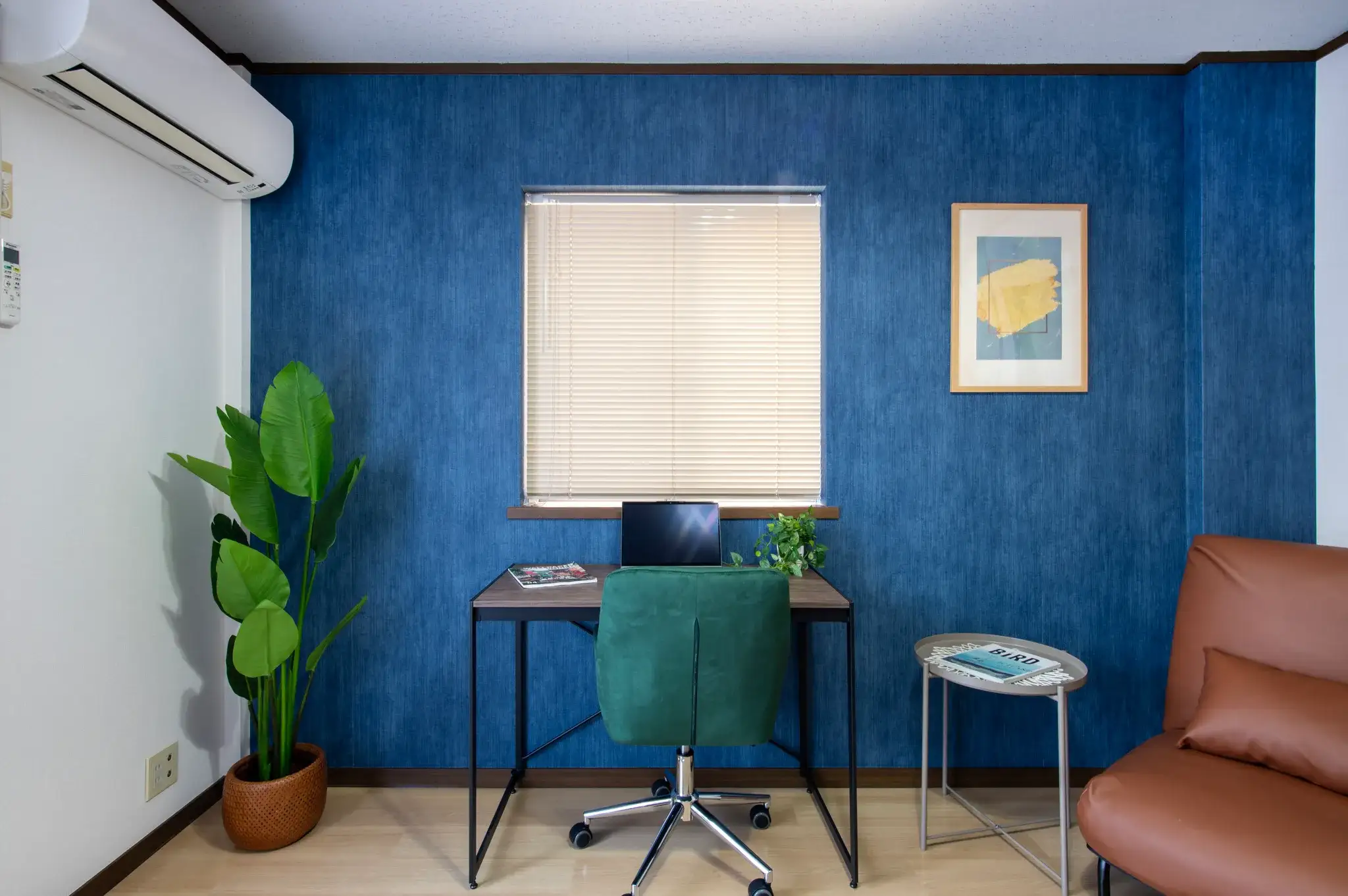
Appartamento arredato a Meguro
ML Meguro — 207
 Disponibile Ora¥30,000 OFF30g
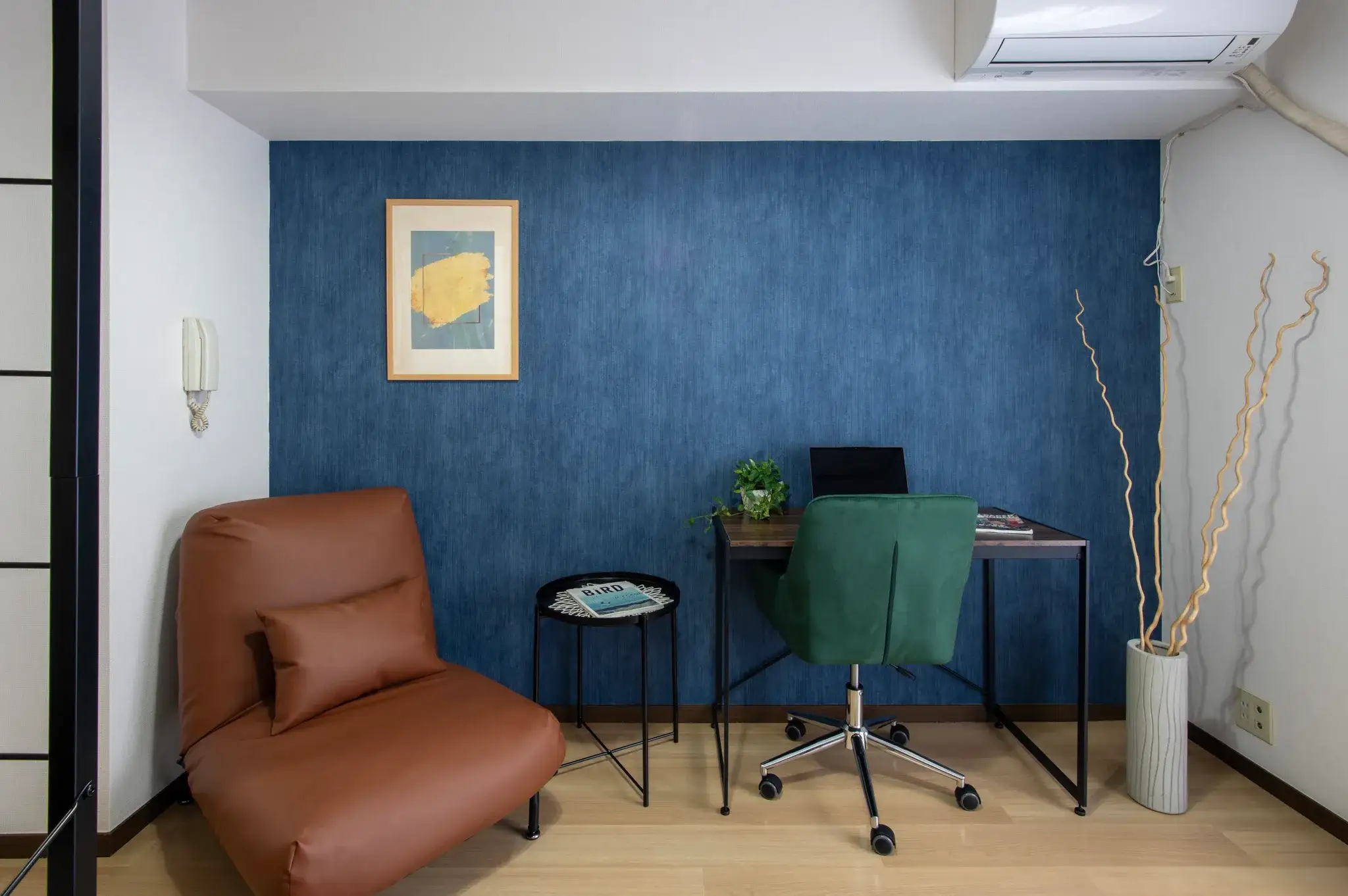
Appartamento arredato a Meguro
ML Meguro — 208 Disponibile Ora¥30,000 OFF30g
Appartamento arredato a Meguro
ML Meguro — 307