
English-Speaking Doctors in Tokyo — Complete Healthcare Guide for Foreigners

Moving to Tokyo is exciting, but figuring out healthcare in a new country can feel overwhelming. Finding a reliable english speaking doctor tokyo who understands your needs is one of the most important steps you'll take as a foreign resident. Whether you need a routine checkup, emergency care, or ongoing treatment, navigating Japan's healthcare system becomes much easier once you understand how it works and where to find quality medical care in English.
This guide covers everything you need to know about accessing healthcare in Tokyo as a foreigner, from enrolling in health insurance to finding the right clinic for your needs.
Understanding Japan's Healthcare System: Insurance Basics
Japan has one of the world's best healthcare systems, offering high-quality medical care at affordable prices. But there's a catch: you need health insurance to access these benefits, and enrollment is actually mandatory for all residents.
If you're working for a Japanese company, you'll automatically be enrolled in Employee Health Insurance (Shakai Hoken). Your employer handles the paperwork, and premiums are deducted from your salary. This typically covers 70% of your medical costs, with you paying the remaining 30%.

For freelancers, students, or those not enrolled in employer-based insurance, National Health Insurance (Kokumin Kenko Hoken) is required. You'll need to enroll at your local ward office within 14 days of registering your address. Bring your residence card, passport, and proof of address.
Good to Know: Monthly National Health Insurance premiums vary based on your income, age, and household size. Expect to pay ¥15,000-¥30,000 per month as a single person with average income. Students and low-income residents can apply for reductions at their ward office.
Once insured, you'll receive a health insurance card (Hokensho). Always bring this card to medical appointments—it's how clinics process your coverage. Without it, you'll pay the full cost upfront and need to file for reimbursement later, which is a hassle you want to avoid.
How to Find English-Speaking Doctors and Clinics in Tokyo
Tokyo has dozens of clinics and hospitals with English-speaking staff, concentrated in areas with large foreign populations. The key is knowing where to look and what resources to use.
Top Resources for Finding English-Speaking Medical Care
The Tokyo Metropolitan Health and Medical Information Center (Himawari) operates a hotline at 03-5285-8181 that provides information about medical facilities in English, Chinese, Korean, Thai, and Spanish. They can help you find nearby clinics based on your symptoms and language needs.
Online directories make searching even easier. The Japan Healthcare Info website maintains an updated list of English-friendly clinics sorted by specialty and location. The TELL Community's medical resources page is another excellent reference, particularly for mental health providers.
Many foreign residents recommend these specific clinics for their consistent English support:
- Tokyo Midtown Clinic (Roppongi) - Internal medicine, comprehensive health checks, all staff speak English
- Tokyo Medical and Surgical Clinic (Shiba Koen/Kamiyacho) - Established in 1935, internationally trained doctors, full range of specialties
- Seibo International Catholic Hospital (Shinjuku) - Emergency and inpatient care, Catholic Medical Mission runs dedicated international department
- Azabu Medical Clinic (Hiroo) - Primary care and internal medicine, popular with embassy staff
- Tokyo British Clinic (Ebisu) - British and Australian doctors, familiar approach for English speakers
Neighborhood Clinics vs. Large Hospitals
Japan's healthcare system emphasizes local clinics for routine care. These smaller practices handle everything from colds to chronic disease management. They're more affordable and easier to access than hospitals, which focus on serious conditions and referrals.
Visit a neighborhood clinic for regular checkups, minor illnesses, prescription refills, and health concerns. Only go to a hospital emergency room for genuine emergencies or when referred by your clinic doctor. Walking into a hospital without a referral often means longer waits and an extra fee of ¥5,000-¥10,000.
Understanding the difference between clinics and hospitals saves you time, money, and frustration in Japan's healthcare system
What to Expect at Your First Doctor Visit in Japan
Japanese medical appointments operate differently than in many Western countries. Knowing what to expect helps your first visit go smoothly.
Most clinics don't require appointments for regular visits—you simply walk in during business hours. Take a number, fill out a registration form, and wait your turn. English registration forms are usually available at international clinics. Bring your insurance card, residence card, and a list of any medications you're currently taking.
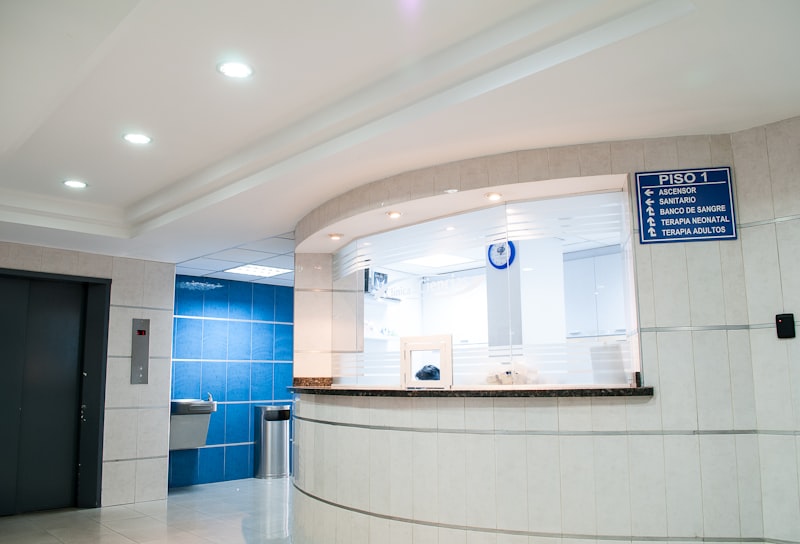
Wait times vary. Neighborhood clinics can be busy, especially Monday mornings and late afternoons. Bring a book or phone charger—waits of 30-60 minutes aren't unusual at popular clinics, though the actual consultation moves quickly once you're called.
The Consultation Process
Japanese doctors tend to be more reserved than Western physicians. Consultations are efficient, focused on diagnosis and treatment rather than lengthy explanations. Don't hesitate to ask questions if something isn't clear—doctors appreciate informed patients even if their communication style seems brief.
After your consultation, you'll pay at the reception desk. With insurance, typical costs are:
- Initial consultation: ¥900-¥1,500
- Follow-up visit: ¥600-¥900
- Basic blood test: ¥2,000-¥3,000
- X-ray: ¥1,500-¥2,500
The clinic provides a prescription, which you take to a separate pharmacy. Unlike many countries, Japanese clinics don't dispense medication directly (except for very small practices).
Pro Tip: Download a translation app before your appointment if you're visiting a clinic with limited English support. Google Translate's camera function works well for reading medical forms and prescription instructions.
Emergency Care: When and Where to Go
Medical emergencies don't wait for convenient hours. Tokyo has excellent emergency services, but knowing when and where to go is crucial.
For life-threatening emergencies—chest pain, severe bleeding, loss of consciousness, difficulty breathing—call 119 immediately. The ambulance service is free in Japan. Operators speak Japanese primarily, but can access translation services. State your address clearly and the nature of the emergency.
For urgent but non-life-threatening issues at night or weekends, Tokyo has dedicated emergency clinics. The Tokyo Metropolitan Government operates the Tokyo ER system, with information available at 03-5272-0303 (English available).
Major Hospitals with 24-Hour Emergency Departments
- St. Luke's International Hospital (Tsukiji) - Renowned for foreign patient care, comprehensive emergency services
- Japan Red Cross Medical Center (Hiroo) - Full emergency capabilities, some English support
- Tokyo Medical University Hospital (Shinjuku) - Advanced trauma care, international patient department
- International University of Health and Welfare Mita Hospital (Mita) - Modern facility with international department
Emergency room visits with insurance typically cost ¥3,000-¥8,000 for the initial consultation, plus additional fees for tests and treatment. Weekend and late-night visits include surcharges.
Prescription Medications and Pharmacies in Japan
Japan's pharmacy system is straightforward once you understand the basics. After receiving a prescription from your doctor, you take it to any pharmacy (not necessarily one near the clinic).
Look for the green cross symbol—that marks pharmacies (yakkyoku). Pharmacists review your prescription, prepare your medication, and explain proper usage. Many pharmacies near international clinics have English-speaking pharmacists, and medication instructions often include English translations.

Prescription costs with insurance are typically ¥500-¥2,000 for a two-week supply of common medications. You'll pay about 30% of the total cost. Some prescriptions can be written for up to three months, which is more cost-effective for ongoing medications.
Bringing Medications from Abroad
Japan has strict medication import regulations. Some common medications available over-the-counter abroad are prescription-only or even prohibited in Japan. This includes certain cold medicines containing pseudoephedrine, ADHD medications, and some pain relievers.
If you're bringing prescription medication into Japan, you may need a yakkan shoumei (import certificate). The Ministry of Health, Labour and Welfare website explains the process. Generally, you can bring up to a one-month supply of most prescription medications without special permission, but verify your specific medications before traveling.
Heads Up: Antidepressants, anti-anxiety medications, and stimulants require advance approval. Apply for a yakkan shoumei at least 2-3 weeks before arriving in Japan. The process is bureaucratic but necessary to avoid customs issues.
Mental Health Services for Foreigners in Tokyo
Mental healthcare is increasingly accessible in Tokyo, though it remains less openly discussed than physical health in Japanese society. Several excellent resources exist specifically for the international community.
TELL (Tokyo English Life Line) is the cornerstone of English-language mental health support in Tokyo. They operate a crisis hotline at 03-5774-0992 and offer professional counseling services. Their counselors understand the unique challenges of expat life and cultural adjustment.
English-Speaking Mental Health Professionals
Finding the right therapist or psychiatrist takes time, but Tokyo has numerous qualified professionals:
- Tokyo Counseling Services - Individual and couples therapy, multiple therapists with different specializations
- Meguro Counseling Center - Psychologists and licensed counselors, accepts national health insurance for some services
- Ichikawa English Counseling - Clinical psychologist specializing in expat mental health
- TMC Mental Health Clinic - Psychiatric care, medication management, works with insurance
Mental health coverage under Japan's national health insurance has improved. Psychiatric consultations and some counseling services are covered at the standard 30% copay rate. However, private therapy sessions may not be covered, with costs ranging from ¥8,000-¥15,000 per session.
Many foreigners find that securing accommodation in a supportive community helps their overall wellbeing during the transition to Tokyo life. Living in a sharehouse or serviced apartment where management understands foreign residents' needs—from helping navigate healthcare systems to providing English support—reduces stress during those crucial first months in Japan.
Making Healthcare Access Easier in Tokyo
Navigating Tokyo's healthcare system becomes straightforward once you understand the basics: enroll in insurance immediately, use local clinics for routine care, keep your insurance card with you always, and build relationships with English-speaking providers you trust.
The quality of medical care in Japan is exceptional, and costs remain reasonable compared to many countries. Take time to find an english speaking doctor tokyo you feel comfortable with—this relationship becomes invaluable when health issues arise.
Remember that healthcare access is just one piece of settling into Tokyo successfully. At Modern Living Tokyo, our furnished apartments and sharehouses are designed to ease your transition, with locations near international clinics, English-speaking staff who can help with medical appointments, and a community of residents who've navigated these same challenges. When your living situation supports your wellbeing, everything else—including managing your health—becomes that much simpler.
Modern Living Tokyo
Related Articles
 Lifestyle
Practicing Martial Arts in Tokyo: A Foreigner's Guide to Dojos & Training
A practical guide to training martial arts in Tokyo as a foreigner — covering top dojos, costs, etiquette, visa options, and the best wards to live in.
 Modern Living TokyoRead more →
 Lifestyle
Gaming in Tokyo: Arcades, Retro Shops & the Foreigner's Guide
Tokyo is a paradise for gamers — from Akihabara arcades to retro shops in Nakano. Here's your complete foreigner's guide to gaming in Tokyo.
Modern Living TokyoRead more → Lifestyle
Tokyo Rainy Season Living Guide: Tsuyu Survival Tips
Survive Tokyo's rainy season with practical tips on mold prevention, guerrilla rainstorms, what to buy, and how to actually enjoy tsuyu. A must-read for...
Modern Living TokyoRead more →Featured properties
 Occupied
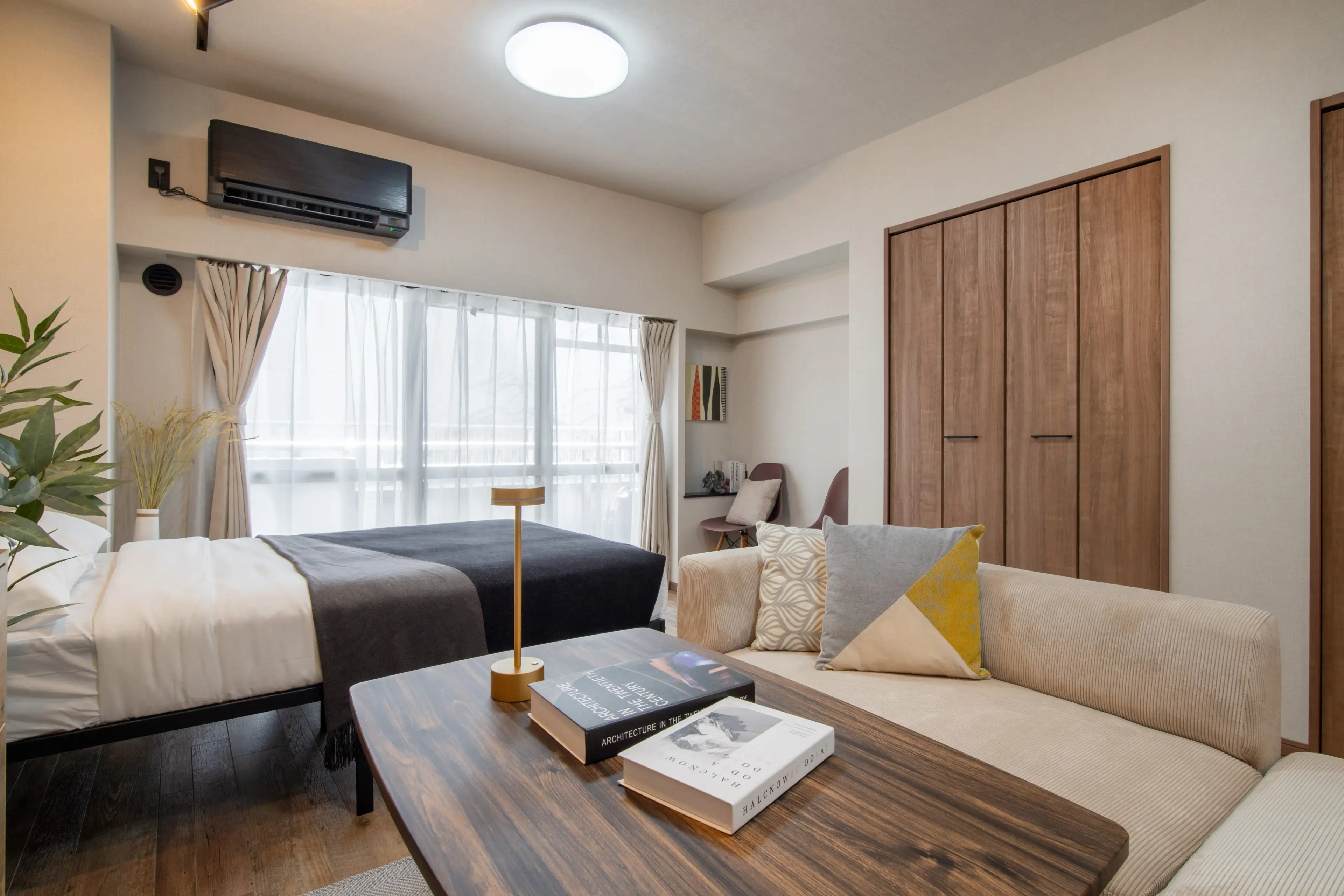
Fully Furnished Apartment 20 Min to Takadanobaba
Iidabashi High Town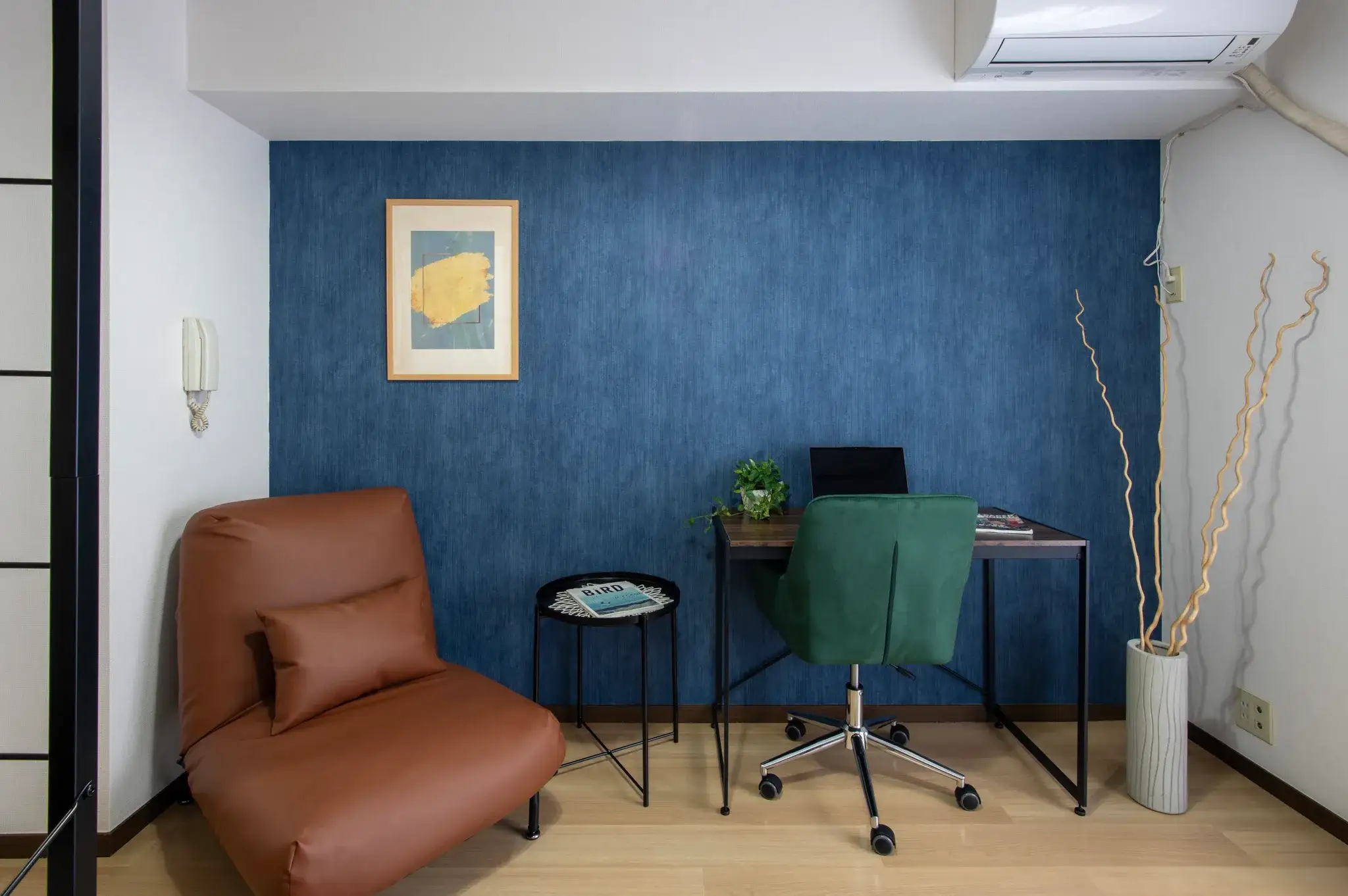 Possibly from Dec 3, 2026
Furnished apartment in Meguro
ML Meguro — 208
 Available Now
Furnished apartment in Shinagawa
Beverly Homes Nishikoyama — 103