
Furnishing Your Tokyo Apartment: What You Actually Need

The Japanese Apartment: Smaller Than You Think
If you're serious about furnishing apartment Tokyo-style, the first thing you need to do is recalibrate your sense of space. A "1K" apartment — the most common type rented by foreigners — typically measures between 20 and 30 square meters total. That includes your kitchen area, bathroom, and living space combined.
To put that in perspective, a standard Western queen bed (1.5m × 2m) can easily eat up a quarter of your entire floor plan. Furniture decisions that seem obvious back home can become genuine problems here.
Before you buy a single item, measure your room carefully. Note the location of windows, the direction your sliding doors open, and — critically — where your air conditioning unit sits. These details will shape almost every purchase you make.

Must-Have Items: Day 1 Essentials
On your first night, you need exactly four things: something to sleep on, a way to stay warm or cool, a way to cook or reheat food, and a way to do laundry. Everything else can wait.
Here's what to prioritise in your first week:
- Futon or bed: A floor futon set (shikibuton + kakebuton) costs around ¥8,000–¥15,000 at Nitori and stores flat when not in use — perfect for small spaces. A basic single loft bed runs ¥15,000–¥30,000.
- Air conditioner: Most apartments have one built in. If yours doesn't, this is a non-negotiable — Tokyo summers are brutal and winters are colder than people expect.
- Washing machine: Budget ¥25,000–¥45,000 new at Yamada Denki or Yodobashi Camera. Japanese apartments almost never include one.
- Mini fridge: A 100–150L unit costs ¥15,000–¥25,000 and is perfectly sufficient for one person. Brands like Aqua and Sharp are reliable and widely available.
- Rice cooker or electric kettle: Pick one based on how you cook. A basic rice cooker from Panasonic runs about ¥3,000–¥5,000.
- Curtains: Often overlooked, but Japanese apartments rarely include them. Without curtains on Day 1, you have no privacy — neighbours are close.
- Wi-Fi router or pocket Wi-Fi: Apply for home broadband (Softbank Hikari, NTT) the week you move in. It can take 2–4 weeks to install, so get a pocket Wi-Fi as a bridge.
Pro Tip: Buy curtains before you sleep in your new apartment. Measure your windows in advance and pick them up from Nitori or IKEA Shinonome. A complete curtain set runs ¥2,000–¥6,000 and makes a huge difference to your first night's comfort.
Where to Buy: Budget Stores Ranked
Tokyo has excellent options for furnishing on a budget. Here's a practical breakdown of where to shop, from cheapest to most stylish.
1. Nitori (ニトリ)
This is Japan's answer to IKEA, and for most people it's the first stop. Prices are very reasonable, quality is solid, and the staff can help you calculate exactly what fits. Major stores are located in Nishi-Kasai, Koto-ku, and Tachikawa. Delivery is available and affordable (around ¥3,300 per order).
2. IKEA Japan
There are two Tokyo-area stores: IKEA Shinonome (Koto-ku, very central) and IKEA Tachikawa. Prices are competitive, and the range of compact furniture designed for small spaces is genuinely excellent. Assembly is required for most pieces, but instructions are clear.
3. Don Quijote (ドン・キホーテ)
"Donki" is chaotic, noisy, and open until 2am or 24 hours. It's also surprisingly good for small appliances, bedding, and bathroom items at low prices. Don't go here for furniture, but do go for fans, kitchen gadgets, and cleaning supplies.
4. Daiso / Seria / Can★Do
Japan's ¥100 shops are genuinely excellent. Stock up on kitchen tools, hangers, storage boxes, cleaning supplies, and organisers. You can easily spend ¥5,000–¥8,000 at Daiso and furnish your kitchen completely. Seria in particular has surprisingly stylish home goods.
5. Yamada Denki / Yodobashi Camera / Bic Camera
For electronics and appliances — washing machines, fridges, microwaves — these are the major chains. Staff can speak basic English at larger locations, and they offer delivery and sometimes installation. Compare prices online first using Kakaku.com.

What NOT to Buy: Common Mistakes
First-timers often spend money on things they don't need — or buy items that simply don't fit the Japanese lifestyle. Here's what to skip.
- A large Western-style sofa: In a 1K apartment, a big sofa will dominate the room entirely. A floor cushion (zaisu) or a small loveseat works far better and costs a fraction of the price.
- A full dining table and chairs: Most Tokyo residents eat at a low kotatsu table or a small folding table. A four-person dining set in a 25m² apartment is a logistical nightmare.
- A dryer machine: Japanese apartments typically don't have the plumbing hookups for a separate dryer. A combination washer-dryer works but is expensive. Most residents air-dry on the veranda pole (物干し竿, monohoshi-zao).
- Oversized bedding from home: Western king and queen bedding doesn't fit Japanese mattress sizes. Buy locally to avoid frustration.
- A full-size microwave oven: A compact microwave/oven combo (オーブンレンジ) is far more practical and fits standard Japanese counter space. Full-size units often don't fit the built-in shelf above the stovetop.
"The biggest furnishing mistake in Tokyo isn't buying the wrong thing — it's buying too much of the right thing."
Furnished vs Unfurnished: The Math on Furnishing Apartment Tokyo
If you're debating between a furnished and unfurnished apartment, it's worth running the numbers honestly. Setting up an empty 1K apartment from scratch costs more than most people budget for.
Here's a realistic estimate for a basic setup:
- Futon set or bed frame + mattress: ¥15,000–¥35,000
- Washing machine: ¥25,000–¥45,000
- Fridge (100–150L): ¥15,000–¥25,000
- Curtains (all windows): ¥5,000–¥12,000
- Kitchen items, Daiso run: ¥5,000–¥10,000
- Storage, hangers, basics: ¥5,000–¥8,000
- Cleaning supplies: ¥3,000–¥5,000
- Delivery fees across multiple purchases: ¥5,000–¥10,000
That's before you've paid key money, a deposit, agency fees, or your first month's rent. For short- to medium-term stays (one week to two years), a furnished apartment or sharehouse often makes far better financial sense.
Good to Know: Furnished apartments and sharehouses in Tokyo typically include not just furniture, but also a washing machine, fridge, Wi-Fi, and sometimes utilities — all in one monthly payment. For newcomers, this removes a huge amount of logistical stress during an already busy time.
Second-Hand and Free Options in Tokyo
Tokyo has a thriving second-hand market, and it's genuinely possible to furnish an entire apartment for very little money if you're willing to look around.
Hard Off / Off House
These are Japan's best second-hand chain stores. Hard Off focuses on electronics and appliances; Off House covers furniture, kitchenware, and clothing. You can find working washing machines for ¥5,000–¥15,000 and furniture in excellent condition. Locations in Edogawa, Adachi, and outer Tokyo areas tend to have the best stock.
Mercari & Yahoo! Auctions
Japan's two dominant second-hand apps. Mercari (メルカリ) is the easier one for beginners — the app has an English mode and many listings ship nationwide. Search for "冷蔵庫" (fridge), "洗濯機" (washing machine), or "ベッド" (bed) to get started. Pickup-only listings in your area are often the cheapest.
Jimoty (ジモティー)
This is Japan's version of Craigslist — local listings for free or very cheap items. People post furniture they can't take with them when they move. The catch is you need to collect it yourself, but free is free. Search by your ward (区, ku) for the best local results.
Sayonara Sales
Facebook groups like "Sayonara Sale Tokyo" are filled with expats leaving Japan who are selling entire apartment sets — sometimes including washing machines, fridges, beds, and kitchen equipment — all at once. This is one of the best-kept secrets for newcomers. Search Facebook for "sayonara sale tokyo" and join a few groups before you move.

Final Thoughts
Furnishing a Tokyo apartment is genuinely manageable if you plan ahead, buy small, and resist the urge to over-purchase in your first week. Start with the true essentials, use Nitori and Daiso as your foundation, and fill in the gaps slowly as you learn how you actually use your space.
That said, the smartest move for many people — especially those arriving in Tokyo for the first time, or staying for less than two years — is to skip the furnishing process entirely. At Modern Living Tokyo, our furnished apartments and sharehouses come fully equipped from Day 1: beds, appliances, Wi-Fi, and everything in between. You arrive with your suitcase and start living — no delivery windows, no assembly required, no ¥150,000 upfront spend.
Whether you go furnished or unfurnished, Tokyo is a city that rewards preparation. Take the time to plan your space well, and you'll be surprised how comfortable even the smallest apartment can become.
Modern Living Tokyo
Related Articles
 Moving Guide
What to Do in Your First Week in Tokyo: A Day-by-Day Checklist
Just arrived in Japan? This day-by-day first week Tokyo checklist covers registration, banking, SIM cards, and more — so you can settle in fast.
 Modern Living TokyoRead more →
 Moving Guide
How to Apartment-Hunt in Tokyo: A Newcomer's Strategy Guide (2026)
A practical, step-by-step guide to apartment hunting in Tokyo for foreigners — covering budgets, train lines, upfront costs, and the fastest way to find...
Modern Living TokyoRead more → Moving Guide
What Is a Monthly Mansion in Tokyo? Complete Beginner's Guide
A complete beginner's guide to monthly mansions in Tokyo — what they are, how much they cost, and whether one is right for your stay in Japan.
Modern Living TokyoRead more →Featured properties
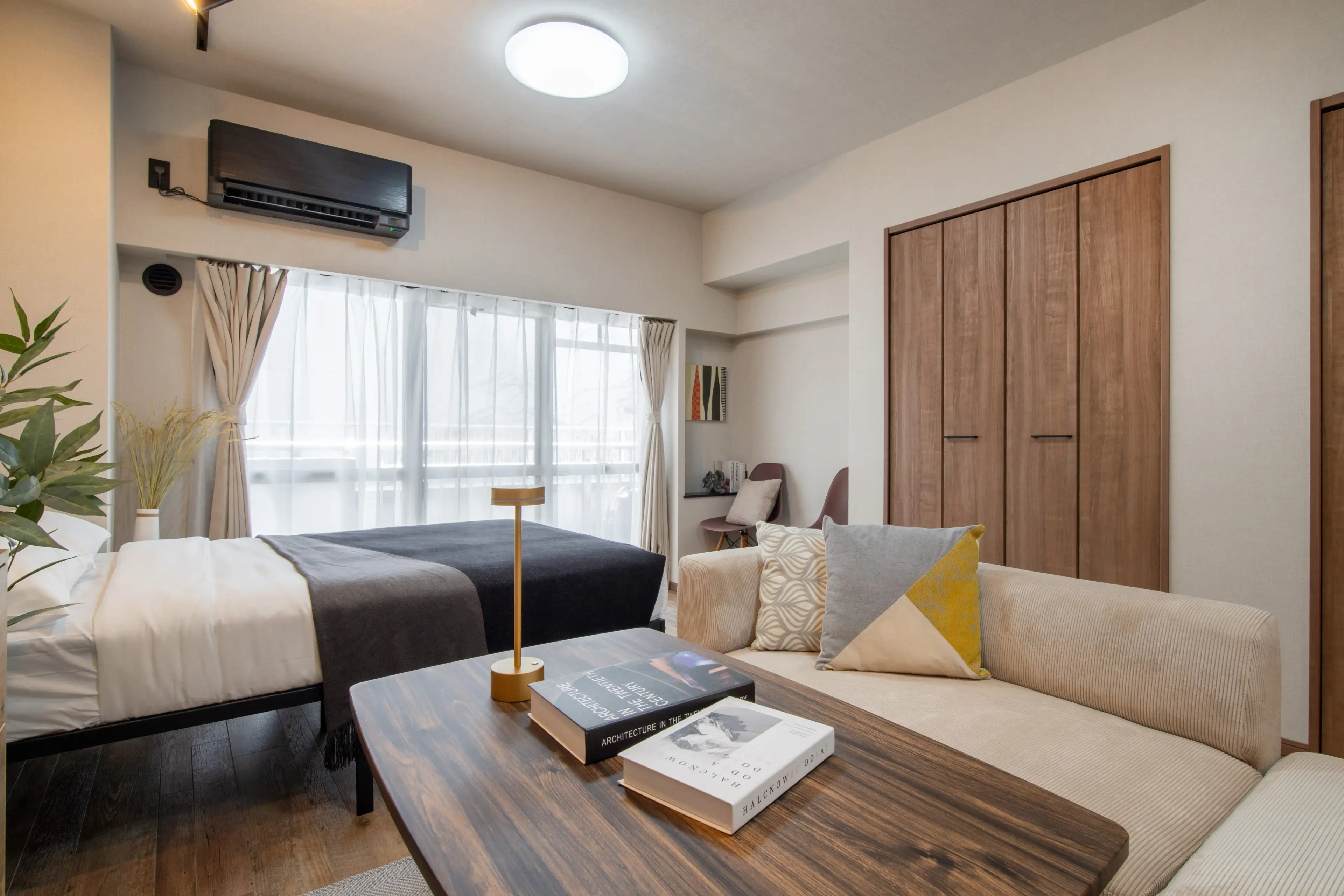 Occupied
Fully Furnished Apartment 20 Min to Takadanobaba
Iidabashi High Town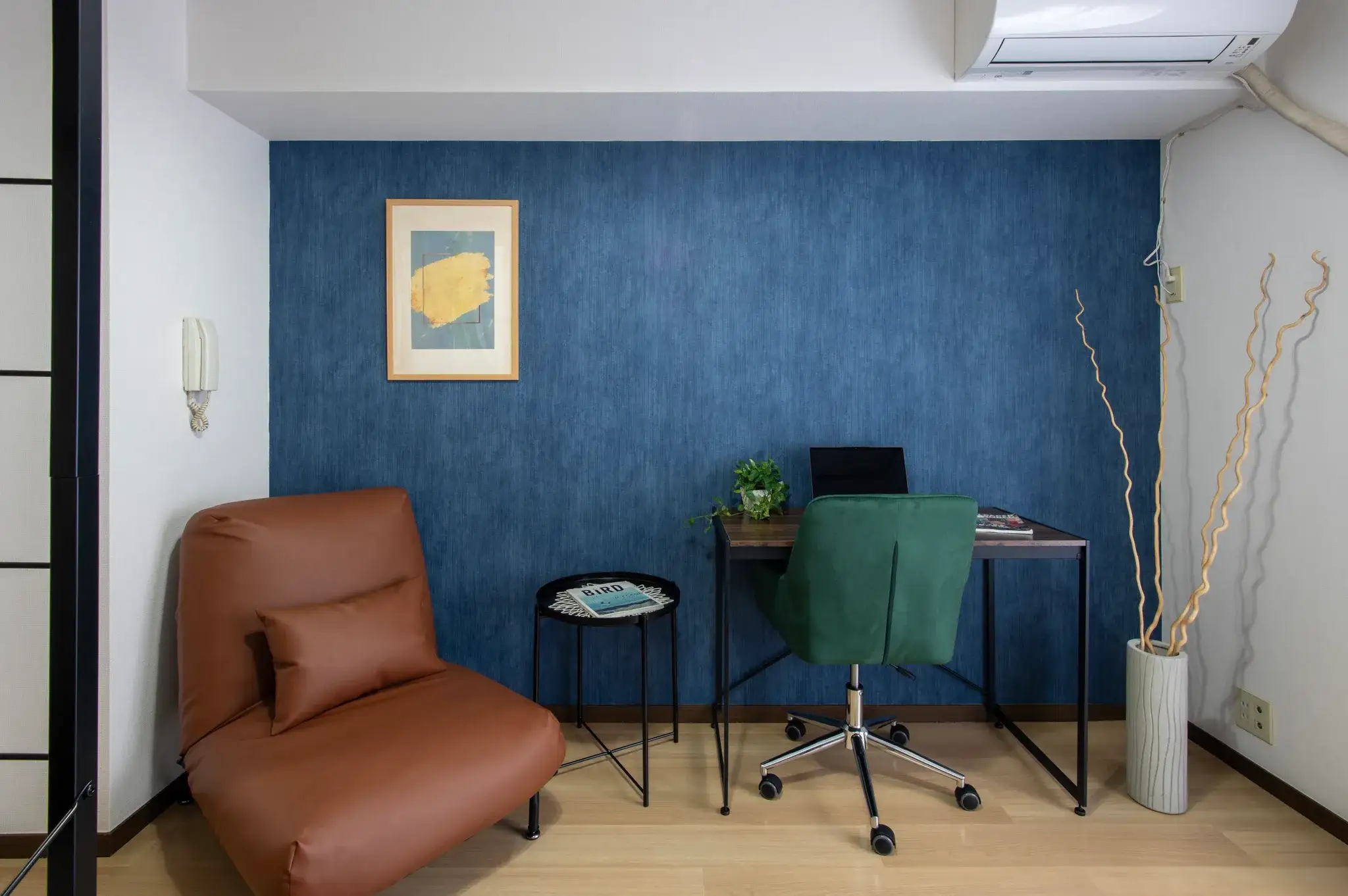 Possibly from Dec 3, 2026
Furnished apartment in Meguro
ML Meguro — 208
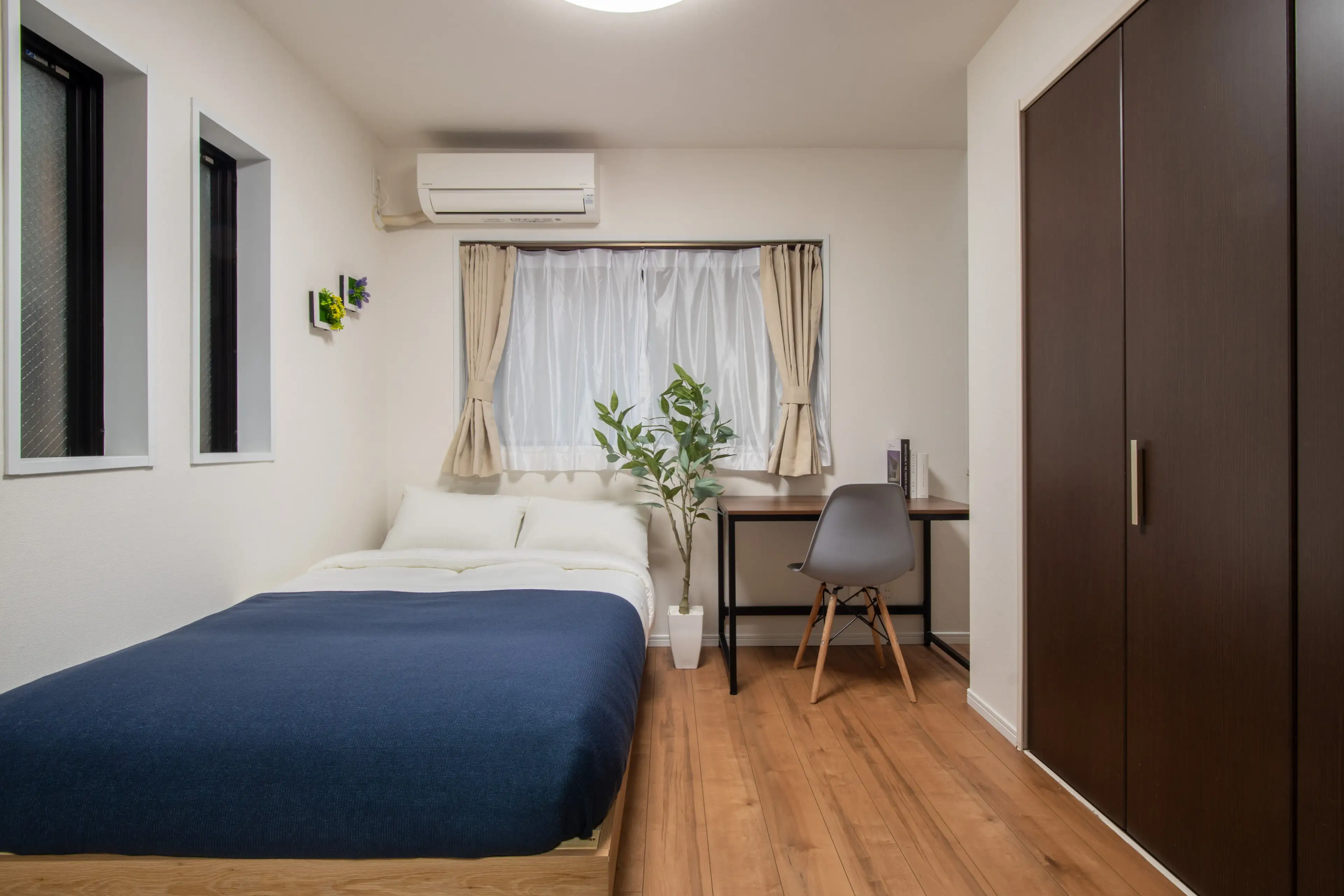 Available Now
Furnished apartment in Shinagawa
Beverly Homes Nishikoyama — 103