
How to Rent a Furnished Apartment in Tokyo: Step-by-Step Guide (2026)

Why a Furnished Apartment in Tokyo Beats Starting from Scratch
Renting a furnished apartment in Tokyo is one of the smartest moves a newcomer to Japan can make. Instead of spending your first weekend hunting for a bed frame at Ikea Shinonome and arguing with a flat-pack instruction sheet, you simply unlock the door and start living.
Furnished apartments come equipped with the essentials — bed, desk, washing machine, refrigerator, microwave, and often Wi-Fi already connected. For someone arriving from overseas, that convenience is worth its weight in moving boxes you never have to buy.
Beyond comfort, the financial case is strong. A typical unfurnished apartment in Tokyo requires ¥150,000–¥300,000 in furniture purchases alone, on top of the already steep move-in costs. A furnished unit eliminates that upfront hit entirely.

Documents You'll Need — and the No-Guarantor Path
The traditional Japanese rental market is notoriously paperwork-heavy and can feel hostile to foreigners. The good news is that the furnished apartment and sharehouse market in Tokyo has evolved specifically to make things easier.
Standard Documents for Most Furnished Rentals
- Passport — always required
- Residence Card (在留カード / Zairyu Card) — issued at the airport on arrival for most visa types
- Proof of income or employment — a job offer letter, employment contract, or recent pay slips
- Bank account details — a Japanese account is preferred, but some operators accept overseas transfers initially
- Emergency contact — a person in Japan or abroad who can be reached if needed
The No-Guarantor Option
One of the biggest barriers for foreigners renting in Japan is the guarantor (保証人) requirement. Traditional landlords want a Japanese national to co-sign your lease — which most newcomers simply don't have.
Many furnished apartment operators and sharehouse companies have solved this by partnering with rent guarantee companies (家賃保証会社) such as LICC, Saison Rent Guarantee, or Global Trust Networks (GTN). GTN in particular specialises in foreign residents and is widely accepted across Tokyo.
When searching, look explicitly for listings labelled 保証人不要 (hoshounin fuyou) — "no guarantor required." This is now standard among furnished and serviced apartment providers targeting international tenants.
Pro Tip: Global Trust Networks (GTN) can act as your guarantor company even before you have a Japanese bank account or credit history. Apply online in English at gtn-online.com — approval typically takes 1–3 business days.
Step 1: Set Your Budget, Dates & Preferred Area
Before you open a single listing, get three things clear: how much you can spend, when you need to move in, and which neighbourhood fits your lifestyle.
Budget Benchmarks (2026)
- Sharehouse room: ¥50,000–¥80,000/month (utilities often included)
- Furnished studio (1K/1R): ¥70,000–¥120,000/month in central areas
- Furnished 1LDK: ¥120,000–¥200,000/month depending on ward
Remember to factor in monthly fees beyond rent: building management fee (管理費, kanrihi) of ¥3,000–¥10,000, and the guarantor company fee (usually the equivalent of one month's rent as a one-time setup cost, then 1–2% of monthly rent per year).
Choosing Your Area
Tokyo is vast. Narrow your search by thinking about your daily commute first, then lifestyle priorities.
- Shinjuku / Shibuya: central, great transport links, buzzy nightlife — pricier
- Nakameguro / Shimokitazawa: creative, walkable, popular with expats
- Koenji / Asagaya: affordable, artsy, strong local community
- Shin-Okubo / Itabashi: diverse international communities, lower rents
- Koto-ku / Edogawa-ku: newer builds, quieter, easy access to central Tokyo via subway
Also decide on your minimum contract length. Many furnished apartments offer terms as short as one month, while standard Japanese leases run two years. If you're uncertain about your stay length, prioritise flexibility over price.
Step 2: Browse Listings and Book a Viewing
Several platforms cater specifically to English-speaking renters looking for furnished apartments and sharehouses in Tokyo.
- Sakura House (sakura-house.com) — one of the largest sharehouse and furnished apartment networks
- Oakhouse (oakhouse.jp/eng) — well-established, English interface
- Suumo / Homes.jp — Japan's largest portals; filter for 家具付き (furnished) and 外国人入居可 (foreigners welcome)
- GaijinPot Housing — English listings, strong foreigner focus
- Borderless House — international sharehouse specialist
Once you shortlist properties, book a viewing. Many operators now offer virtual tours via video call for applicants still overseas — ask for this if you haven't arrived yet. On-site viewings are recommended when possible so you can check the neighbourhood feel, natural light, and noise levels.

"In Tokyo's rental market, the foreigner-friendly furnished apartment sector has quietly built an entirely parallel system — one that skips the guarantor, skips the key money, and skips the language barrier."
Step 3: Sign the Contract and Pay the Move-In Costs
Once your application is approved, you'll receive a contract to review. For furnished apartments targeting foreigners, this is often available in English or with an English summary. Read it carefully — specifically check:
- Contract length and renewal terms
- Early termination clause — penalties if you leave before the minimum period
- What's included — utilities, internet, cleaning fees
- Security deposit amount and conditions for return
Typical Move-In Costs for a Furnished Apartment
- Security deposit (敷金): 1–2 months' rent (some operators charge zero)
- Key money (礼金): often zero with furnished/foreigner-friendly operators (traditional rentals can charge 1–2 months)
- Agency fee (仲介手数料): up to 1 month's rent if you use a real estate agent; often zero when renting directly from an operator
- Guarantor company fee: typically 50–100% of one month's rent as a one-time fee
- First month's rent + pro-rated days
Total move-in cost for a ¥80,000/month furnished apartment can range from ¥80,000 (minimal fees, direct booking) to ¥240,000 (with deposit and guarantor fee). Always ask operators for a complete fee breakdown before signing.
Heads Up: Some listings advertise low rents but charge high "admin fees" or monthly cleaning fees that aren't obvious upfront. Always request a 初期費用明細 (shoki hiyou meisai) — an itemised list of all initial costs — before you commit.
Step 4: Move In and Register at City Hall
Moving day in a furnished apartment is blissfully simple. The keys are handed over, and your home is ready to use immediately. But there's one administrative task you cannot skip: registering your address at your local city hall (区役所 / 市役所).
Why You Must Register
Under Japanese law, all foreign residents must register their address within 14 days of moving. This isn't optional — it affects your access to healthcare under the national health insurance system, your ability to open a bank account, and various other services.
How to Register (Step by Step)
- Go to the ward office (区役所) covering your new address. For example, if you live in Shibuya, go to Shibuya City Hall on Udagawacho.
- Bring your passport, Residence Card, and your new address written down (in Japanese if possible — your landlord or operator can help).
- Complete the 住民登録 (Jumin Toroku) — resident registration form. Many ward offices now have English-speaking staff or translation tablets.
- Your Residence Card will be stamped with your new address on the spot.
- While there, also sign up for National Health Insurance (国民健康保険) if your employer doesn't cover you — it caps most medical costs at 30% out of pocket.

Common Mistakes to Avoid When Renting a Furnished Apartment in Tokyo
Even with the best preparation, it's easy to stumble. Here are the pitfalls that catch newcomers most often:
- Skipping the contract fine print — early termination fees can be steep. Know your exit before you sign your entry.
- Assuming all "furnished" listings are equal — some include only a bed and nothing else. Confirm the exact inventory: refrigerator, washing machine, cooking equipment, Wi-Fi router.
- Not checking commute times realistically — Google Maps transit mode is your friend. Test the commute at rush hour (8–9am), not at noon.
- Missing the 14-day registration window — failure to register can complicate your visa renewal and access to public services.
- Ignoring noise and building rules — Japanese apartment buildings often have strict quiet hours (10pm onwards). Check the building rules (管理規約) before signing, especially if you work late shifts or entertain guests.
- Not asking about garbage disposal rules — each neighbourhood has designated garbage collection days and strict sorting rules. Your building manager or operator should explain this on move-in day.
- Forgetting to get renter's insurance (火災保険) — usually required by the contract anyway, but some renters overlook setting it up. Japan Post Insurance or Chubb Japan offer affordable plans from around ¥1,500/month.
Ready to Find Your Furnished Apartment in Tokyo?
Renting in Tokyo as a foreigner is genuinely manageable when you know the steps — and the furnished apartment route removes most of the traditional obstacles: no key money, no guarantor headaches, no furniture shopping marathon, and often a contract you can actually read.
The process boils down to: know your budget and area, use platforms designed for international residents, verify all fees upfront, sign carefully, and register at city hall within two weeks of arrival. Do those five things and you'll be settled and comfortable faster than most people imagine.
At Modern Living Tokyo, we offer a range of furnished apartments and sharehouses across central Tokyo designed specifically for international residents — with English support, flexible contract lengths, and a no-guarantor process. Browse our current listings or get in touch with our team to find the right fit for your move.
Modern Living Tokyo
Related Articles
 Moving Guide
How to Rent a Monthly Mansion in Tokyo: 2026 Step-by-Step Booking Guide
A practical 2026 step-by-step guide to renting a monthly mansion in Tokyo — documents, booking, move-in tips, and pitfalls to avoid.
 Modern Living TokyoRead more →
 Moving Guide
How to Apartment-Hunt in Tokyo: A Newcomer's Strategy Guide (2026)
A practical, step-by-step guide to apartment hunting in Tokyo for foreigners — covering budgets, train lines, upfront costs, and the fastest way to find...
Modern Living TokyoRead more → Moving Guide
Japan Digital Nomad Visa: Tokyo Living Guide 2026
Everything you need to know about Japan's digital nomad visa in 2026 — eligibility, banking, the best Tokyo neighborhoods, and how to find accommodation...
Modern Living TokyoRead more →Featured properties
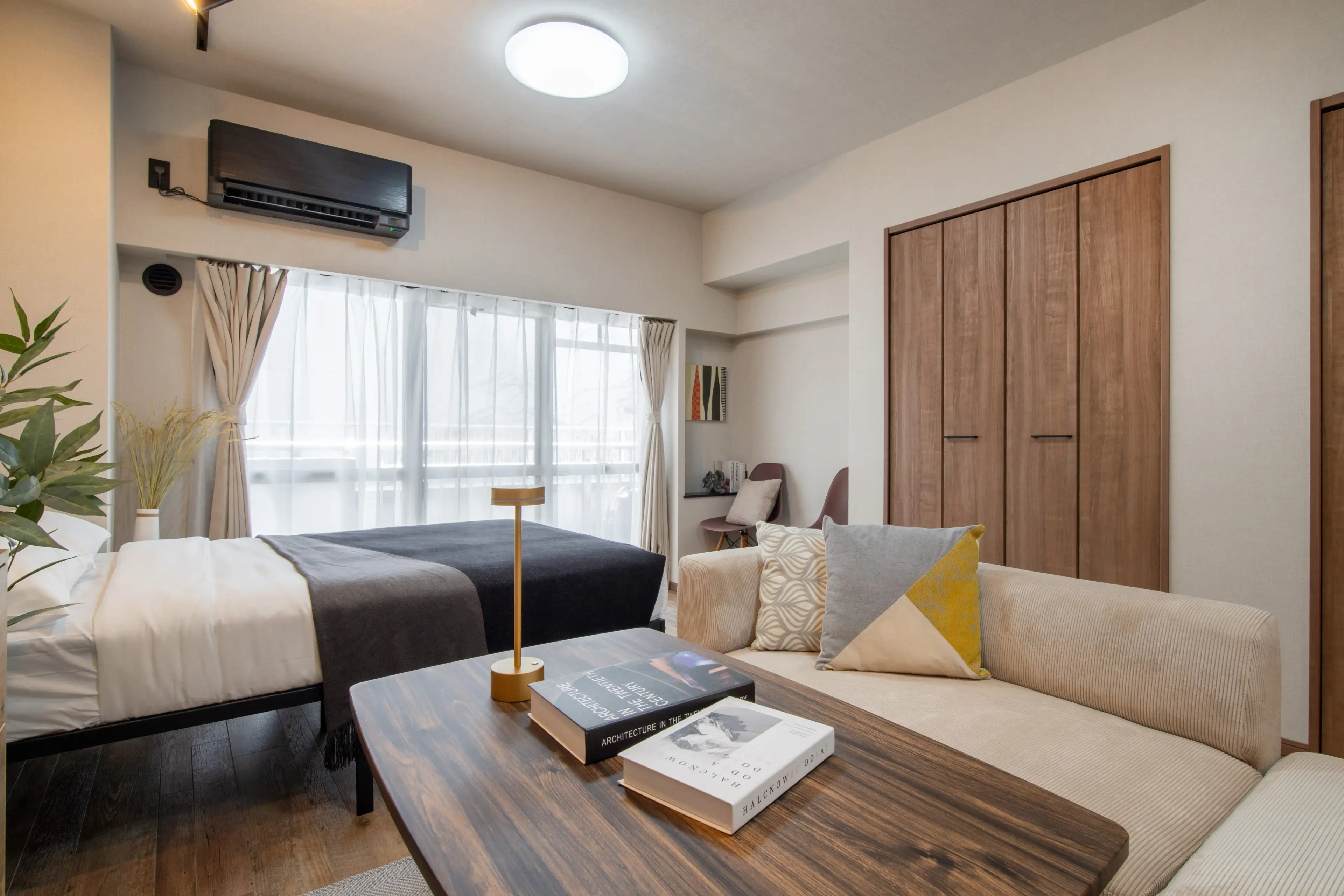 Occupied
Fully Furnished Apartment 20 Min to Takadanobaba
Iidabashi High Town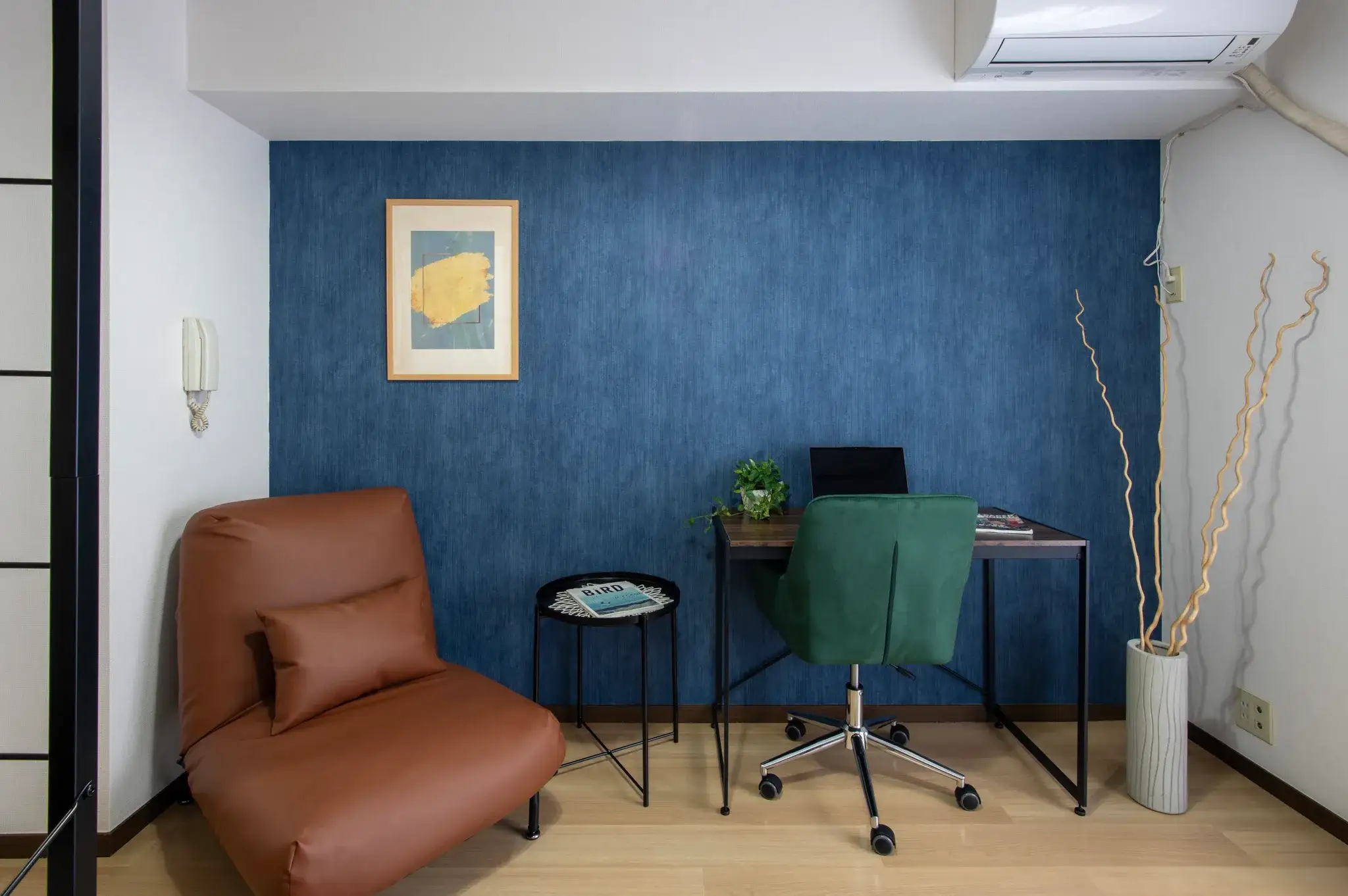 Possibly from Dec 3, 2026
Furnished apartment in Meguro
ML Meguro — 208
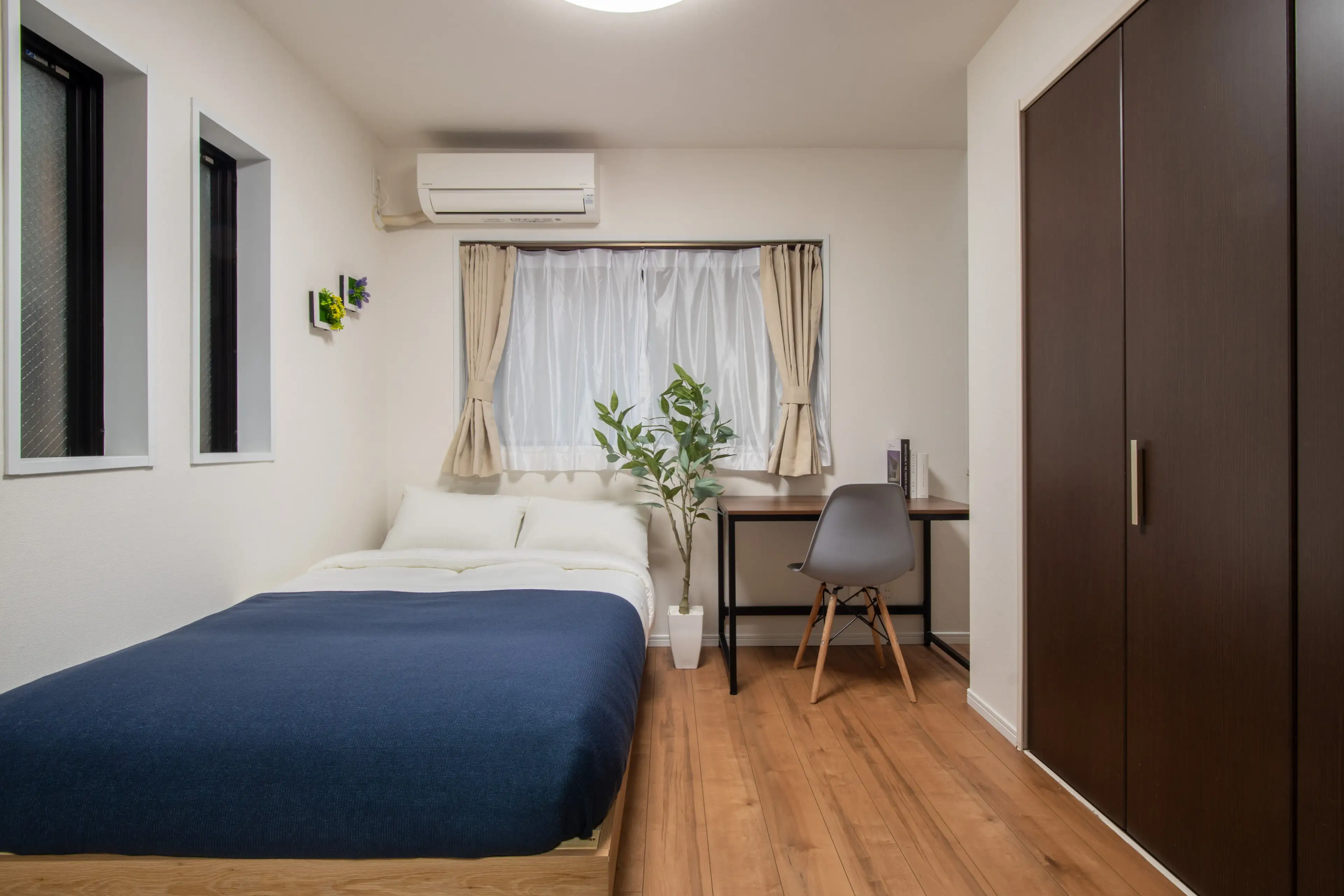 Available Now
Furnished apartment in Shinagawa
Beverly Homes Nishikoyama — 103