
Japanese Apartment Floor Plans Decoded: 1K vs 1DK vs 1LDK vs 2LDK

The Japanese Apartment Floor Plan Code: What Those Letters Actually Mean
If you've spent even five minutes browsing Tokyo apartment listings, you've already encountered the japanese apartment floor plan naming system — and probably felt confused. 1K, 2DK, 1LDK... what does any of it mean? Don't worry. Once you crack the code, reading listings becomes fast and intuitive.
The letters describe the rooms beyond the bedroom(s). Here's the quick breakdown:
- K (Kitchen) — A small kitchen area, usually under 4.5 tatami mats (~7㎡), with no real dining space.
- DK (Dining Kitchen) — A combined dining and kitchen space. For a 1-bedroom unit, the DK is typically 4.5–8 tatami mats (~7–13㎡).
- LDK (Living Dining Kitchen) — A fully combined living, dining, and kitchen area. For a 1-bedroom, it must be at least 8 tatami mats (~13㎡). For 2+ bedrooms, at least 10 tatami mats (~16㎡).
The number in front tells you how many separate bedrooms there are. So a 2LDK means two bedrooms plus a living-dining-kitchen area. Simple once you see it laid out.
Good to Know: These definitions are actually standardized by the Ministry of Land, Infrastructure, Transport and Tourism. A room can only be called an "L" (living room) if the total combined space meets the minimum tatami mat requirements. Some listings bend these rules — more on that below.
Real Square Meters by Layout: What You Actually Get
Understanding the labels is one thing. Knowing what that means for your daily life is another. Here's a realistic guide to what each layout looks like in Tokyo, where space comes at a premium.
1K — The Classic Solo Starter
A 1K is typically 18–28㎡ in total. You get one room for sleeping and living, plus a separate (but tiny) kitchen area, usually separated by a small entryway or sliding door. The kitchen counter might fit a single-burner stove and a mini-fridge. That's it.
1DK — A Little More Room to Breathe
Expect 25–35㎡. The DK space is large enough for a small table and two chairs. You can actually sit down and eat a meal without sitting on your bed. Common in older buildings from the 1970s–90s.
1LDK — The Sweet Spot for One or Two People
Usually 35–50㎡. The LDK area functions as a proper living room — you can have a sofa, a dining table, and a real kitchen. The separate bedroom keeps your sleeping space private. This is the most popular layout for young professionals in Tokyo.
2LDK — Room for Two (or a Small Family)
Typically 50–70㎡. Two bedrooms plus a full LDK. This works well for couples who both work from home, a small family, or two close friends sharing costs. In central Tokyo wards like Shibuya or Minato, expect to pay significantly for this space.

1K vs 1DK vs 1LDK: Which Layout Suits Your Life?
The right layout depends entirely on how you actually live — not just how many people are in the apartment.
Best for Solo Expats on a Budget: 1K
If you're single, work long hours, and mostly sleep and change clothes at home, a 1K does the job. Many people starting out in Tokyo — especially in central areas like Shinjuku, Shibuya, or Ebisu — choose 1K apartments to keep costs low while enjoying a great neighborhood.
Best for Solo Professionals Who Cook: 1DK or 1LDK
If you work from home, cook regularly, or just need a sofa that isn't also your bed, step up to a 1DK or 1LDK. The physical separation between your kitchen/living space and your bedroom is genuinely good for your mental health when you live alone.
Best for Couples: 1LDK or 2LDK
A 1LDK is manageable for two people with a shared lifestyle. But if you work from home, have different schedules, or simply value having your own space, a 2LDK is worth the extra cost. Privacy matters more than people expect when they move in together.
Best for Families or Sharers: 2LDK and Above
A 2LDK with 55–65㎡ works for a couple with one child or two unrelated adults sharing expenses. If you're considering a sharehouse as a stepping stone before committing to a larger apartment lease, that's also a smart move — especially when you're new to Tokyo and still figuring out which neighborhood suits you best.
"In Tokyo, the difference between a 1K and a 1LDK isn't just square meters — it's the difference between sleeping in your living room and actually having a life in your home."
How Listings Lie About Size (And What to Watch Out For)
Here's something Tokyo apartment listings won't tell you upfront: the stated square footage often includes spaces you can't really use.
The total floor area listed (専有面積, sen'yū menseki) typically includes your entryway (genkan), closets, the bathroom, and sometimes even the balcony. Your actual liveable space may be 10–15% smaller than advertised.
- Wall thickness counts in some measurements but not others
- Loft spaces (ロフト) are sometimes listed as additional "room" space but can only be accessed by a steep ladder
- Service balconies (サービスバルコニー) may appear in total area but can't be used as living space
- Old DK units from the 1980s sometimes label rooms as "DK" even when they technically don't meet modern standards
Heads Up: Always ask for the floor plan diagram (間取り図, madori-zu) before viewing an apartment. Check the dimensions of each individual room, not just the total area. A 30㎡ apartment where 8㎡ is an oversized entryway and bathroom is very different from one where all 30㎡ goes into liveable space.

Budget vs Layout Trade-Offs in Tokyo
Tokyo's rental market is large and varied, but the price-to-space relationship is real and consistent. Here are realistic monthly rent ranges for unfurnished apartments in popular central and mid-central areas (2024 figures):
- 1K (20–25㎡) — ¥70,000–¥110,000/month in Shinjuku, Shibuya, Meguro areas
- 1DK (28–35㎡) — ¥90,000–¥140,000/month in the same areas
- 1LDK (38–50㎡) — ¥130,000–¥200,000/month in central wards
- 2LDK (50–65㎡) — ¥180,000–¥280,000/month in central Tokyo
Move out to areas like Nakameguro, Shimokitazawa, Koenji, or Nerima and prices drop noticeably — sometimes 20–30% cheaper for the same layout, with still-excellent train access to central Tokyo.
The Hidden Costs of Going Too Small
Saving ¥20,000/month on rent sounds great — until you're eating out every night because your 1K kitchen has no counter space, or paying for a co-working space because you can't work comfortably at home. Factor in your actual lifestyle costs, not just the rent figure.
Furnished Apartments: A Different Equation
If you're new to Tokyo or staying short-to-mid term, a furnished apartment changes the calculation entirely. You skip the initial cost of buying furniture (which can easily run ¥200,000–¥400,000 for a decent 1LDK setup), avoid the need for a Japanese guarantor, and often get more flexible contract terms. For many expats, a furnished 1LDK at ¥160,000/month is genuinely cheaper than an unfurnished 1K at ¥90,000 once you account for setup costs and inconvenience.

Visual Comparison: 1K vs 1LDK in Real Life
Words and numbers only go so far. Here's what the difference actually feels like day-to-day:
Life in a 1K
- Your bed is visible from your "living area" (which is also your bed area)
- Guests sit on your bed because there's nowhere else
- The kitchen is a corridor or alcove, not a room
- Great for budget-focused individuals who are rarely home
- Common in areas like Ikebukuro, Koenji, and Shin-Okubo
Life in a 1LDK
- You close the bedroom door and your home feels like a home
- You can have a friend over without embarrassment
- Working from home is realistic — sofa, table, separate space
- Morning routines are calmer when the kitchen isn't next to your pillow
- Common in newer builds in Meguro, Nakameguro, Ebisu, and Yoga
The gap between these two lifestyles is not always the gap in price people expect. Sometimes it's just a matter of looking in a different neighborhood, choosing a slightly older building, or going furnished to skip the setup costs.
Finding the Right Japanese Apartment Floor Plan for You
The japanese apartment floor plan system is logical once you understand it — and knowing the difference between 1K vs 1DK vs 1LDK genuinely shapes how you search and what you prioritize. The key is matching the layout to your actual daily habits, not just your headcount.
If you're still finding your feet in Tokyo and want to experience a neighborhood before committing to a long lease, a sharehouse or furnished apartment is a smart first step. At Modern Living Tokyo, our furnished apartments come in a range of layouts — from practical 1K setups for solo budget-focused residents to spacious 1LDK and 2LDK units for couples and professionals who want space to breathe. No furniture shopping, no guarantor stress, and flexible terms that suit expat life.
Ready to find your Tokyo home? Browse our current listings and filter by layout to find the floor plan that fits your life.
Modern Living Tokyo
Related Articles
 Tips & Tricks
Tokyo Furnished Apartment Costs: Complete 2026 Breakdown
A complete 2026 breakdown of Tokyo furnished apartment costs — monthly rent by ward, upfront fees, utilities, and how to find the best deal.
 Modern Living TokyoRead more →
 Tips & Tricks
Top 20 Japanese Apps Every Foreigner in Tokyo Needs (2026)
Your complete guide to the 20 must-have apps for foreigners in Tokyo — from Yahoo Transit and PayPay to e-Tax and Mercari, updated for 2026.
Modern Living TokyoRead more → Tips & Tricks
How to Find a Job in Japan as a Foreigner (No Japanese Required)
Discover how to find a job in Japan as a foreigner — the best job boards, top industries, visa types, and interview tips to land English-speaking work in Tokyo.
Modern Living TokyoRead more →Featured properties
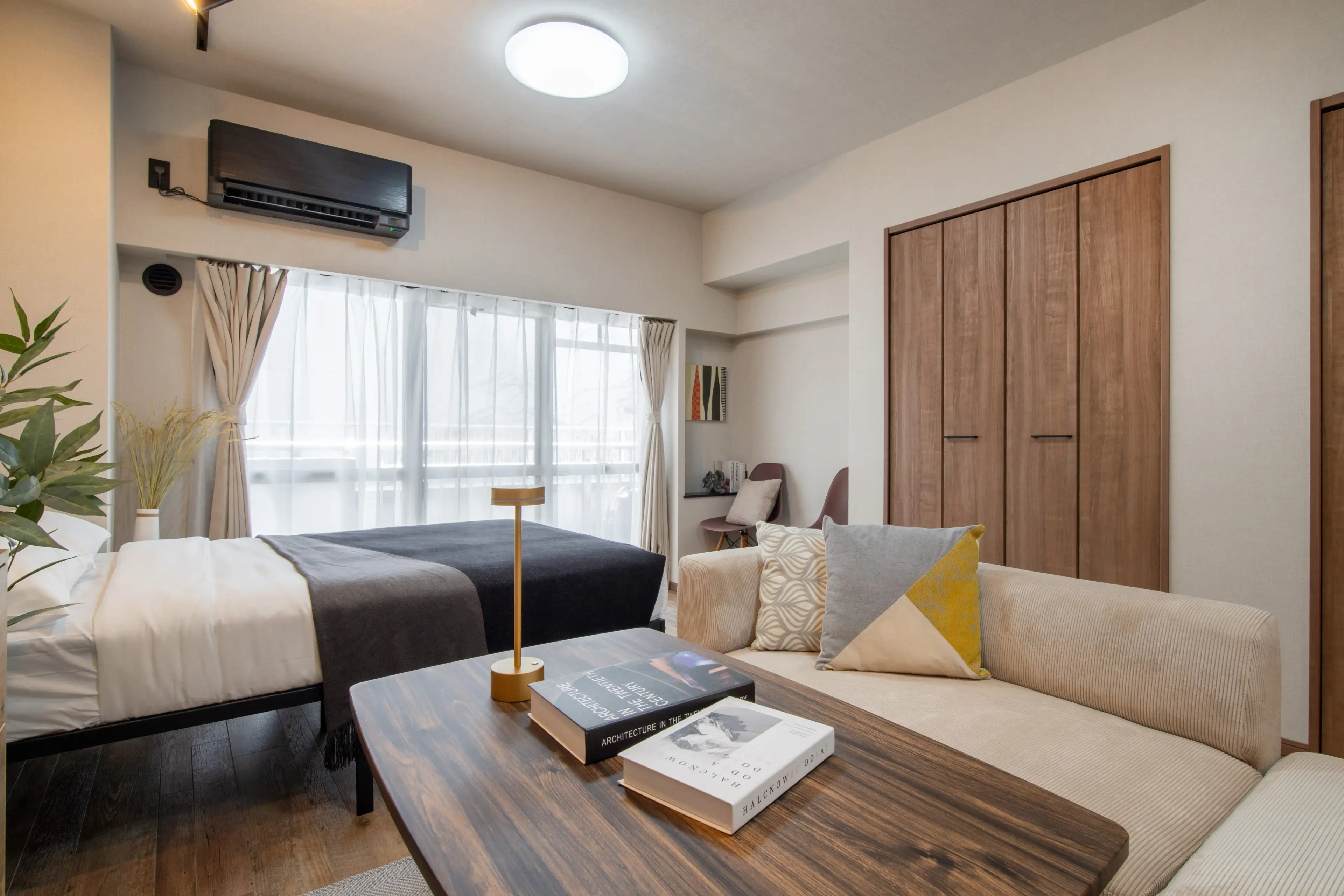 Occupied
Fully Furnished Apartment 20 Min to Takadanobaba
Iidabashi High Town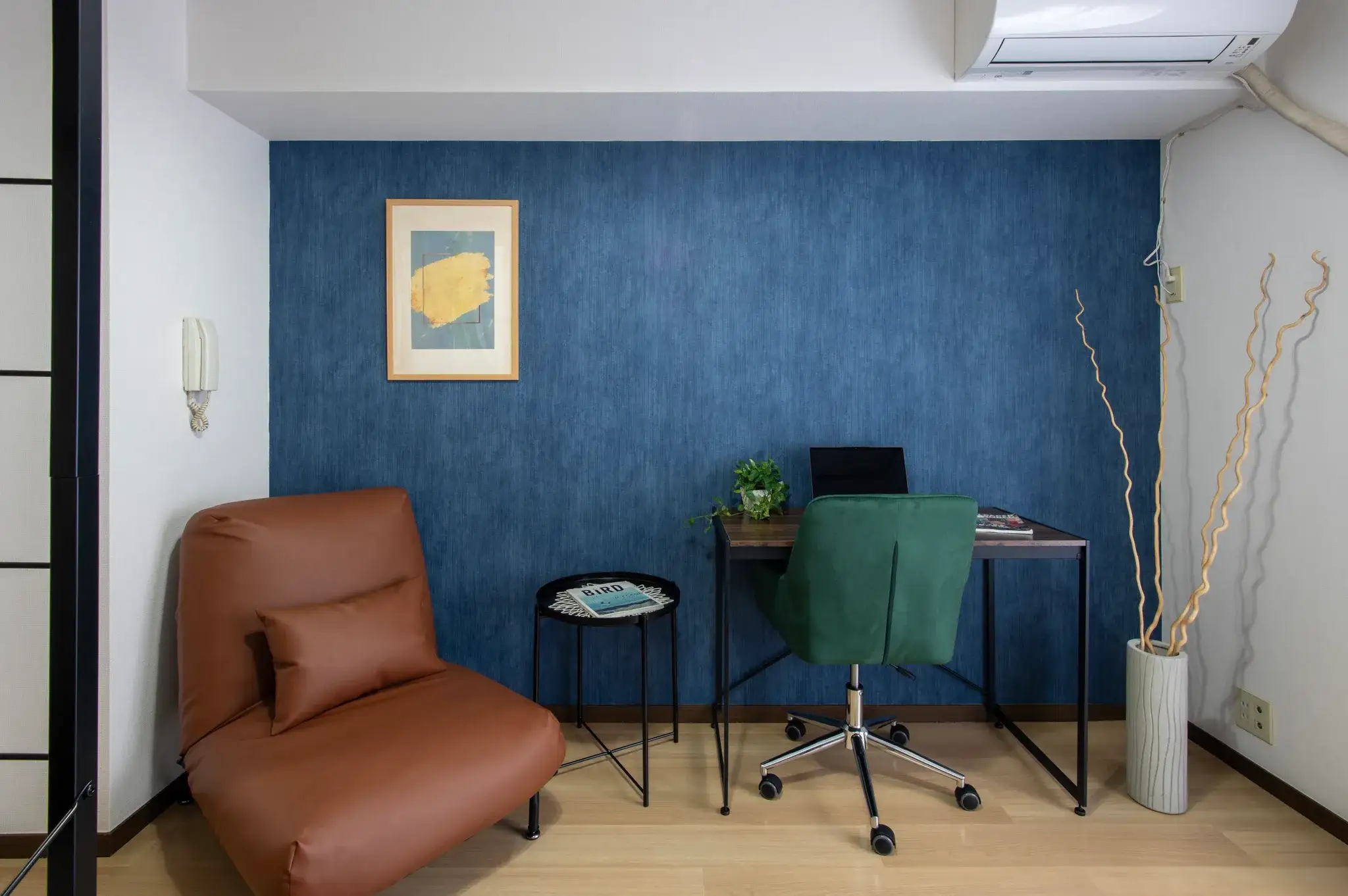 Possibly from Dec 3, 2026
Furnished apartment in Meguro
ML Meguro — 208
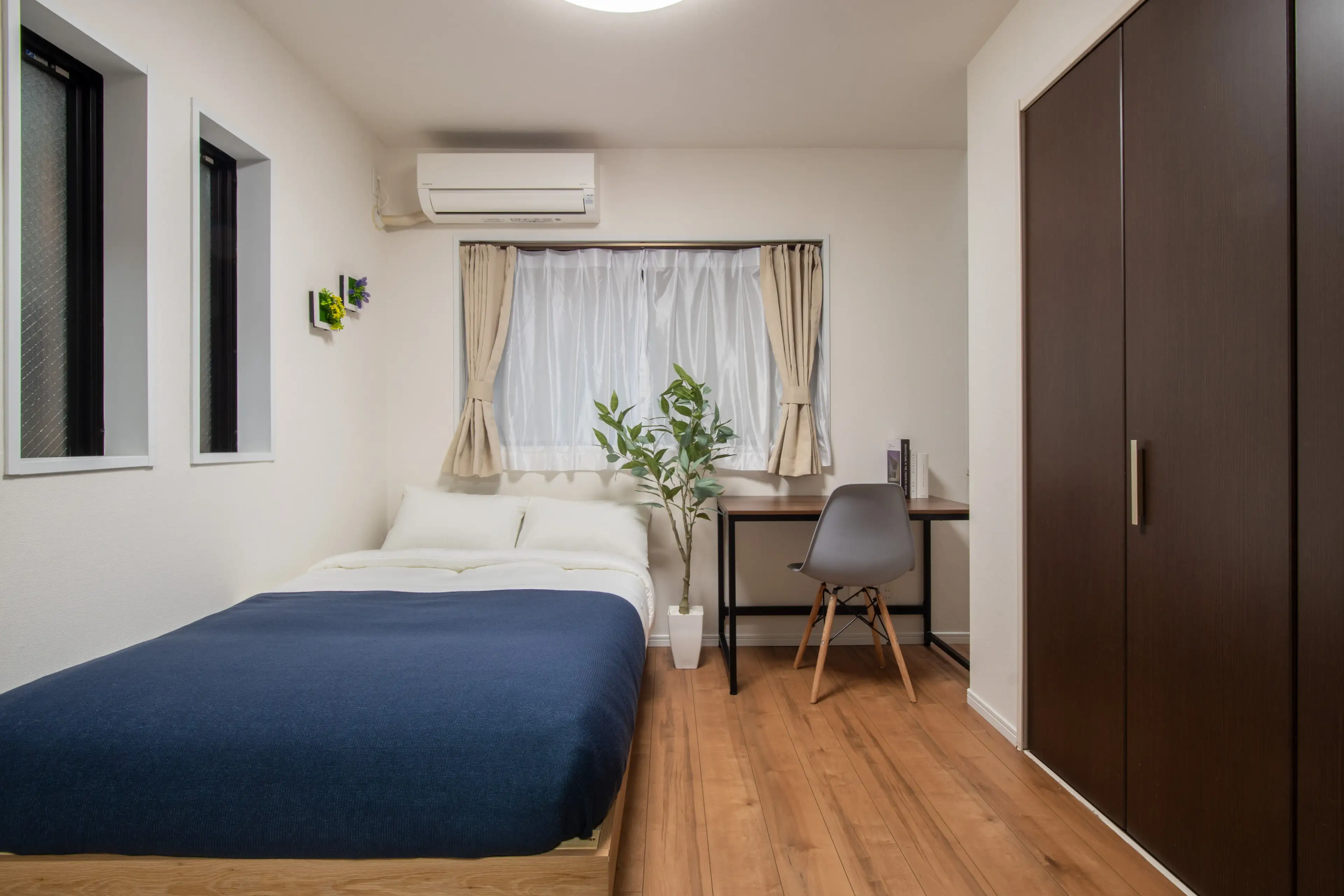 Available Now
Furnished apartment in Shinagawa
Beverly Homes Nishikoyama — 103