
Long-Term Furnished Apartments in Tokyo: 6+ Month Stays Without an Agency

Why Long-Term Furnished Apartments in Tokyo Work Differently
If you're planning a stay of six months or more, furnished apartments tokyo long term options operate under completely different rules than the short-stay serviced apartments most newcomers first encounter. Understanding those differences from the start will save you thousands of yen — and a lot of frustration.
Standard Japanese rental contracts (called ippan chintai) run on two-year cycles, require a Japanese guarantor, and demand upfront fees that can reach five or six months' rent before you even get your keys. Long-term furnished rentals, by contrast, are designed to bridge the gap — offering real apartments with real furniture, flexible terms, and far less paperwork.
The key distinction is contract type. Most long-term furnished options use a fixed-term lease (teiki shakuya), which means both sides agree upfront on an end date. There's no automatic renewal, but there's also no ambiguity. You know exactly when you're in, when you're out, and what happens in between.

Typical Pricing for 6, 12 & 24-Month Stays
Pricing for long-term furnished rentals in Tokyo scales significantly with commitment length. The longer you stay, the lower your effective monthly rate. Here's a realistic breakdown for a furnished 1K or 1LDK apartment (roughly 25–40 sqm) in a central ward:
- 6-month contract: ¥120,000–¥180,000/month (includes furniture, Wi-Fi, utilities in some cases)
- 12-month contract: ¥95,000–¥150,000/month (discounted base rate, same inclusions)
- 24-month contract: ¥80,000–¥130,000/month (best rate, closest to standard market rent)
Compare that to short-term serviced apartments in Shinjuku or Shibuya, which routinely run ¥250,000–¥400,000/month for the same square footage. The savings on a 12-month furnished lease versus a month-to-month arrangement can easily exceed ¥1,000,000 over the course of a year.
Move-in costs are also dramatically lower. Instead of the traditional Japanese deposit (shikikin), key money (reikin), and agency fees — which together can hit 5–6 months' rent — most long-term furnished operators charge just one or two months' deposit, and sometimes a modest setup fee of ¥30,000–¥50,000.
Documents You'll Need — and What You Can Skip
This is where long-term furnished rentals truly shine for foreigners. Traditional Japanese rental agencies will typically ask for documents that are nearly impossible for a newcomer to provide. Long-term furnished apartment providers work with a much shorter list.
What You'll Typically Need
- Passport — always required
- Residence card (zairyu card) — if you already have one
- Proof of income or employment — a contract letter, payslip, or bank statement (3 months is standard)
- Emergency contact — usually a person in your home country is acceptable
What You Can Usually Skip
- Japanese guarantor (hoshounin) — most furnished operators use a guarantor company instead, with fees built in
- Inkan (personal seal) — signature is accepted
- Japanese bank account — international transfers or credit card payment are commonly accepted
- Japanese language ability — contracts are available in English with reputable operators
Good to Know: If you're arriving on a work visa sponsored by a Japanese company, ask your employer for a zaishoku shomeisho (certificate of employment). This single document often replaces multiple income proofs and dramatically speeds up the application process.
Freelancers and remote workers have a harder time but aren't excluded. Bank statements showing consistent monthly income — ideally ¥300,000+ per month — combined with a signed declaration of income are usually sufficient for operators experienced with international tenants.
Best Wards for Long-Term Foreigners in Tokyo

Location matters enormously for long-term stays. The ward you choose affects your commute, your grocery bills, your social life, and how quickly you feel at home. Here are the top picks for foreigners committing to six months or more:
Shinjuku-ku
The international hub of Tokyo. Shinjuku has English-speaking services everywhere, multiple supermarkets with imported goods (Gyomu Super, Hanamasa), and direct train access to virtually anywhere in the city. Expect to pay a premium — but the convenience factor is hard to match.
Shibuya-ku & Minato-ku
Popular with professionals working in tech and finance. Roppongi (Minato-ku) has a long history as a foreigner-friendly neighborhood. Both wards have strong English infrastructure and international schools nearby — ideal if you're relocating with a family.
Sumida-ku & Koto-ku
Increasingly popular with long-term residents who want more space for their money. Rents run 20–30% lower than central Shinjuku, while the Toei Asakusa line and Yurikamome line keep you connected. Kiyosumi-Shirakawa in Koto-ku has become a genuine expat community hub.
Suginami-ku & Nakano-ku
Excellent value for people who work remotely or commute west toward Mitaka or Tachikawa. Family-friendly, green, and genuinely residential. The Chuo line makes central Tokyo easily accessible within 15–25 minutes.
The ward you choose for a long-term stay isn't just about the commute — it shapes your entire daily life in Tokyo. Choose a neighborhood you'd actually want to live in, not just sleep in.
Renewal & Notice-Period Rules You Must Know
Long-term furnished leases in Japan have specific rules around renewal and departure that catch many foreigners off guard. Getting this wrong can cost you a full month's rent in penalties.
Fixed-Term Leases (Most Common for Furnished)
Fixed-term leases do not automatically renew. When the contract ends, you either negotiate a new one or vacate. The operator must notify you at least one to three months before the end date if they intend not to renew — and you should do the same.
Notice Period for Early Departure
Most contracts require 30 to 60 days' written notice before moving out. Some six-month contracts include a minimum stay clause — leave before month three or four, and you may owe a penalty of one to two months' rent. Always check for this clause before signing.
Renewal Negotiations
When renewing, you are not locked into the original rate. This is your strongest leverage point. If the market has softened or you've been a reliable tenant, ask for 5–10% off the monthly rate. Many operators quietly offer renewal discounts to avoid the cost and hassle of finding a new tenant.
Heads Up: Some fixed-term lease operators charge a renewal fee (koshin ryo) of one month's rent when extending. Clarify this before signing — and try to negotiate it down to zero or half a month if the market is on your side.
How to Lock In a Lower Rate on a Long-Term Tokyo Rental

Negotiating rent in Japan feels counterintuitive — the culture generally doesn't encourage it. But the furnished apartment market is more competitive and internationally minded. These strategies genuinely work:
- Commit to a longer term upfront. Offering to sign a 12 or 24-month lease instead of six months gives the operator certainty. Most will reduce the monthly rate by ¥5,000–¥20,000 in exchange.
- Pay multiple months in advance. Offering two or three months' rent upfront (on top of the deposit) reduces the operator's financial risk. In return, ask for one or two months' free rent at the start of the contract.
- Move in during low season. January–February and July–August are Tokyo's slowest rental months. Vacancies are higher, and operators are more willing to negotiate than in the March–April peak season.
- Ask about inclusions, not just price. If the rate is firm, negotiate what's included. Free parking, an upgraded furniture package, or a faster internet connection (upgrading to 10Gbps fiber, for example) may be easier to obtain than a direct rent reduction.
- Reference your track record. If you're renewing or coming with verifiable rental history from your home country — letters from previous landlords, or references from a previous Tokyo property — use them. Reliability is genuinely valued.
- Book directly. Going directly to a furnished apartment operator rather than through an agency eliminates the agency fee (typically one month's rent) and puts you in direct conversation with the decision-maker.
Making the Most of Your Long Stay in Tokyo
A six-month-plus commitment to Tokyo is an exciting step — but the logistics can feel overwhelming at first. The good news is that the furnished apartment market in Tokyo has matured significantly over the past decade, and operators who specialize in long-term stays for international residents genuinely understand what you need.
You don't need a Japanese guarantor, a hanko, or years of Japanese residency history. You need the right property partner, a clear-eyed understanding of your contract terms, and a neighborhood that suits the life you actually want to live.
At Modern Living Tokyo, our furnished apartments and sharehouses are built specifically for long-term foreign residents — with English contracts, transparent pricing, flexible term lengths, and staff who can answer your questions in English from the very first inquiry. Whether you're staying six months or planning to settle in for two years, we're here to make Tokyo feel like home from day one.
Ready to explore your options? Browse our available furnished apartments and get in touch with our team — we'd love to help you find the right fit.
Modern Living Tokyo
Related Articles
 Moving Guide
Renting in Tokyo Without an Agency: Direct-Operator Routes That Save Money
Skip the agent and save ¥100,000–¥350,000 on your Tokyo move-in. Here's how furnished apartments and share houses let you rent direct — no brokerage fees...
 Modern Living TokyoRead more →
 Moving Guide
Apartments in Tokyo for Foreigners: How to Rent Without Speaking Japanese
Renting in Tokyo as a foreigner doesn't have to be overwhelming. Learn the English-speaking routes, required documents, and move-in steps that actually work.
Modern Living TokyoRead more → Moving Guide
Working Holiday in Tokyo: Cheap Apartments & Share Houses for Your First 6 Months
Everything WHV holders need to know about Tokyo housing — from realistic budgets and the best sharehouses to furnished apartments and visa switches.
Modern Living TokyoRead more →Featured properties
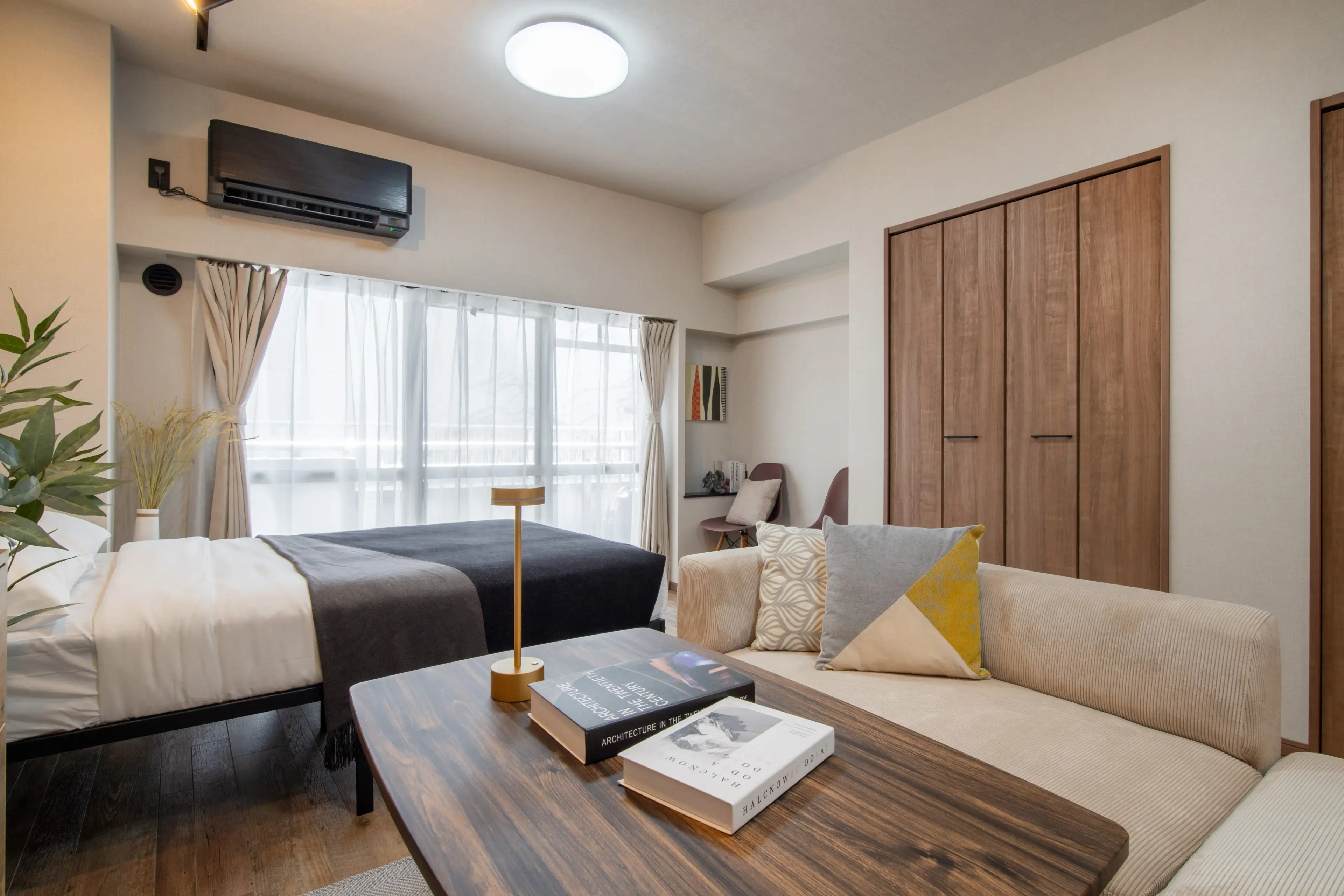 Occupied
Fully Furnished Apartment 20 Min to Takadanobaba
Iidabashi High Town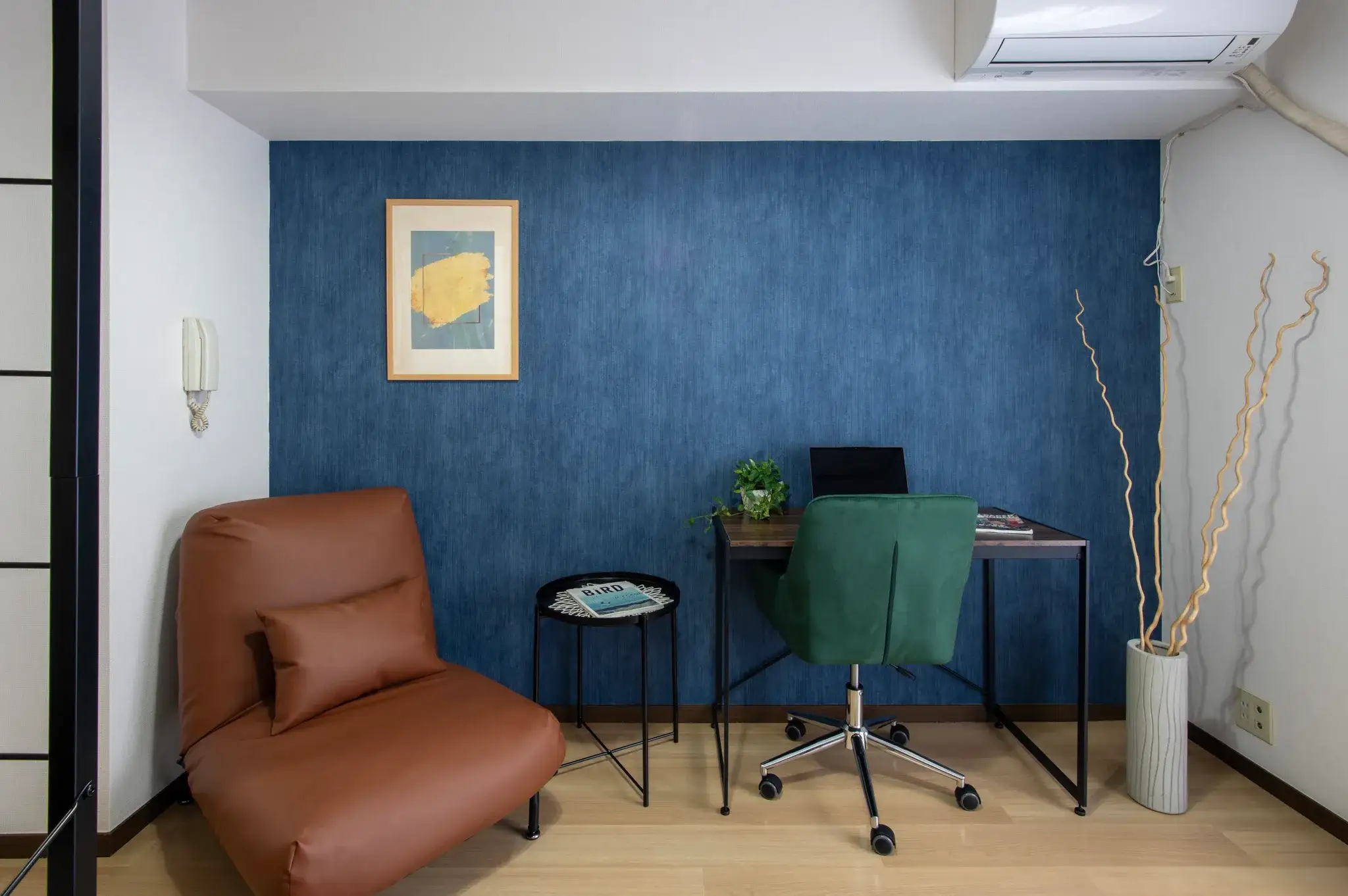 Possibly from Dec 3, 2026
Furnished apartment in Meguro
ML Meguro — 208
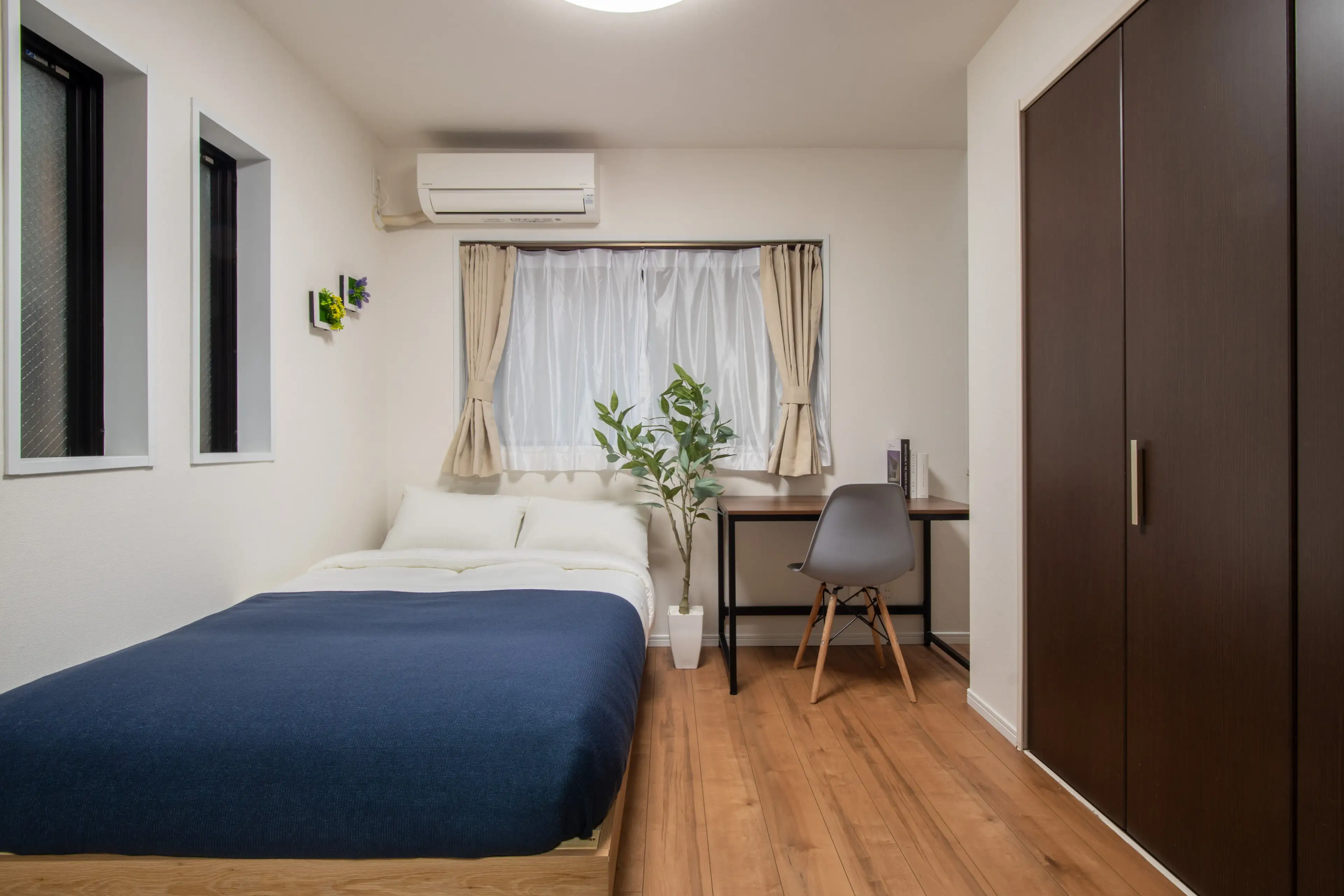 Available Now
Furnished apartment in Shinagawa
Beverly Homes Nishikoyama — 103