
Top 10 Hidden Gem Neighborhoods in Tokyo Most Foreigners Miss

Why the Best Parts of Tokyo Are the Ones Nobody Tells You About
Most visitors to Tokyo follow the same well-worn path: Shinjuku, Shibuya, Asakusa, Harajuku. These are great neighborhoods — but they're also crowded, expensive, and increasingly curated for tourists. The real hidden gem Tokyo neighborhoods are the ones where locals actually live, shop, and spend their weekends. And if you're planning to move here — not just visit — these are the places worth knowing.
Whether you're apartment hunting, planning a long-term stay, or just curious about life beyond the guidebook, this list covers ten underrated Tokyo areas that consistently surprise newcomers with their charm, affordability, and livability.

Hidden Gem Tokyo Neighborhoods: Our Top 10 Picks
#1: Bunkyo — Quiet, Academic, and Surprisingly Walkable
Bunkyo-ku sits just north of central Tokyo and is home to the University of Tokyo, making it one of the city's most intellectually lively — yet calm — wards. Streets like those around Yushima and Hongo are lined with old bookshops, indie cafés, and small ramen joints that haven't changed in decades.
Rent here is noticeably lower than neighboring Bunkyo-adjacent areas like Hongo or Ochanomizu, and the ward has excellent access to the Marunouchi and Namboku subway lines. It's a favorite among researchers, professors, and quietly thoughtful expats who prefer Nezu Shrine over Meiji Jingu crowds.
#2: Mitaka — Inokashira Park at Your Doorstep
Mitaka sits just west of Kichijoji on the Chuo Line and shares access to the beloved Inokashira Park — without quite as much weekend foot traffic. The Studio Ghibli Museum is here too, which gives the area a faintly magical, creative atmosphere that residents genuinely feel.
The streets around Mitaka Station's south exit have a relaxed, almost village-like feel. Local restaurants are affordable, the shopping street is genuine rather than touristy, and one-room apartments in the area average around ¥70,000–¥85,000 per month — solid value for western Tokyo.
#3: Chofu — Keio Line Suburban Calm
Chofu is where Tokyo breathes out. Located about 25 minutes from Shinjuku on the Keio Line, it offers wide streets, family-friendly parks, and a genuinely quiet lifestyle that's increasingly rare inside the Yamanote Line. The Jindai Botanical Garden is here — one of Tokyo's finest green spaces and almost always crowd-free.
Rent in Chofu can be 20–30% lower than equivalent-sized apartments in central Tokyo. Commute times are very manageable, and the area has excellent schools and supermarkets, making it popular with families and long-term residents who've done the math.
Pro Tip: If you're working in Shinjuku, Chofu and Mitaka are excellent value-for-money options on the Keio and Chuo lines. A 25-minute commute can save you ¥30,000+ per month on rent compared to living in Yoyogi or Nakameguro.
#4: Kuramae — Asakusa's Cooler, Quieter Younger Sibling
Kuramae sits between Asakusa and Akihabara, sandwiched between the old and the hyper-modern. For years it was overlooked — a former wholesale district that held onto its industrial bones. Now it's home to some of Tokyo's best independent coffee shops, craft studios, and design-forward boutiques, all without the tourist crowds that blanket Asakusa on weekends.
Walking along the Sumida River here on a weekend morning feels genuinely special. Rents remain reasonable compared to nearby Yanaka or Koenji, and the area has excellent subway access via the Asakusa and Oedo lines. It's one of those off the beaten path Tokyo living situations that feels like a real discovery.
#5: Sangenjaya — The Setagaya Insider's Pick
Ask any long-term Tokyo expat where they'd live if money were tight but taste weren't, and "Sangen-jaya" comes up constantly. This Setagaya neighborhood — just two stops from Shibuya on the Tokyu Den-en-toshi Line — has an enviable combination of independent bars, live music venues, vintage clothing stores, and a youthful creative energy that never feels forced.
The covered shopping arcades (shotengai) near the station are full of life: greengrocers, ramen shops, izakayas, and places that don't have English menus because they've never needed them. It's the kind of neighborhood that rewards residents who show up curious and open-minded.
"The neighborhoods that make Tokyo feel like home aren't the famous ones — they're the ones where your neighbors wave hello and the coffee shop remembers your order."
Old Tokyo Charm: Komagome and Nezu
#6: Komagome — The Garden Ward
Komagome is best known for Rikugien Garden, one of Tokyo's most beautiful Edo-period strolling gardens. But the neighborhood around it is equally lovely — a mix of old shotengai, quiet backstreets, and an almost rural calm that's hard to believe exists this close to Ikebukuro and Yamanote Line stations.
It's served by both the JR Yamanote Line and the Tokyo Metro Namboku Line, making it surprisingly well-connected. Rents are moderate, the community is established and local, and you'll rarely see another tourist outside of cherry blossom season.
#7: Nezu — Old Tokyo in Miniature
Nezu sits just outside the busier Yanaka area and retains an almost time-capsule quality. Low wooden buildings, narrow lanes, a famous shrine with tunnels of torii gates, and a pace of life that feels completely disconnected from Shibuya's scramble. It's one of the few areas in central Tokyo where the old shitamachi (downtown) atmosphere genuinely survives.
Finding an apartment here requires some persistence — many buildings are older and smaller — but the payoff is a neighborhood that feels truly lived-in and irreplaceable. Sharehouse living can be a great entry point into Nezu, as it sidesteps the challenges of securing a traditional lease in older buildings.

Lesser Known Tokyo Wards and Suburbs Worth Your Attention
#8: Kichijoji — Tokyo's Best-Kept Open Secret
Yes, Kichijoji appears on "best neighborhoods" lists — but it still surprises newcomers who actually live there rather than visit. Inokashira Park, a thriving jazz bar scene, exceptional ramen, and some of Tokyo's best vintage shopping all coexist in an area that feels genuinely community-oriented.
One- and two-room apartments typically run ¥80,000–¥110,000 per month. Furnished apartments and sharehouses in Kichijoji are popular with international residents, and for good reason — the quality of daily life here is hard to match anywhere inside the 23 wards.
#9: Sengawa — The Anti-Kichijoji
If Kichijoji is getting too well-known for your taste, try Sengawa — two stops further on the Keio Line. It has much of the same green, relaxed atmosphere (Jinsaiji Temple and its surrounding forest are nearby) without any of the weekend crowds. Rents drop noticeably from Kichijoji, and the neighborhood has a strong community of long-term local residents.
Sengawa suits people who genuinely want to live in Tokyo rather than perform living in Tokyo. It's one of the most underrated Tokyo areas on this entire list, and the residents who've found it tend to stay.
Good to Know: Many of these neighborhoods — Kuramae, Nezu, Sengawa — have older housing stock that can be harder to rent as a foreigner without a Japanese guarantor. Furnished apartments and sharehouses specifically designed for international residents bypass these barriers entirely, letting you move in with minimal paperwork.
#10: Tachikawa — For the Truly Cost-Conscious
Tachikawa sits about 40 minutes from Shinjuku on the JR Chuo Line and represents the far western edge of what most people consider Greater Tokyo. But don't mistake distance for inconvenience — Tachikawa is a full-service city with its own shopping malls, department stores, excellent restaurants, and a major cultural facility (Showa Kinen Park is here, and it's spectacular).
Rent in Tachikawa can be dramatically lower than central Tokyo. A spacious one-bedroom apartment that would cost ¥120,000 in Shibuya might run ¥60,000–¥70,000 here. For remote workers or people with flexible schedules, this math is increasingly hard to ignore.
Why These Neighborhoods Stay Off the Tourist Lists
The simple answer is that they don't have famous Instagram landmarks. No massive shrine gate, no glowing scramble crossing, no robot restaurant. What they have instead is real life — the shotengai your neighbors shop at, the park where people walk their dogs on Sunday mornings, the izakaya that's been serving the same menu for thirty years.
These lesser known Tokyo wards and neighborhoods also tend to have lower English signage and fewer tourist-friendly services, which can feel intimidating at first. But that barrier is lower than it looks — and the reward is a version of Tokyo that most short-term visitors never get to experience.

For foreigners moving to Tokyo long-term, the question isn't really "which neighborhood is most famous?" It's "which neighborhood fits my life?" That might be a quiet Bunkyo street near a university library, a Sangenjaya bar alley on a Thursday night, or a Chofu morning with coffee in a park that has no queue.
Finding Your Place in Tokyo's Hidden Neighborhoods
The best way to discover these areas is to live in them, even briefly. At Modern Living Tokyo, our furnished apartments and sharehouses are spread across many of these off the beaten path Tokyo neighborhoods — designed specifically for international residents who want to settle into real Tokyo life, not just pass through it.
Whether you're drawn to the creative energy of Kuramae, the park-side calm of Mitaka, or the old-Tokyo atmosphere of Nezu, we can help you find a place that feels like home from day one — no guarantor, no complicated paperwork, just a front door key and a great neighborhood waiting outside it.
Have a neighborhood you love that didn't make this list? We'd love to hear about it. Tokyo's best discoveries are always the ones shared between people who actually live here.

Modern Living Tokyo
Related Articles
 Neighborhood
Adachi & Katsushika: Tokyo's Most Affordable Wards Guide
Adachi and Katsushika wards offer Tokyo's lowest rents, fast city commutes, and genuine shitamachi culture — the northeast Tokyo secret every...
 Modern Living TokyoRead more →
 Neighborhood
Chofu & West Tokyo Apartments: Quiet Living Near the Keio Line
Chofu and West Tokyo's Keio Line offer quiet living, low rents, and a 22-minute commute to Shinjuku — here's everything you need to know.
Modern Living TokyoRead more → Neighborhood
Daikanyama Living Guide: Premium Tokyo Without Roppongi Prices
Daikanyama offers premium Tokyo living — boutique cafes, low-rise streets, and Shibuya in 2 minutes — without Roppongi prices. Here's everything you need to...
Modern Living TokyoRead more →Featured properties
 Occupied
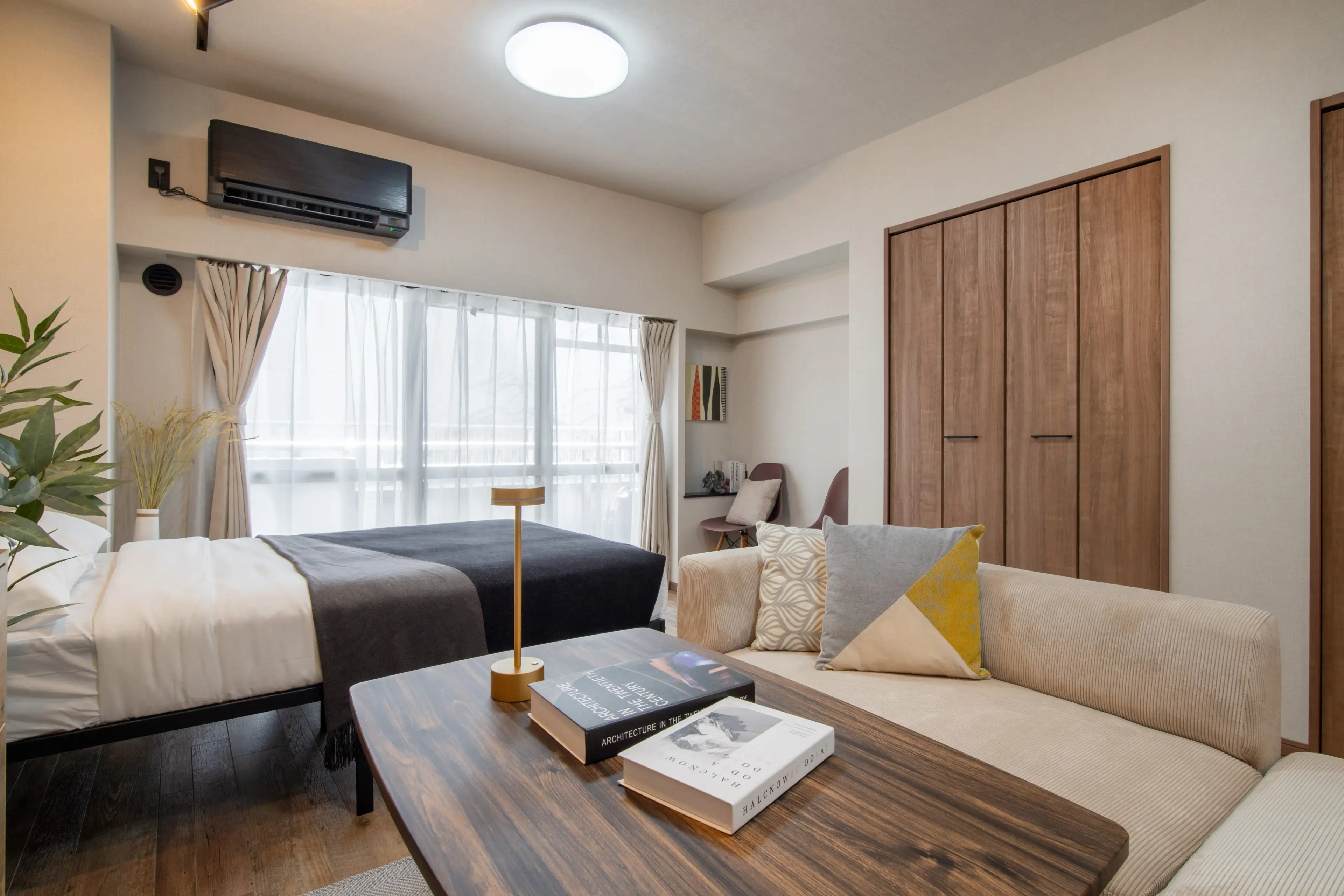
Fully Furnished Apartment 20 Min to Takadanobaba
Iidabashi High Town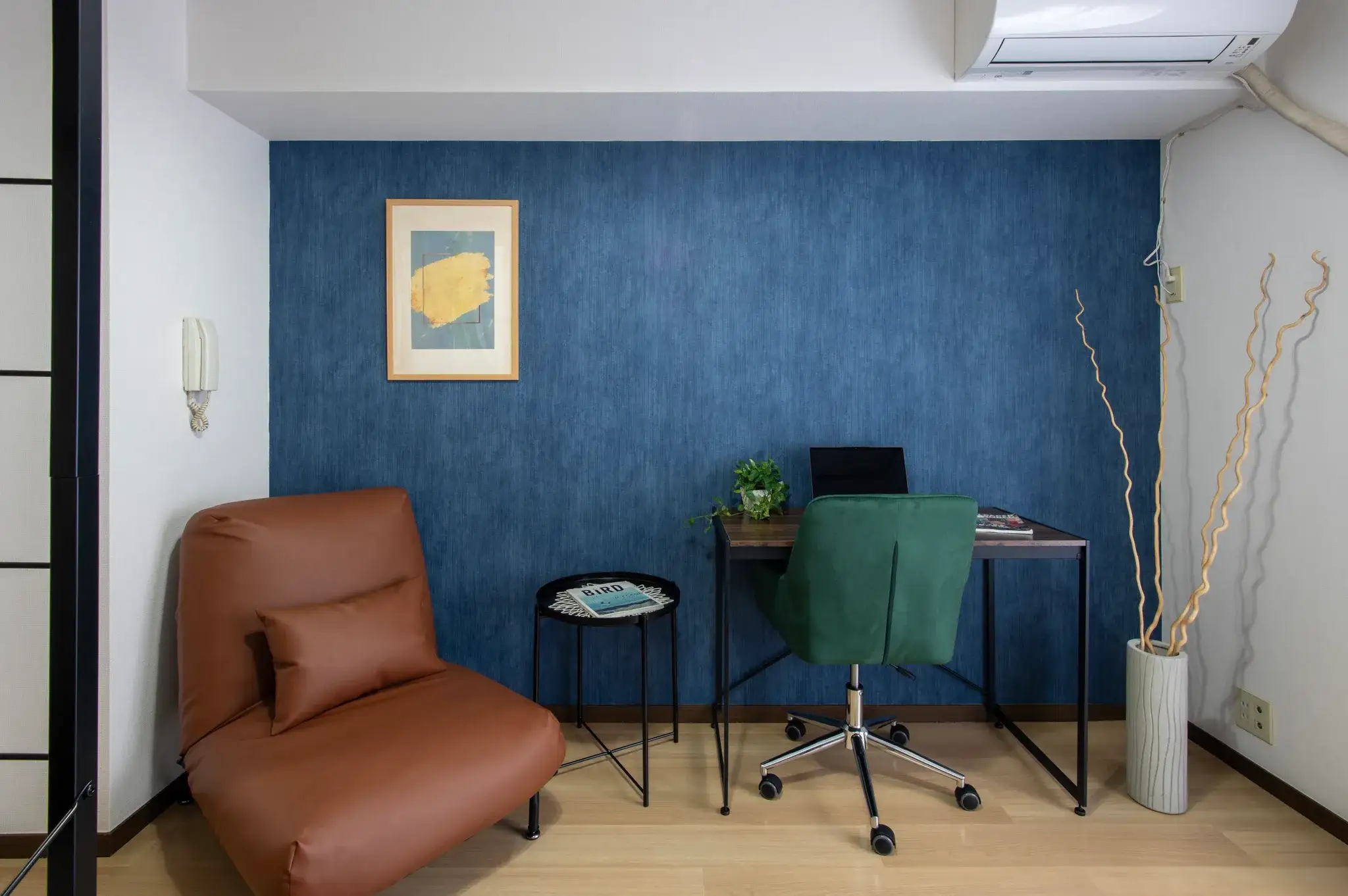 Possibly from Dec 3, 2026
Furnished apartment in Meguro
ML Meguro — 208
 Available Now
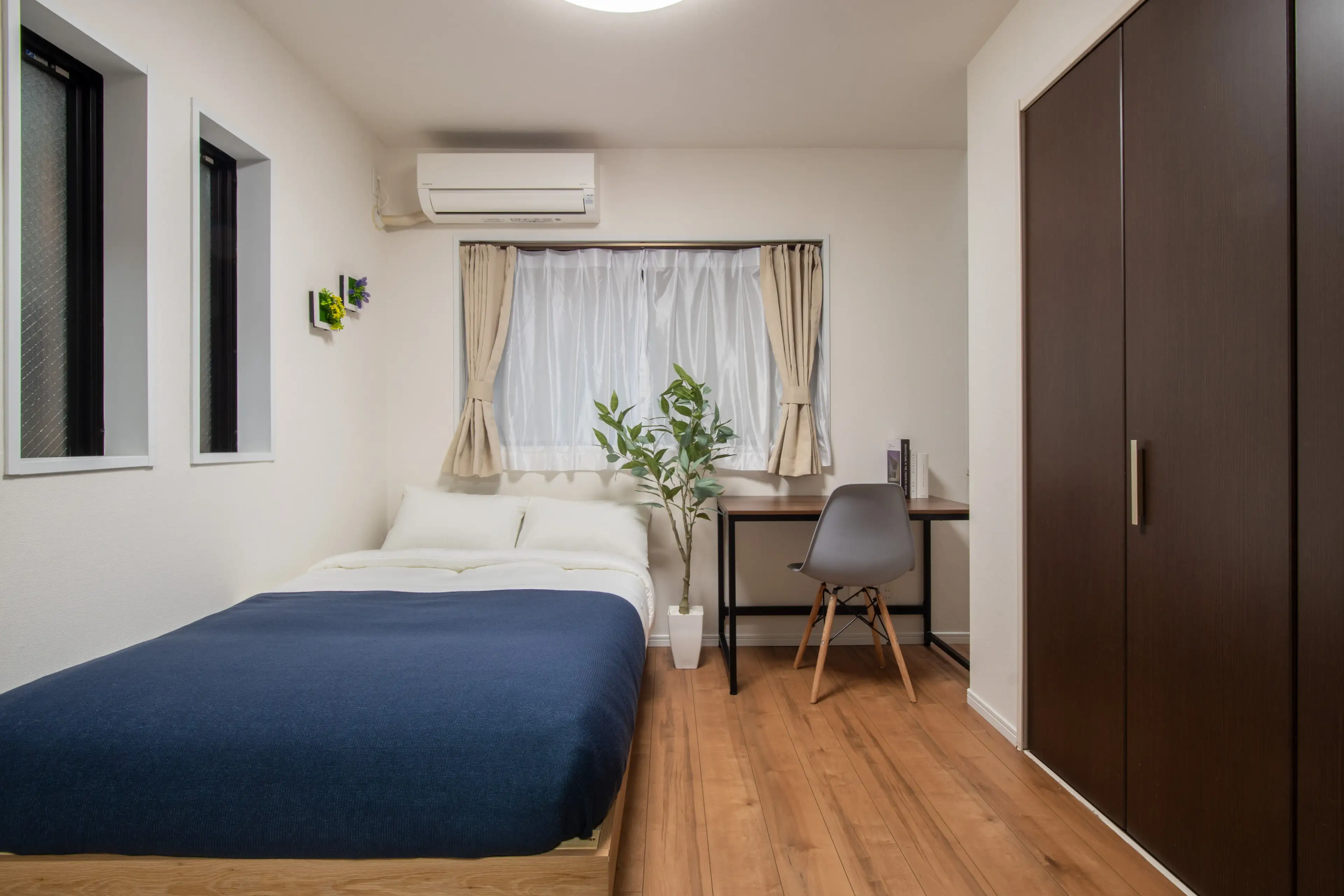
Furnished apartment in Shinagawa
Beverly Homes Nishikoyama — 103