
Cashless Payments in Japan 2026: PayPay, Suica, Apple Pay for Foreigners

Japan's Cashless Revolution in 2026: Where Things Stand Now
Going cashless in Japan has never been easier — and for cashless payment Japan foreigners arriving in 2026, the infrastructure is finally catching up with the ambition. Japan's government set a goal of 40% cashless transactions by 2025, and the country has blown past it, with major cities like Tokyo now seeing cashless acceptance at well over 60% of merchants.
That said, Japan's cashless ecosystem is uniquely layered. You won't find one app or card that does everything. Instead, you'll want to build a small toolkit: an IC card for transit and convenience stores, a QR payment app for restaurants and shopping, and a reliable international card as backup. This guide walks you through exactly that, step by step.

Step 1 — IC Cards (Suica & PASMO): Transit, Convenience Stores & Vending Machines
The Suica and PASMO setup guide starts at the airport — literally. Both cards can be obtained at Narita and Haneda airports before you even hop on the train into the city. For most foreigners, Suica is the recommended starting point because it's now available as a digital card inside Apple Wallet and Google Wallet.
Getting Your Suica or PASMO Card
- Physical Suica: Available at JR East ticket machines (look for the English interface). Costs ¥500 deposit + however much you load (minimum ¥1,000 recommended).
- Digital Suica (iPhone/Apple Watch): Add via the Wallet app → select "Transit Card" → Japan. Works immediately. No deposit required.
- Digital Suica (Android): Download the Suica app or add via Google Wallet. Requires a Visa or Mastercard for top-up — most international cards work.
- PASMO Passport: A tourist-specific IC card available at airports and major stations. No refundable deposit, valid for 180 days — great for short-term visitors.
Where IC Cards Work
The beauty of Suica and PASMO is how far they stretch beyond train rides. In Tokyo, you can use them at:
- All JR, Tokyo Metro, Toei subway, and most private train lines
- 7-Eleven, FamilyMart, Lawson, and most convenience stores
- McDonald's, Starbucks, and many chain restaurants
- Hundreds of thousands of vending machines across Japan
- Some taxis and airport limousine buses
Pro Tip: Load at least ¥3,000–¥5,000 onto your IC card on arrival. Top-up machines at every station accept cash, and many convenience store registers will top up your card for you. Don't wait until you're running low on the platform.
Step 2 — PayPay: Setting It Up Without a Japanese Bank Account
PayPay for foreigners in Japan has become dramatically more accessible in the past two years. PayPay is Japan's dominant QR code payment app with over 65 million registered users, and it's accepted at an enormous range of places — from izakayas and ramen shops to department stores and drug stores like Matsumoto Kiyoshi.
How to Register PayPay as a Foreigner
- Download the PayPay app (iOS or Android) — it's available outside Japan with a foreign phone number.
- Sign up using your phone number. A foreign number works fine.
- Verify your identity (KYC) — you can use your passport. The app now has an English interface.
- Link a Visa or Mastercard credit/debit card for top-up. Many foreign cards issued outside Japan are accepted.
- Alternatively, top up with cash at any 7-Eleven ATM or a convenience store register.
Once set up, you'll scan a QR code at the register or show your app's QR code to be scanned. Payment is confirmed instantly with a satisfying "PayPay!" sound chime.
PayPay Limits for Foreign Cards
Be aware that if you don't complete full identity verification, your monthly spending limit is capped at ¥50,000. After submitting your residence card (zairyu card) or passport, limits increase significantly. For most day-to-day spending in Tokyo, ¥50,000/month is plenty to start.
In Tokyo 2026, a Suica card and a PayPay account cover about 85% of your daily spending — the rest is just knowing when to carry a little cash.

Step 3 — Credit & Debit Cards: Which Foreign Cards Work Best for Japan Payment Methods Expats
Contactless card acceptance has exploded in Tokyo. Visa payWave and Mastercard Contactless now work at most chain retailers, hotel lobbies, and tourist-facing businesses. If your card has a tap symbol on it, you'll likely be able to use it far more often than even three years ago.
Recommended Foreign Cards for Japan
- Wise Debit Card: The top choice for expats. Mid-market exchange rate, low fees, works at ATMs and most card terminals. Apply before you leave home.
- Revolut: Strong for holding JPY balance and spending at the interbank rate. Accepted wherever Visa/Mastercard is accepted.
- Charles Schwab (US residents): Refunds all ATM fees worldwide — a classic expat favourite for cash withdrawals.
- Standard Visa/Mastercard: Works fine for card payments. Avoid dynamic currency conversion (always pay in JPY).
ATMs: Where to Find Ones That Accept Foreign Cards
Not all Japanese ATMs accept foreign cards. Your safest bets are:
- 7-Eleven ATMs (Seven Bank): The most reliable option, found at every 7-Eleven and in many train stations. English interface, available 24/7.
- Japan Post ATMs: Accept most international cards. Available at post offices and some convenience stores.
- Citibank/SMBC Trust: Good for international cardholders in central Tokyo.
Heads Up: Always select "Withdraw in JPY" at ATMs and card terminals — never let the machine convert to your home currency. Dynamic currency conversion rates are significantly worse and can cost you 3–5% extra per transaction.
When You Still Need Cash: Temples, Local Izakayas & Rural Travel
Even in 2026, cash isn't dead in Japan — it's just more situational. Knowing when to have yen in your pocket saves a lot of awkward moments at the register.
Places That Are Commonly Cash-Only
- Shrines and temples: Offerings, omamori (charms), and entry fees are almost always cash. Always have ¥500–¥2,000 coins on hand for temple visits.
- Small ramen shops and local izakayas: Neighbourhood spots — especially those that have been open for decades — often haven't gone cashless. Look for a card machine before you sit down.
- Rural and countryside travel: Heading to Nikko, the Izu Peninsula, or the Japan Alps? Assume smaller towns run on cash and withdraw before you leave the city.
- Street food stalls (yatai) and festival vendors: Summer festivals, Comiket, weekend markets — cash is king here.
- Some coin lockers: Many older coin lockers at stations still only take ¥100 coins, though newer ones accept IC cards.
A practical rule of thumb: keep ¥5,000–¥10,000 (about $35–$70 USD) in cash on you at all times. It's enough to handle almost any situation without carrying a bulky wallet.

Your First-Week Payment Checklist: What to Set Up Before You Leave the Airport
The airport is genuinely the best place to get your payment toolkit started. Here's what to do in order, from the moment you land.
At Narita or Haneda Airport
- Pick up or activate your Suica card — physical from a JR ticket machine, or add digital Suica to Apple/Google Wallet before boarding your flight.
- Withdraw ¥10,000–¥20,000 in cash from a Seven Bank ATM (inside arrivals). This covers your first few days comfortably.
- Load ¥3,000–¥5,000 onto your Suica for the airport train into the city (Narita Express is ¥3,070 from Narita to Shinjuku).
In Your First Week
- Download and register PayPay — takes about 10 minutes with a passport. Link your Wise or Revolut card for seamless top-up.
- Test your foreign card at a 7-Eleven ATM to confirm it works with your PIN.
- Set up auto top-up for Suica (if using digital Suica) so you never get stranded at the ticket gate with an empty card.
- Download Google Maps or Hyperdia — both show IC card fares, which helps you budget transit spending.
- Check if your accommodation accepts cashless payment — many modern furnished apartments and sharehouses in Tokyo now allow cashless rent payment and bill-splitting through apps.
If you're staying in a Modern Living Tokyo sharehouse or furnished apartment, our team can also point you toward the nearest Seven Bank ATM and help you get your first Suica top-up sorted — small things, but they matter on Day 1.
Building Your Cashless Life in Tokyo
Japan's payment landscape in 2026 rewards those who prepare. A digital Suica on your phone, a PayPay account linked to a Wise card, and a backup ¥10,000 in your pocket — that's genuinely all you need to navigate Tokyo with confidence from day one.
The learning curve is real but short. By the end of your first week, tapping through ticket gates, scanning QR codes at the konbini, and paying for ramen with your phone will feel completely natural. Japan's cashless infrastructure has matured enormously, and foreigners are no longer an afterthought in the design.
If you're planning a move to Tokyo and want to arrive fully prepared — from your payment setup to your living situation — Modern Living Tokyo's furnished apartments and sharehouses come ready for daily life from day one. No hunting for furniture, no deciphering Japanese paperwork, and a community of fellow internationals who've already figured out the Suica top-up machine.
Modern Living Tokyo
Related Articles
 Tips & Tricks
Top 5 Banks for Foreigners in Japan: 2026 Side-by-Side Comparison
A side-by-side 2026 comparison of the 5 best banks for foreigners in Japan — fees, English support, setup time, and who each bank suits best.
 Modern Living TokyoRead more →
 Tips & Tricks
Getting a Phone & SIM Card in Japan: Best Options for Foreigners
Everything foreigners need to know about getting a SIM card in Japan — best budget plans, eSIM options, required documents, and recommendations by use case.
Modern Living TokyoRead more → Tips & Tricks
Sending Money Abroad from Japan 2026 — Cheapest Ways Compared (Wise, Revolut, Bank)
Wise vs Revolut vs bank transfer vs SBI Remit — real fees and exchange rates compared for sending money abroad from Japan in 2026. Best option per amount.
Modern Living TokyoRead more →Featured properties
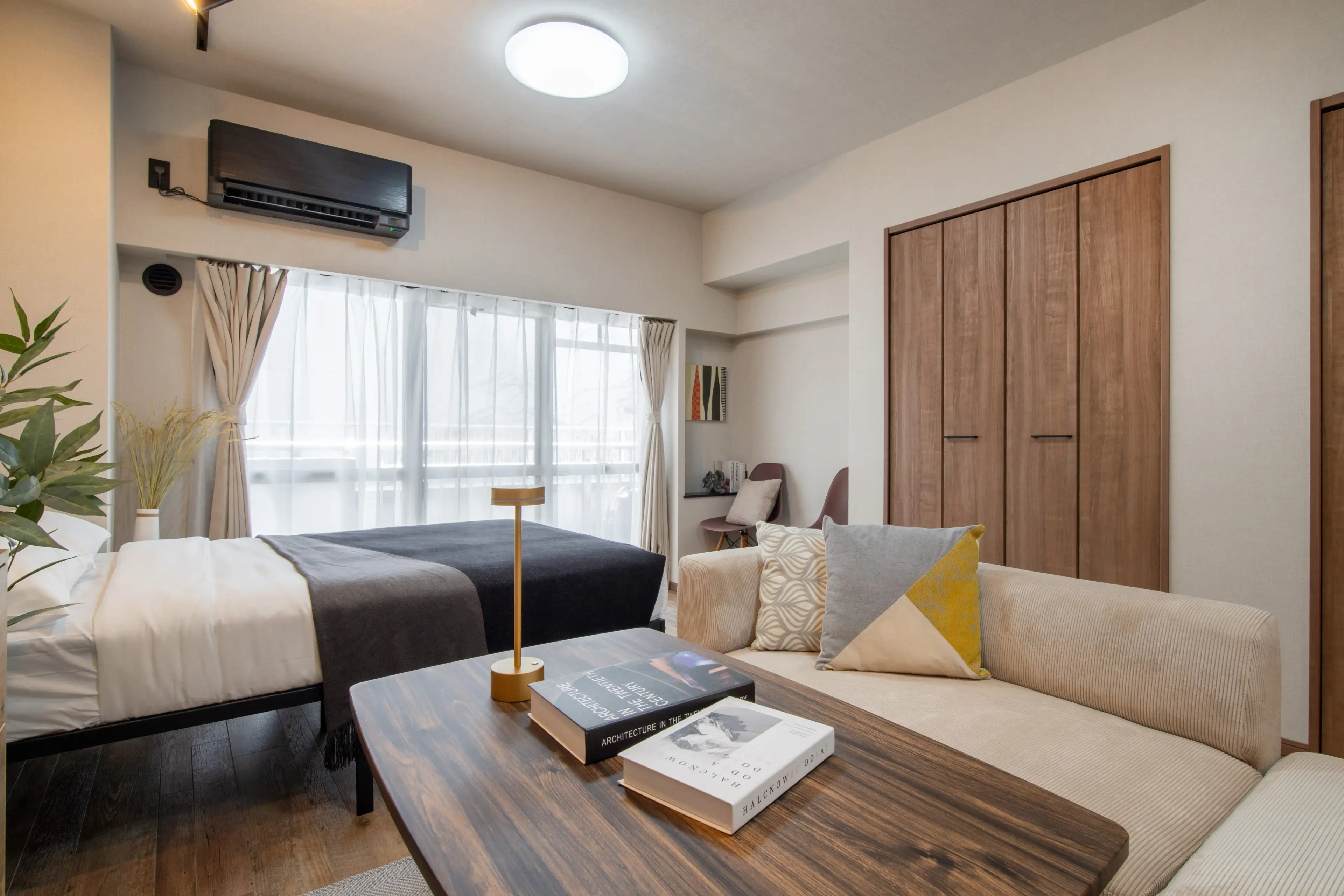 Occupied
Fully Furnished Apartment 20 Min to Takadanobaba
Iidabashi High Town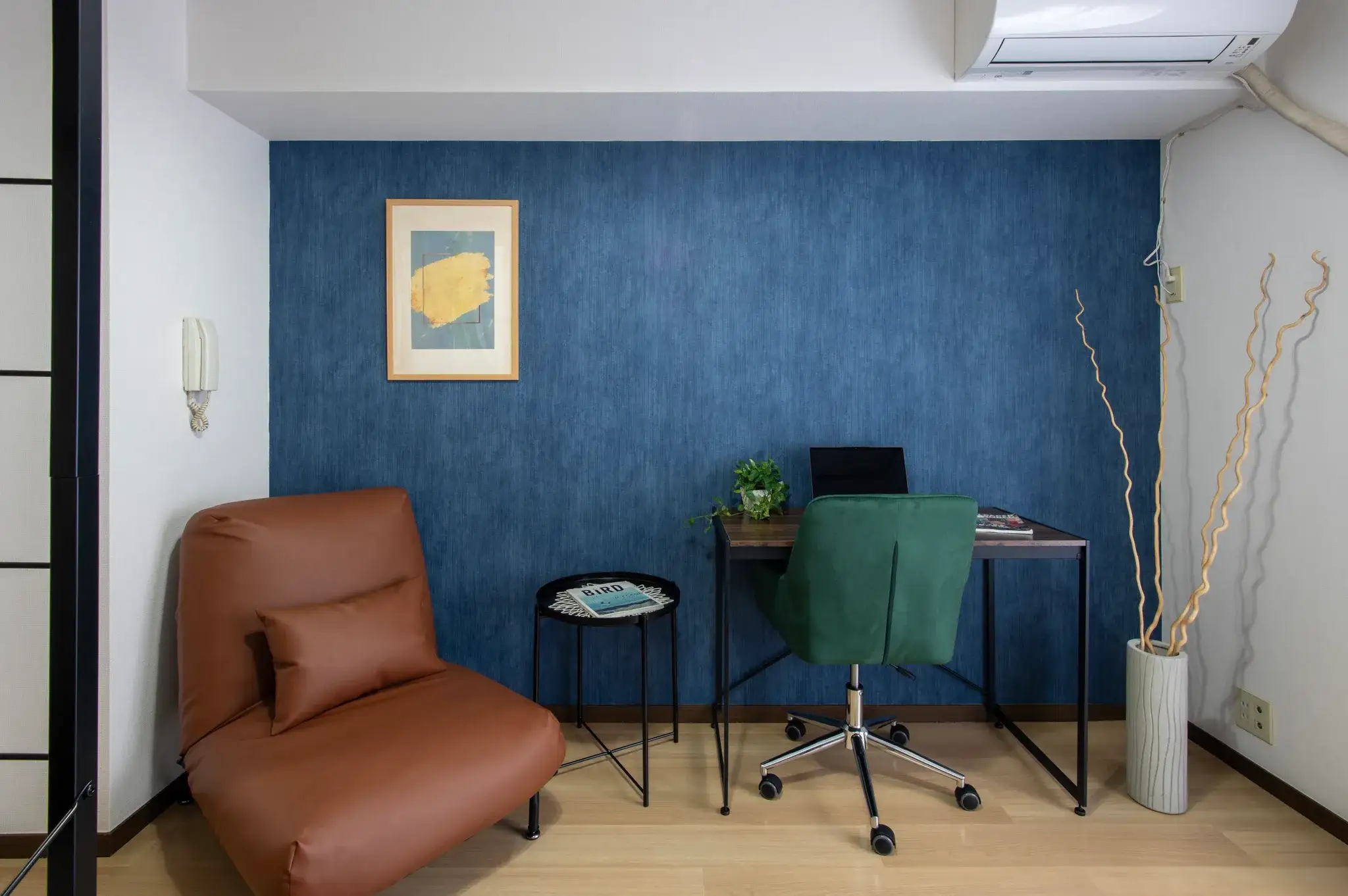 Possibly from Dec 3, 2026
Furnished apartment in Meguro
ML Meguro — 208
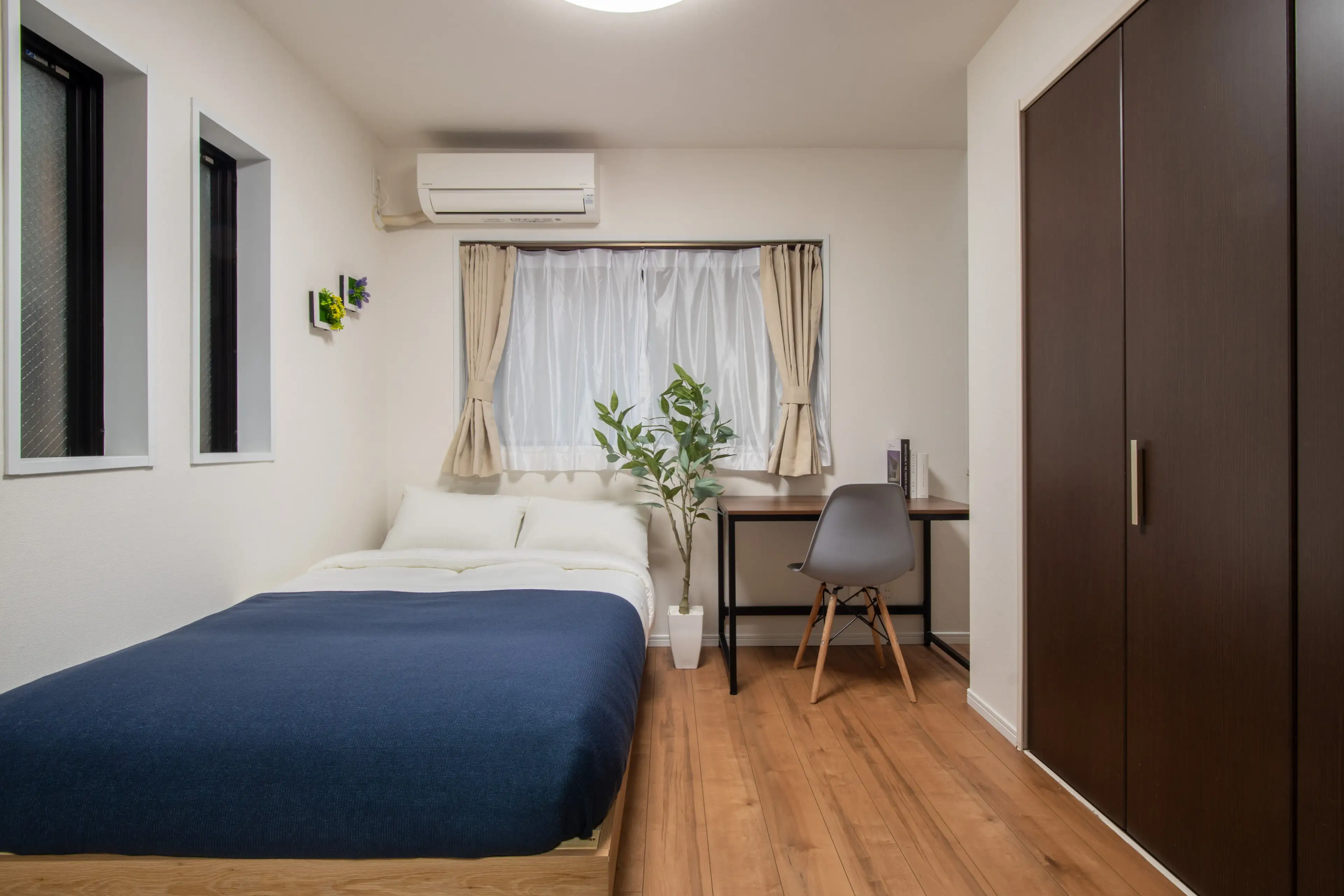 Available Now
Furnished apartment in Shinagawa
Beverly Homes Nishikoyama — 103