
Corporate Housing in Tokyo: A Relocation Manager's Complete Guide (2026)

What "Corporate Housing" Actually Means in Tokyo
If you're a relocation manager sourcing corporate housing in Tokyo for the first time, you'll quickly discover that the term means something quite different here than it does in New York or London. In Japan, "corporate housing" (社宅, shataku) traditionally referred to company-owned dormitories — a model many large Japanese firms still use today. For international assignees, however, the landscape is far broader and more flexible.
In practice, when global mobility teams talk about corporate housing in Tokyo today, they mean any fully furnished, move-in-ready accommodation arranged and paid for (in whole or in part) by an employer. This covers everything from serviced apartments in Shinjuku to private furnished flats in Minato, to premium sharehouses designed specifically for professionals.
Understanding this distinction upfront saves weeks of confusion when briefing local operators or processing expense claims back at headquarters.

Furnished vs. Serviced vs. Long-Stay Hotel: Know the Difference
These three categories look similar on a spreadsheet but deliver very different day-to-day experiences — and very different invoices.
Furnished Apartments
A furnished apartment is a standard residential lease with furniture, appliances, and household essentials included. The tenant pays rent directly or via a corporate lease agreement. Utilities are usually separate. This is the most cost-effective option for assignments of three months or longer, and it gives employees the most "normal" living experience.
Serviced Apartments
Serviced apartments add hotel-style amenities — weekly housekeeping, front-desk support, concierge services, and all utilities bundled into one monthly fee. Operators like Oakwood Residence Azabu and Fraser Residence Nanpeidai are well-known in Tokyo's corporate relocation circuit. Expect to pay a meaningful premium for the convenience, but the all-in billing simplifies expense reporting considerably.
Long-Stay Hotels
Extended-stay hotel rooms — found at properties like Richmond Hotel or some APA Hotel formats — are technically residential, but they feel transactional. They work well for two-to-six-week interim stays while a more permanent solution is arranged. For anything beyond two months, the cost-per-night model becomes difficult to justify to finance teams.
Good to Know: In Japan, furnished apartments and quality sharehouses operated by professional companies often offer the best balance of cost, location flexibility, and livability for assignments over 30 days. Many operators — including Modern Living Tokyo — offer corporate billing arrangements, making expense processing straightforward.
Typical Lease Lengths and Pricing in Tokyo Corporate Housing
Tokyo's rental market does not have a true "month-to-month" culture in the traditional unfurnished sector. Corporate operators have adapted to fill this gap.
Short-Term (1–3 Months)
This tier covers initial arrival, pre-assignment scouting trips, and project-based work. Expect fully serviced apartments or well-run sharehouses. Pricing starts around ¥150,000–¥250,000 per month for a single-occupancy studio in central areas like Roppongi, Akasaka, or Ebisu.
Mid-Term (3–12 Months)
The sweet spot for most intra-company transfers. A furnished one-bedroom apartment in Shibuya or Minato ward typically runs ¥180,000–¥350,000 per month all-in (utilities and internet included). Larger two-bedroom units for accompanying families can reach ¥400,000–¥600,000 in prime locations.
Long-Term (12 Months+)
At this point, transitioning to a standard unfurnished lease with a separate furniture package often cuts costs significantly. Many relocation managers move assignees into standard leases after the first year, especially if the employee plans to remain in Tokyo long-term.
Keep in mind that Japanese leases — even corporate ones — typically require a shikikin (security deposit) of one to two months' rent. Some corporate-focused operators waive this for business clients with a signed corporate guarantee letter.
What HR and Relocation Managers Should Look For: A Checklist
Before signing any agreement on behalf of an assignee, run through this checklist with the operator.
Property Essentials
- Furnished to a professional standard — bed, desk, sofa, washing machine, microwave, cookware, and linens as a minimum
- Fast Wi-Fi included — check the actual speed, not just "internet available"
- Air conditioning and heating — Tokyo summers are brutal; confirm the unit has proper cooling
- Proximity to the workplace — aim for 30–45 minutes maximum by train; Tokyo commutes beyond that quickly drain productivity
- Supermarket and convenience store within walking distance — critical for assignees without a local support network
Contract and Billing
- Corporate invoice issued monthly (not per-night hotel folios)
- English-language lease agreement available
- Clear cancellation policy — ideally 30 days' notice, not 60
- All-in pricing that includes utilities, internet, and basic maintenance
- No hidden agency fees or key-money (reikin) charges
Support Services
- English-speaking property manager or support line
- Assistance with resident registration (jūminhyō) — required within 14 days of arrival
- Bank account opening support or referrals
- Emergency maintenance contact available outside business hours

Tax and Expense-Reporting Considerations
This is where many global mobility teams hit unexpected friction. Japan has specific rules around employer-provided housing that every relocation manager should understand before processing the first invoice.
Employer-Provided Housing and Japanese Income Tax
Under Japanese tax law, if an employer pays for an employee's housing directly, a portion of the rental value may be considered a taxable benefit (kyoyū no kyūyo). The taxable amount is calculated based on a formula involving the official assessed value of the property — not the market rent — which often results in a much lower taxable figure than you might expect. In many cases, this is extremely tax-efficient compared to paying the employee a housing allowance in cash.
Strongly recommended: engage a Japan-qualified tax advisor (firms like KPMG Japan, PwC Tax Japan, or a specialist boutique) before structuring the housing arrangement for any senior assignee.
Consumption Tax (JCT)
Residential leases in Japan are generally exempt from the 10% consumption tax. However, serviced apartments that include significant hotel-style services may be partially subject to JCT. Always confirm the tax treatment with the operator before signing.
Expense Reporting Best Practices
- Request monthly invoices in English with a clear breakdown of rent vs. services
- Ask for the operator's Japanese company registration number (hōjin bangō) for your records
- Keep a copy of the lease agreement for the assignee's year-end tax filing in Japan
- If the company is registered in Japan, confirm whether the housing expense qualifies as a kōryōhi (entertainment/corporate expense) or a standard operating cost — the distinction matters for corporate tax filings
"The difference between a housing allowance and direct employer-paid housing can save an executive assignee millions of yen in Japanese income tax over a three-year assignment — but only if the structure is set up correctly from day one."
How to Brief a Corporate Housing Operator for a Smooth Move-In
The quality of your briefing document directly determines how smoothly the first week goes. Operators in Tokyo are professional and thorough — but they can only work with the information you give them.
Information to Include in Your Brief
- Assignee profile: Name, nationality, passport number, Japanese language ability (if any), dietary needs or accessibility requirements
- Arrival date and time: Be specific — Tokyo check-ins outside business hours require advance arrangement
- Assignment duration: Confirmed dates plus any likely extension window
- Workplace address: So the operator can suggest the most practical neighbourhoods and train lines
- Family situation: Accompanying spouse or partner, children (ages and school needs), pets
- Budget range: Per-month, all-in — be honest; operators can work with most budgets if they know the ceiling
- Billing contact: Name and email of the HR or AP contact who will receive invoices
- Special requirements: High-floor unit, gym access, parking, halal or kosher kitchen setup, etc.
What to Expect After Briefing
A good operator will come back within 24–48 hours with two or three shortlisted options, including photos, floor plans, and an all-in pricing sheet. Ask for a virtual tour or video walkthrough if the assignee is still overseas — most professional operators in Tokyo offer this as standard now.
Pro Tip: Send your briefing at least three to four weeks before the arrival date. Tokyo's best furnished units in central locations (Minato, Shibuya, Shinjuku wards) move quickly — especially one-bedroom units under ¥250,000/month. Last-minute requests almost always mean compromising on location or quality.

Making the Right Choice for Your Assignees
Corporate housing in Tokyo doesn't have to be complicated — but it does require understanding the local market's specific conventions around leases, tax treatment, and what "fully furnished" actually means in practice.
The assignees who settle in fastest are almost always the ones whose relocation managers did the groundwork: clear briefings, the right neighbourhood for their commute, and a property operated by a company that speaks their language — literally and figuratively.
At Modern Living Tokyo, we work with HR teams and relocation managers across industries to provide furnished apartments and premium sharehouses that are genuinely move-in ready. Corporate invoicing, English-speaking support, flexible terms, and central Tokyo locations are standard — not extras. If you're building a Tokyo housing programme or need to place an assignee quickly, get in touch with our team for a same-day response.
Modern Living Tokyo
Related Articles
 Moving Guide
How to Apartment-Hunt in Tokyo: A Newcomer's Strategy Guide (2026)
A practical, step-by-step guide to apartment hunting in Tokyo for foreigners — covering budgets, train lines, upfront costs, and the fastest way to find...
 Modern Living TokyoRead more →
 Moving Guide
Japan Digital Nomad Visa: Tokyo Living Guide 2026
Everything you need to know about Japan's digital nomad visa in 2026 — eligibility, banking, the best Tokyo neighborhoods, and how to find accommodation...
Modern Living TokyoRead more → Moving Guide
What Is a Monthly Mansion in Tokyo? Complete Beginner's Guide
A complete beginner's guide to monthly mansions in Tokyo — what they are, how much they cost, and whether one is right for your stay in Japan.
Modern Living TokyoRead more →Featured properties
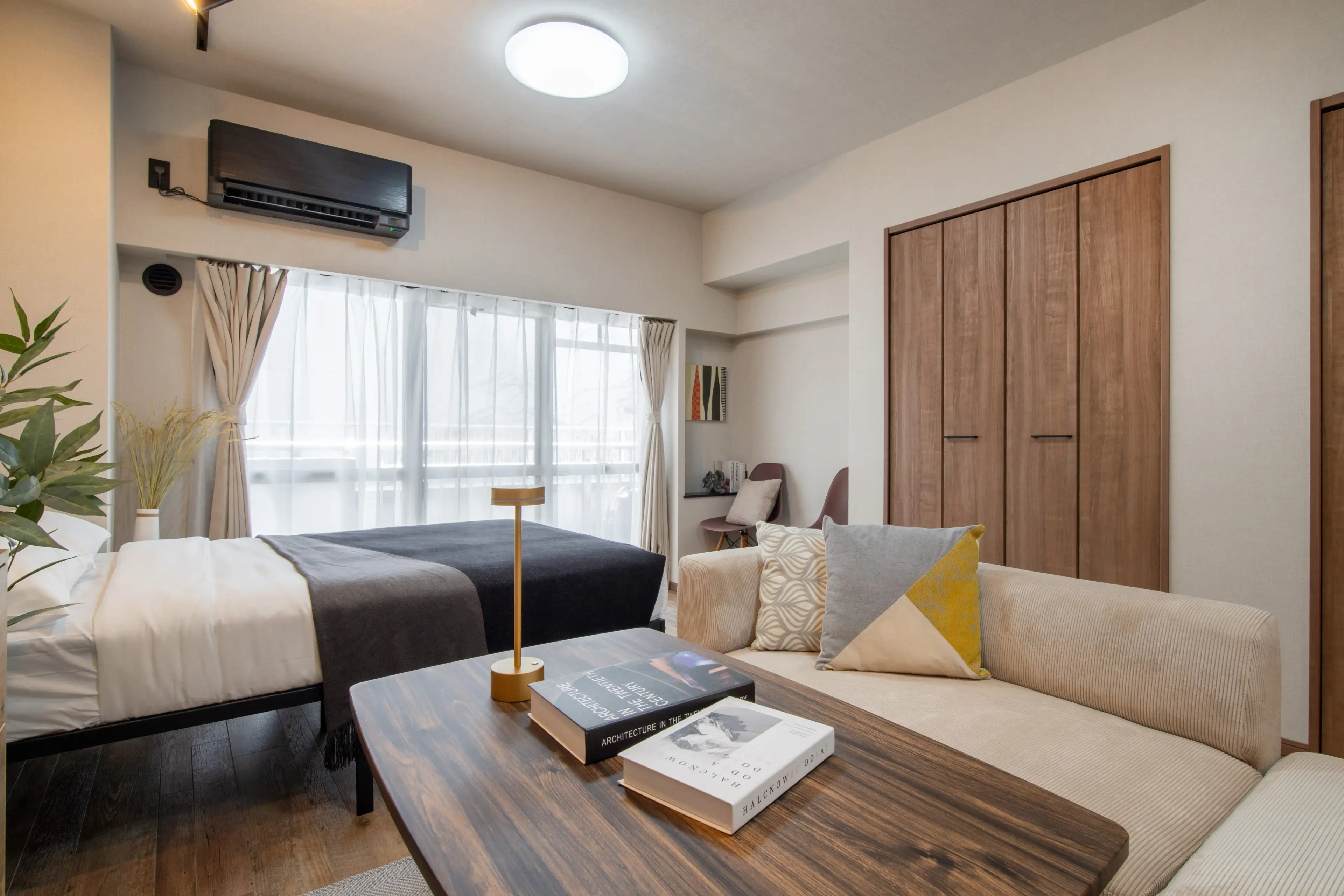 Occupied
Fully Furnished Apartment 20 Min to Takadanobaba
Iidabashi High Town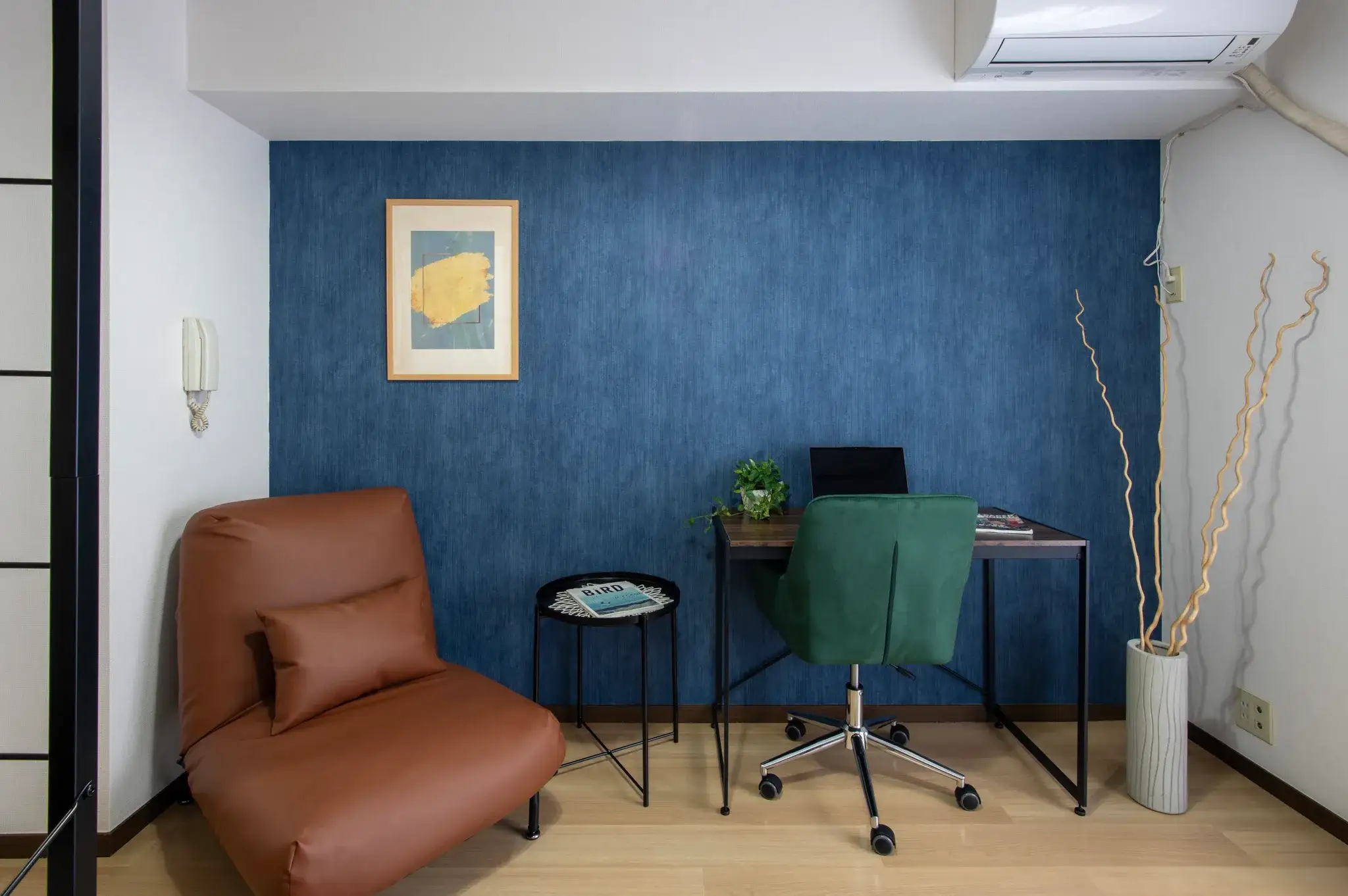 Possibly from Dec 3, 2026
Furnished apartment in Meguro
ML Meguro — 208
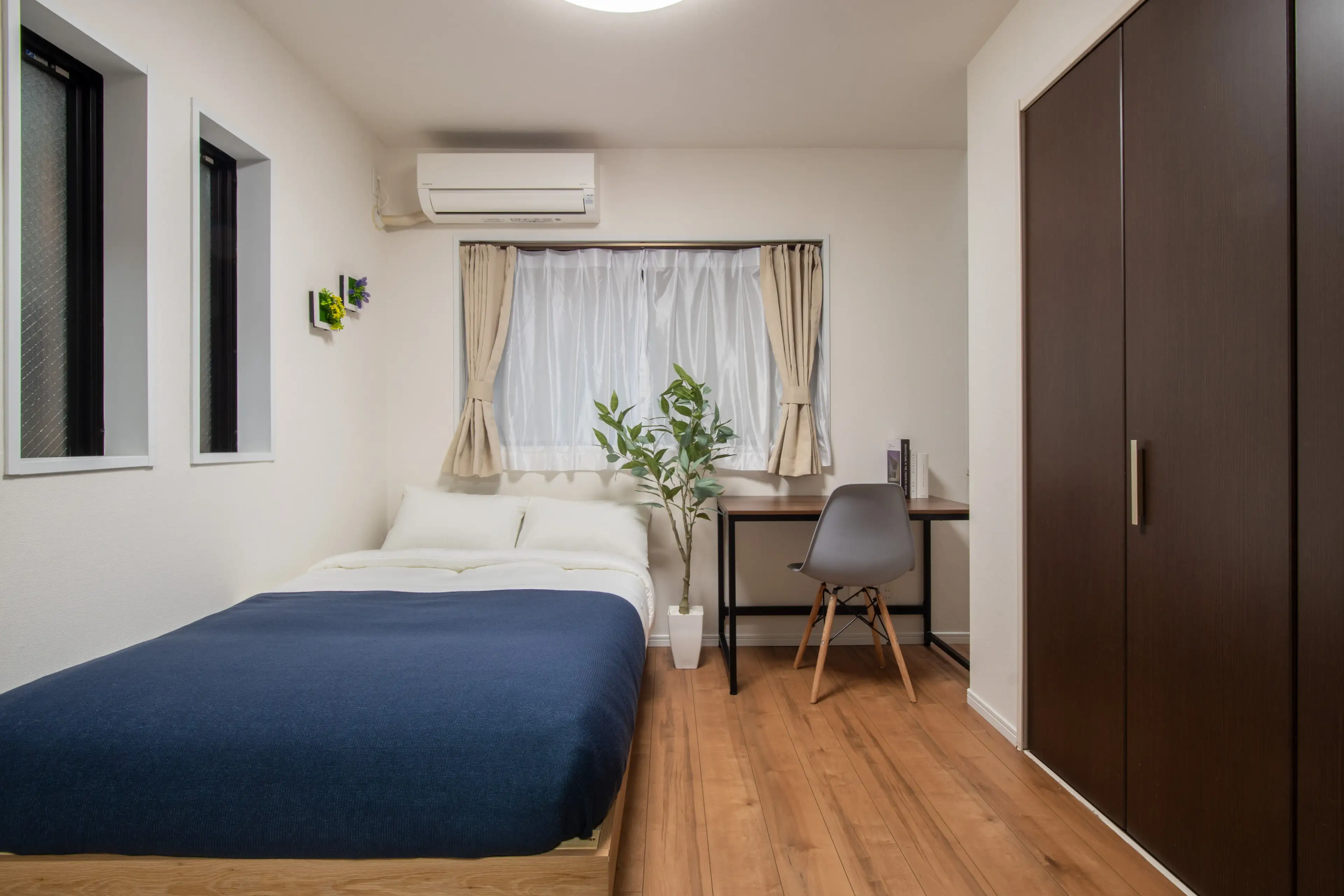 Available Now
Furnished apartment in Shinagawa
Beverly Homes Nishikoyama — 103