
Japan's Highly Skilled Professional Visa: Is It Worth It in 2026?

What Is Japan's Highly Skilled Professional (HSP) Visa?
The Japan Highly Skilled Professional visa 2026 remains one of the most powerful immigration pathways available to foreign professionals. Introduced in 2012 and significantly expanded since, it is Japan's answer to the global competition for top talent — offering a fast-track route to permanent residency and a package of privileges that standard work visas simply cannot match.
The HSP visa operates under three categories, each designed for a different type of professional:
- HSP-i (Advanced Academic Research Activities): Researchers, professors, and academic professionals
- HSP-ii (Advanced Specialized/Technical Activities): Engineers, IT professionals, and technically skilled workers in private companies
- HSP-iii (Advanced Business Management Activities): Senior executives, managers, and business founders
Unlike most Japanese visas, which are tied to a single employer and activity type, the HSP visa is points-based. Your qualifications, salary, age, and other factors combine into a score — and if you hit the threshold, you unlock a set of benefits that make living and working in Japan dramatically easier.

The HSP Visa Japan Points System Explained: Do You Qualify?
The HSP visa Japan points system is the heart of the entire framework. Immigration authorities assign points across several categories, and you need a minimum of 70 points to qualify. Scoring 80+ points unlocks an even faster permanent residency pathway.
How Points Are Calculated
Points are awarded across these main categories:
- Academic background: Doctorate (30 pts), Master's degree (20 pts), Bachelor's degree (10 pts)
- Professional experience: 10+ years (20 pts), 7+ years (15 pts), 5+ years (10 pts), 3+ years (5 pts)
- Annual salary: Ranges from 10 pts (¥3–4 million) up to 40 pts (¥10 million+)
- Age bonus: Under 30 years old (+15 pts), under 35 (+10 pts), under 40 (+5 pts)
- Japanese language ability: JLPT N1 (+15 pts), N2 (+10 pts)
- Graduating from a Japanese university: +10 pts
- Working for a designated innovative company or startup: +10–25 pts bonus
- Holding multiple Japanese qualifications or licenses: Additional bonus points
A concrete example: a 32-year-old software engineer with a Master's degree, 6 years of experience, and a ¥6 million salary in Tokyo would score roughly 55 points before any bonus categories — and would need bonus points (such as Japanese language ability or a designated employer) to clear the 70-point threshold.
Pro Tip: The Ministry of Justice offers an official self-assessment tool on their website (moj.go.jp) where you can calculate your points before applying. Run the numbers before starting the paperwork — it takes less than 10 minutes and can save you weeks of wasted effort.
Key Benefits: Fast-Track PR, Spouse Work Rights & More
This is where the Japan fast-track permanent residency pathway becomes genuinely exciting. The HSP visa's benefits go well beyond what most people expect from a Japanese work visa.
Accelerated Permanent Residency
Standard permanent residency in Japan requires 10 years of continuous residence. HSP visa holders cut that dramatically:
- 70–79 points: PR eligible after just 3 years
- 80+ points: PR eligible after just 1 year
In 2026, with Japan's ongoing labor shortages in tech, engineering, and finance, the government continues to prioritize processing HSP applications. This is the single biggest reason most professionals choose this route.
For a foreign professional serious about building a long-term life in Japan, the HSP visa's one-year path to permanent residency changes everything — it transforms a career posting into a genuine life choice.
Spouse Work Authorization
Your spouse or partner can work in Japan within their area of expertise — something completely unavailable on a standard Dependent visa, which limits spouses to 28 hours per week with a separate activity permit. This is a significant benefit for dual-career households.
Additional Privileges
- Multiple activities permitted: You can take on side consulting work or teaching roles without changing your visa status
- Parents can live with you: Under specific conditions, your parents (or your spouse's parents) can receive a Designated Activities visa to reside in Japan
- Domestic helpers allowed: HSP holders earning ¥10 million+ annually can hire foreign domestic workers, a privilege unavailable to other visa categories
- Priority processing: Government agencies handle HSP applications faster than standard work visa applications

How the High Skilled Visa Tokyo Benefits Compare to a Standard Work Visa
Many professionals arrive in Japan on a standard Engineer/Specialist in Humanities or Intra-company Transferee visa and only later discover what they're missing. Here's a clear side-by-side picture of the high skilled visa Tokyo advantages:
- PR timeline: HSP = 1–3 years vs. Standard = 10 years
- Spouse work rights: HSP = permitted within spouse's area of expertise vs. Standard = up to 28 hours/week with a separate activity permit
- Side work: HSP = generally permitted vs. Standard = requires separate permission
- Parents residing in Japan: HSP = possible under conditions vs. Standard = not generally available
- Employer change: HSP = more flexible, activity-based vs. Standard = often tied to sponsoring company
The trade-off? You need to qualify. Not every applicant will hit 70 points, particularly those early in their careers or on lower local salaries. But if you do qualify, switching from a standard work visa to HSP status is usually worth every step of the paperwork.
HSP Visa Japan Requirements: Application Steps, Processing Times & Common Pitfalls
Understanding the HSP visa Japan requirements before you start will save you significant frustration. Here is a practical step-by-step breakdown.
Application Steps
- Calculate your points using the Ministry of Justice self-assessment tool at moj.go.jp
- Gather your documents: This typically includes your diploma/degree certificate, employment contract, salary slips, tax records, resume, and employer's certificate of business activities
- Have documents translated: All non-Japanese documents must be accompanied by a certified Japanese translation
- Submit at the Regional Immigration Services Bureau: In Tokyo, this is the Tokyo Immigration Services Bureau in Minato Ward (Konan, near Shinagawa Station)
- Wait for processing: Standard processing currently takes 2–6 weeks for most applicants
- Receive your residence card with the "Highly Skilled Professional" designation
Common Pitfalls to Avoid
- Salary confusion: Points are based on your gross annual income in Japan — not bonuses or stock options in many cases. Confirm exactly what counts with your HR department.
- Missing the degree verification: Your academic credentials must be from a recognized institution. Some overseas degrees require additional certification.
- Forgetting the employer's documentation: Your company needs to submit a company registry (登記簿謄本) alongside your application. Many applicants are delayed because HR wasn't prepared for this step.
- Not applying for "point-certified" status first: You can apply for formal point certification before switching visas, which makes the PR application later much smoother. This step is optional but strongly recommended.
Heads Up: If you plan to apply for PR via the 1-year HSP route, your points must remain at 80+ for the entire qualifying period — not just at the moment of application. Keep records showing your continued eligibility throughout the year, including any salary changes or role updates.
Housing Considerations for HSP Visa Holders Relocating to Tokyo
Relocating to Tokyo as a highly skilled foreign professional comes with its own housing challenges — and the HSP visa status, while respected by authorities, doesn't automatically make Japan's notoriously difficult rental market easier to navigate.
The Standard Rental Market
Traditional Japanese apartments require a guarantor (保証人), key money (礼金), and agent fees — a move-in cost that can easily reach ¥300,000–¥600,000 before you even unpack. Many landlords still hesitate to rent to foreign nationals without a domestic guarantor or long employment history in Japan.
Why Many HSP Professionals Start With Furnished Housing
For professionals relocating on a new contract, there's a practical middle path: furnished apartments and sharehouses designed for international residents. These options offer:
- Move-in within days, not weeks — critical when your visa just came through
- No key money or guarantor requirements
- Bills and internet often included, reducing administrative burden while you're establishing yourself
- Flexible lease terms that give you time to find your preferred neighborhood before committing to a long-term contract
Many HSP professionals use furnished accommodation as a base for 3–6 months while scouting neighborhoods, getting bank accounts settled, and building the rental history that makes mainstream landlords more comfortable.

Where to Live in Tokyo as an HSP Professional
The neighborhoods that consistently attract highly skilled foreign professionals include Minato (Azabu-Juban, Hiroo, Roppongi), Shibuya, Shinjuku, and Bunkyo — areas with strong international communities, proximity to major business districts, and good access to international schools for families. Rent for a decent 1LDK in these areas runs roughly ¥150,000–¥250,000/month, while sharehouse rooms in the same districts start from around ¥70,000–¥100,000/month including utilities.
Is the Japan HSP Visa Worth It in 2026?
If you qualify, the answer is almost always yes. The combination of accelerated permanent residency, genuine spouse work rights, and greater professional flexibility makes the HSP visa one of the most forward-thinking immigration products Japan offers.
In 2026, Japan's talent competition with other Asian hubs — Singapore, South Korea, and increasingly Vietnam — means the government has strong incentives to keep processing times fast and the pathway attractive. Recent regulatory updates have also expanded the list of companies that carry bonus-point designations, making it easier for startup employees and SME professionals to qualify.
The key is doing the homework: calculate your points honestly, prepare your documents carefully, and have a clear housing and settlement plan ready before your first day on the ground in Tokyo.
At Modern Living Tokyo, we work with international professionals every month who arrive on HSP visas and need accommodation that's ready immediately — no Japanese guarantor, no complicated paperwork, just a comfortable furnished apartment or sharehouse in a great Tokyo neighborhood. If you're planning your relocation, get in touch — we'll help you land well from day one.

Modern Living Tokyo
Related Articles
 Moving Guide
Japan Digital Nomad Visa: Tokyo Living Guide 2026
Everything you need to know about Japan's digital nomad visa in 2026 — eligibility, banking, the best Tokyo neighborhoods, and how to find accommodation...
 Modern Living TokyoRead more →
 Moving Guide
Working Holiday Visa Japan: Everything You Need to Know (2026)
Everything you need to know about the working holiday visa Japan in 2026 — eligible countries, how to apply, jobs, housing tips, and visa conversion options.
Modern Living TokyoRead more → Moving Guide
Japan Visa Changes 2026: New Rules for Foreign Residents Explained
Every major change to Japan's visa, residency & immigration rules taking effect in 2026 — what foreign residents need to do now to stay compliant.
Modern Living TokyoRead more →Featured properties
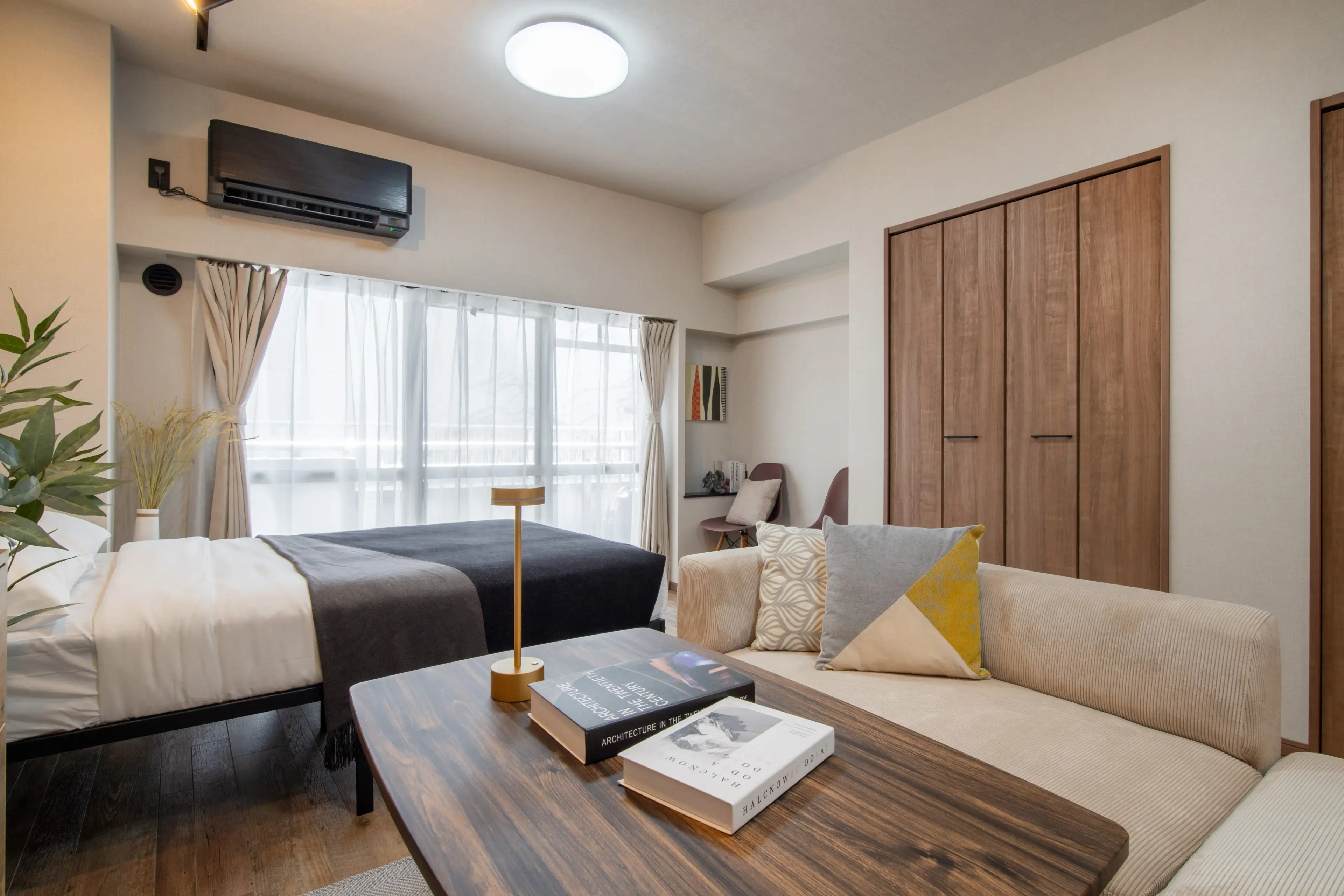 Occupied
Fully Furnished Apartment 20 Min to Takadanobaba
Iidabashi High Town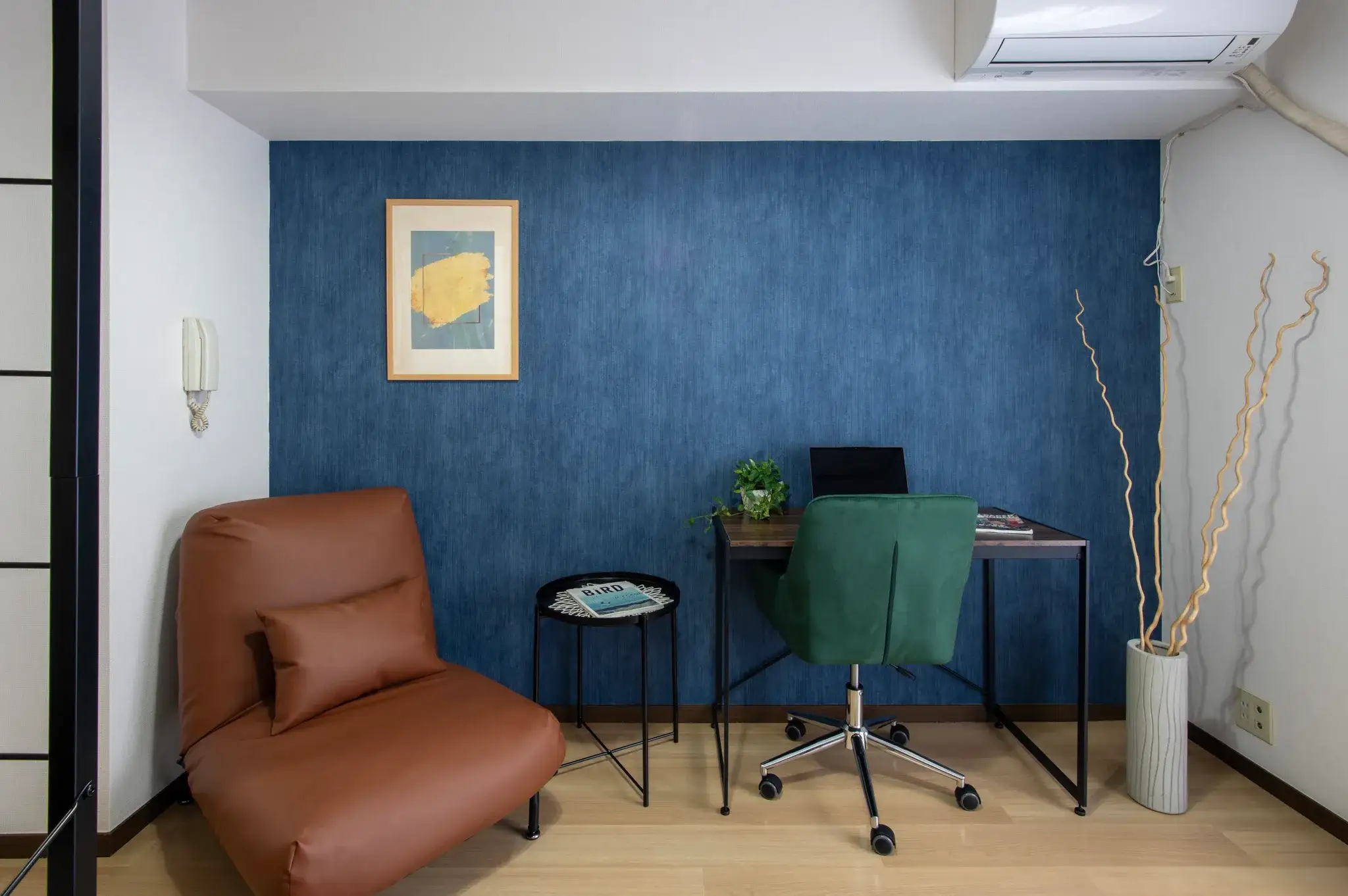 Possibly from Dec 3, 2026
Furnished apartment in Meguro
ML Meguro — 208
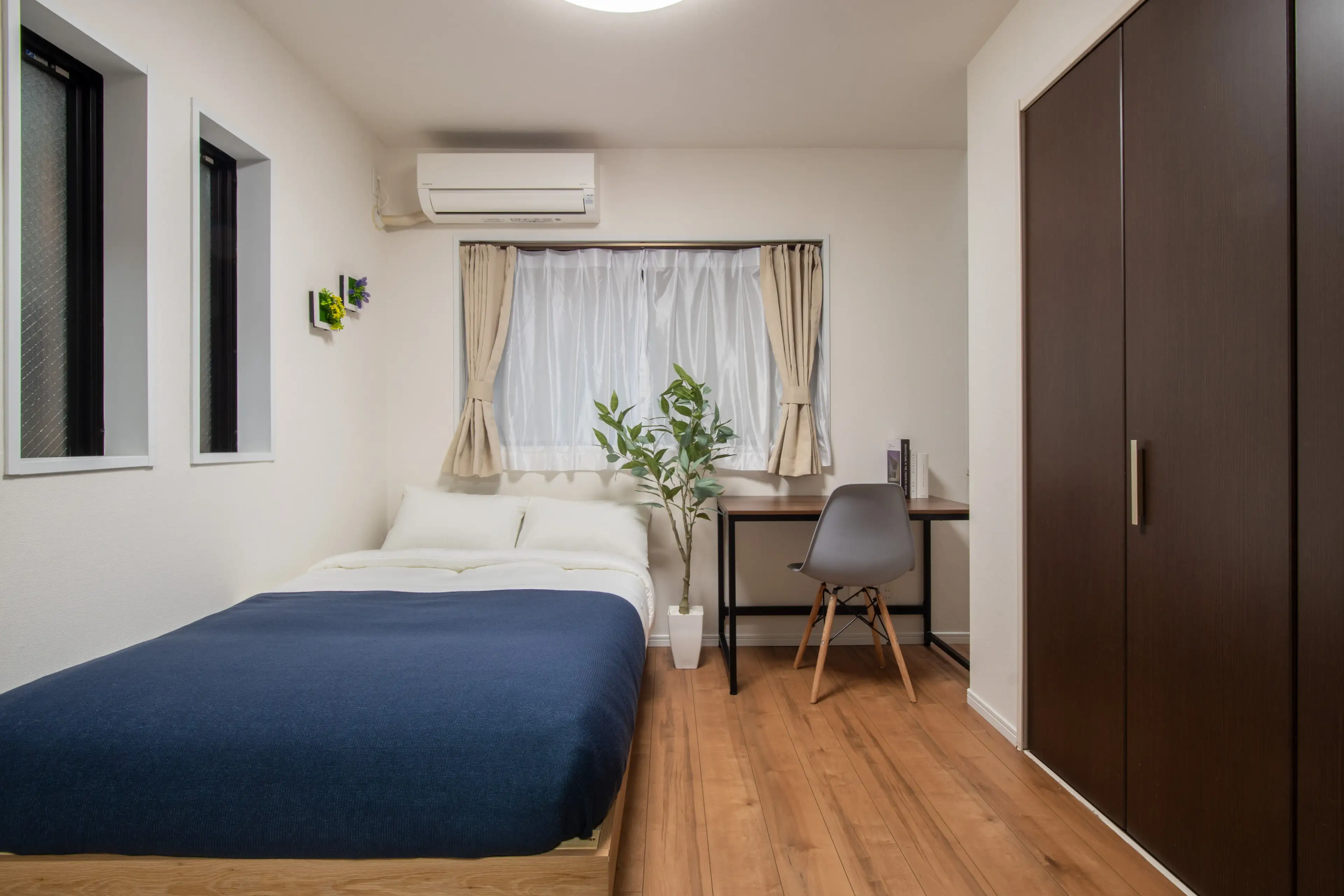 Available Now¥20,000 OFF90d
Furnished apartment in Shinagawa
Beverly Homes Nishikoyama — 103