
Asakusa & East Tokyo: Culture, Charm & Surprisingly Low Rent

Why East Tokyo Is Having a Moment
If you're searching for an asakusa living guide or exploring east Tokyo neighborhoods for the first time, you've stumbled onto one of the city's best-kept open secrets. While expats and newcomers traditionally flock to Shibuya, Shinjuku, or the trendy cafés of Shimokitazawa, a quiet but unmistakable shift is happening east of the Sumida River.
East Tokyo — encompassing areas like Asakusa, Kuramae, Kiyosumi-Shirakawa, Kinshicho, and Ryogoku — has become a genuine destination for people who want authentic Tokyo life without the premium price tag. Young Japanese creatives, boutique shop owners, and savvy internationals are all moving in.
The area carries a sense of shitamachi — the old downtown spirit of Edo-era Tokyo. Streets are narrow and lively, neighbors actually greet each other, and the pace of life feels refreshingly human compared to the west side of the city.

Rent Comparison: East Tokyo vs. West Tokyo
Let's talk numbers — because this is where east Tokyo really makes its case. Rent in areas like Shibuya, Roppongi, and Minato can be eye-watering for a solo expat on a typical budget.
Here's a rough monthly rent comparison for a standard 1K or 1R apartment (around 20–25 sqm):
- Shibuya / Roppongi: ¥110,000–¥150,000+
- Shinjuku: ¥90,000–¥130,000
- Shimokitazawa / Nakameguro: ¥85,000–¥120,000
- Asakusa / Taito Ward: ¥65,000–¥90,000
- Kinshicho / Sumida Ward: ¥55,000–¥80,000
- Kiyosumi-Shirakawa / Koto Ward: ¥60,000–¥85,000
The savings are significant — we're talking ¥30,000 to ¥50,000 per month compared to similar-sized places in west Tokyo. That's money back in your pocket for travel, food, and actually enjoying Tokyo.
For those considering sharehouse or furnished apartment options, east Tokyo delivers even more value. A private room in a well-managed sharehouse in Asakusa or nearby Kuramae can run as low as ¥50,000–¥65,000 per month, often with utilities included — making it one of the most affordable entry points into Tokyo living.
Pro Tip: Taito Ward (which includes Asakusa) consistently ranks among the most affordable central wards in Tokyo. If you're comparing neighborhoods, also look at Sumida and Koto wards — they border Asakusa and offer similar pricing with excellent transit access.
The Food Scene: Authentic, Local & Remarkably Affordable
East Tokyo's food scene is one of its strongest arguments for living here. This is not a neighborhood built around trendy ¥1,800 avocado toast — it's a place where real Tokyo food culture has survived for generations.
Asakusa is home to some of the city's oldest and most beloved food institutions. Asakusa Imahan has been serving sukiyaki since 1895. Daikokuya, just off Nakamise-dori, is famous for its tempura rice bowls that draw lines even on weekdays. And Sometaro on Hoppy Street is a beloved okonomiyaki spot where you cook your own at the table.

Beyond the famous spots, the everyday eating is what really wins people over:
- Hoppy Street (Hoppy-dori): A lively strip of izakayas where a beer and skewers costs under ¥1,000
- Kappabashi Kitchen Town: Not just cookware shops — the surrounding streets have fantastic ramen, set-lunch deals, and bakeries
- Kinshicho's restaurant district: Incredible Korean BBQ, yakitori alleys, and izakayas frequented by local salarymen
- Tsukishima: A short ride away and famous for monjayaki (Tokyo-style savory pancakes)
- Morning markets near Senso-ji: Fresh produce, pickles, and snacks at prices that haven't kept up with Tokyo's inflation
A full sit-down lunch at a neighborhood teishoku (set meal) restaurant will typically cost ¥800–¥1,200. Dinner at a local izakaya rarely breaks ¥3,000 per person with drinks. This is a genuine budget advantage compared to dining in Ebisu or Daikanyama.
"East Tokyo doesn't perform authenticity — it just is authentic. The food, the people, the streets. It's the Tokyo that Tokyo forgot to make expensive."
Tourist Crowds vs. Residential Reality
One of the most common concerns we hear from people considering an asakusa living guide search: "Isn't Asakusa just crowded with tourists all the time?"
The honest answer — yes and no. Senso-ji Temple and Nakamise-dori are absolutely packed on weekends, especially during golden week or cherry blossom season. But the tourist footprint is surprisingly contained.
Walk three blocks north of Nakamise-dori and you're in a quiet residential pocket where kids ride bikes and grandmothers sweep the sidewalk in front of their homes. Streets like Hanakawado and areas around Asakusa 2-chome and 3-chome are calm, local, and genuinely residential.
The tourists are mostly gone by 6pm. By evening, Asakusa transforms into a neighborhood where locals are eating, drinking, and going about their lives. It's one of the few central Tokyo areas where this kind of dual identity actually works in a resident's favor.
Good to Know: If tourist noise is a concern, look for apartments on the north or west sides of Asakusa station, or explore nearby Kuramae (just one stop south) — it has a distinctly creative, quieter vibe with independent cafés and design studios, and almost zero tourist foot traffic.
Hidden Gems Only Locals Know
Once you've been living in east Tokyo for a few weeks, you start discovering layers that no guidebook covers. Here are some genuinely local favourites worth knowing about:
Kuramae: Tokyo's Brooklyn Moment
Kuramae has emerged as one of Tokyo's most exciting micro-neighbourhoods. Former wholesale warehouses have been converted into specialty coffee shops (Nakamura Tea Life Store, Nozy Coffee), handcraft studios, and independent boutiques. It's Daikanyama's aesthetic at a fraction of the rent.
Yanaka Ginza: A Shopping Street Frozen in Time
A short ride or bike from Asakusa, Yanaka Ginza is a covered shotengai (shopping arcade) that feels like it hasn't changed since the 1970s. Tofu shops, cat cafés, sembei (rice cracker) vendors, and friendly locals. Perfect for a slow Sunday afternoon.
Kiyosumi Garden
One of Tokyo's most beautiful traditional gardens, and almost always quieter than Shinjuku Gyoen or Hamarikyu. Free on designated days, and surrounded by the increasingly cool Kiyosumi-Shirakawa coffee district.
Ryogoku's Sumo Culture
Home to the Kokugikan Arena and several sumo stables, Ryogoku lets you experience sumo training at a level of closeness that feels surreal. Some stables allow visitors to observe morning practice — a genuinely unforgettable experience that requires no ticket or booking fee.

Getting Around: Transit Options in East Tokyo
Transit is one area where east Tokyo sometimes gets unfairly criticized — and it's worth setting the record straight. The area is very well connected, just through different lines than west Tokyo.
Key Lines to Know
- Tokyo Metro Ginza Line: Connects Asakusa directly to Ueno, Nihonbashi, Ginza, Shibuya — one of the busiest commuter lines in the city
- Tobu Skytree Line: Runs from Asakusa northeast toward Saitama, useful for those commuting north
- Tokyo Metro Hanzomon Line: From Oshiage/Kinshicho, reaching Shibuya in around 25 minutes
- JR Sobu Line: Kinshicho to Shinjuku in approximately 20 minutes
- Toei Asakusa Line: Connects into the Keikyu network, giving direct access to Shinagawa, Haneda Airport, and Yokohama without a transfer
Cycling Culture
East Tokyo is remarkably flat — there are virtually no hills between Asakusa, Ryogoku, and Kiyosumi-Shirakawa. This makes it one of the best parts of Tokyo for cycling as a daily commute or weekend exploration. Many residents rely on a bicycle as their primary transport for trips under 30 minutes.
Tokyo Skytree as a Landmark
Living near the Skytree is more than just a photo opportunity. The Oshiage Station complex underneath it is a major transit hub where four different lines converge, making it easier to get almost anywhere in the city without going via the major west-side hubs.
Pro Tip: A monthly commuter pass (teiki) from Asakusa to central business districts like Marunouchi or Ginza is typically ¥8,000–¥12,000/month — noticeably cheaper than commuting in from many west Tokyo residential areas.
Is East Tokyo Right for You?
East Tokyo won't suit everyone. If you need to be within walking distance of Shibuya's nightlife or you work at a company in West Shinjuku, the commute adds up. And if you're someone who thrives on the curated, international feel of neighborhoods like Hiroo or Azabu, east Tokyo's more local, Japanese-language-dominant environment may take some adjustment.
But if you're the kind of person who wants to actually live in Tokyo rather than just exist in an expat bubble — to shop at the local shotengai, eat breakfast at the neighborhood kissaten, and feel the rhythm of a city that's been doing this for centuries — east Tokyo is hard to beat.
The combination of low rent, great food, genuine culture, solid transit, and a community spirit that west Tokyo has largely priced out makes this part of the city one of the smartest places to put down roots.
At Modern Living Tokyo, we have furnished apartments and sharehouse options in and around east Tokyo neighborhoods — move-in ready, no guarantor required, with English-speaking support throughout. If you're curious about starting your Tokyo life on the east side, get in touch with our team and we'll help you find the right fit.
Modern Living Tokyo
Related Articles
 Neighborhood
Best Share Houses in Edogawa, Tokyo: Affordable East Tokyo Living
Discover why Edogawa is one of Tokyo's best-value neighborhoods for expats — with share house rents from ¥35,000/month and solid city access.
 Modern Living TokyoRead more →
 Neighborhood
Chofu & West Tokyo Apartments: Quiet Living Near the Keio Line
Chofu and West Tokyo's Keio Line offer quiet living, low rents, and a 22-minute commute to Shinjuku — here's everything you need to know.
Modern Living TokyoRead more → Neighborhood
Daikanyama Living Guide: Premium Tokyo Without Roppongi Prices
Daikanyama offers premium Tokyo living — boutique cafes, low-rise streets, and Shibuya in 2 minutes — without Roppongi prices. Here's everything you need to...
Modern Living TokyoRead more →Featured properties
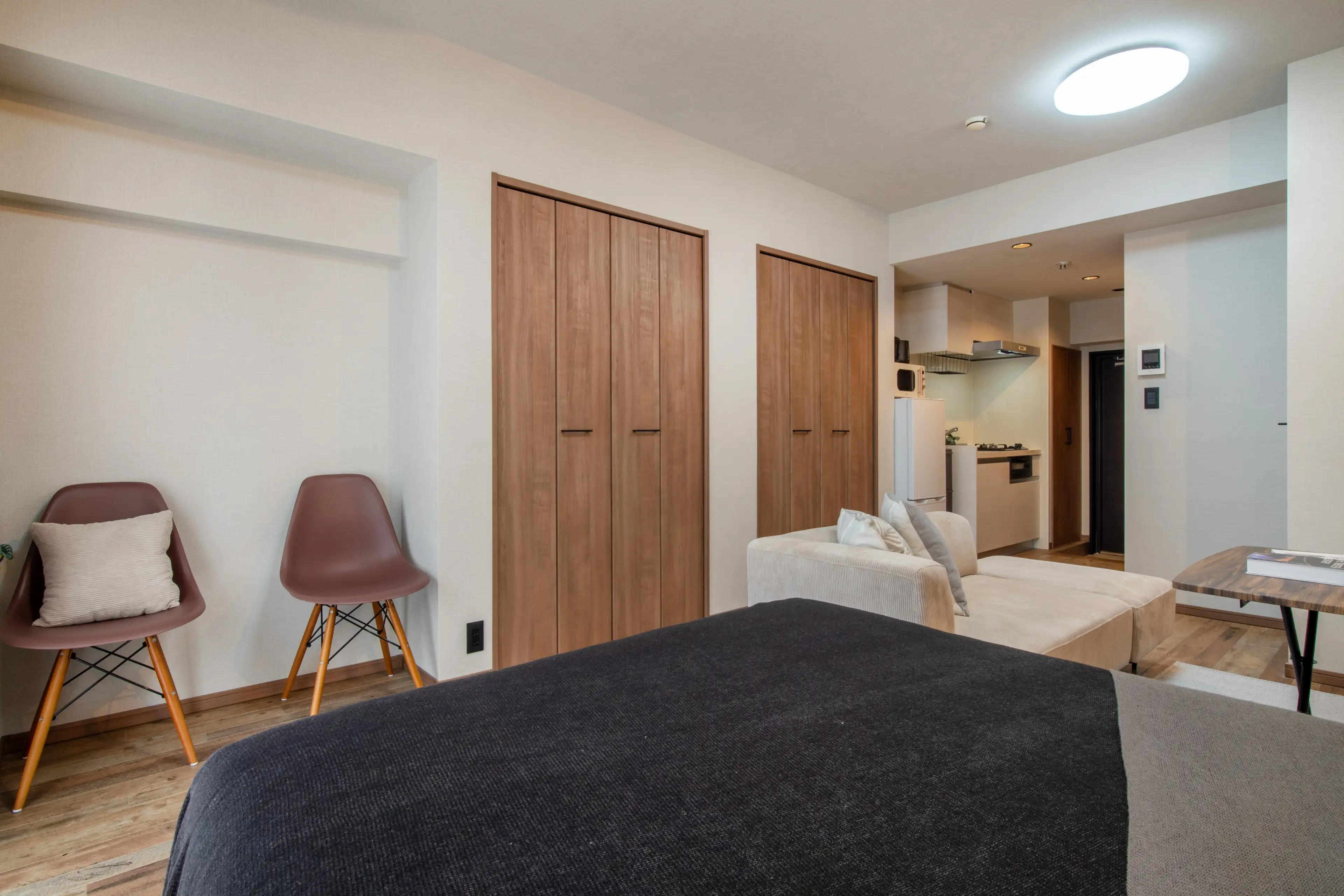
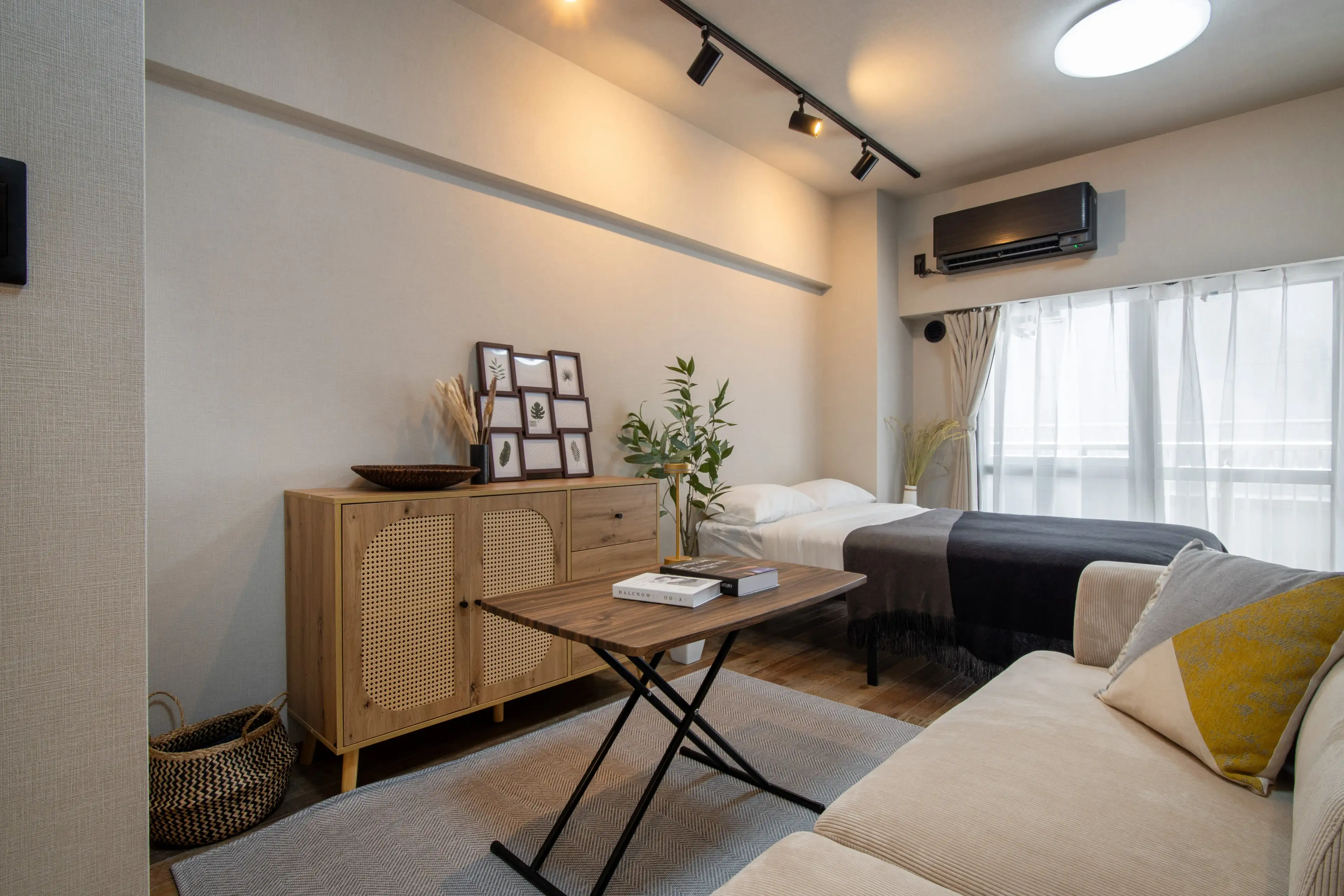
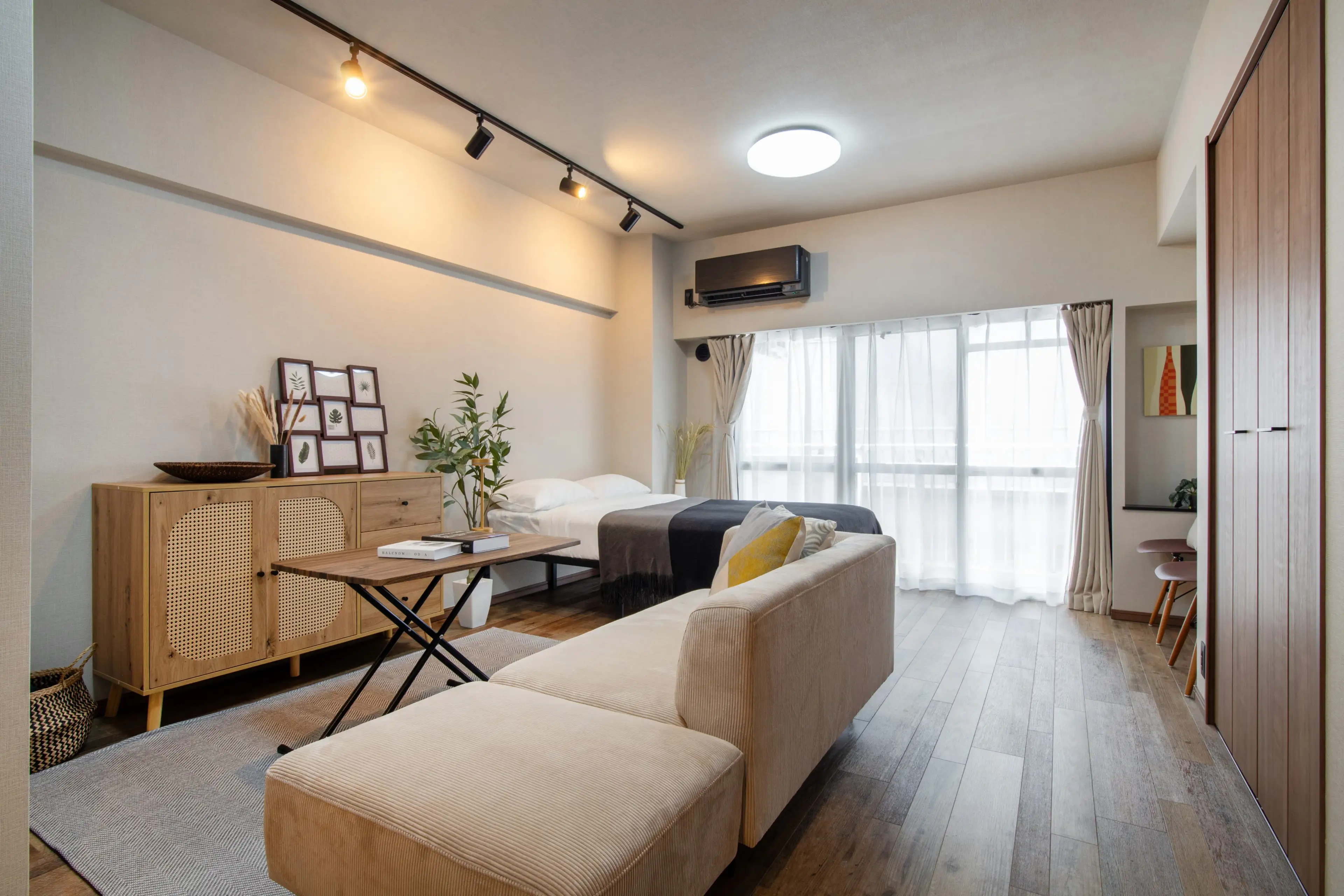
Iidabashi High Town
Furnished Apartment in Shinjuku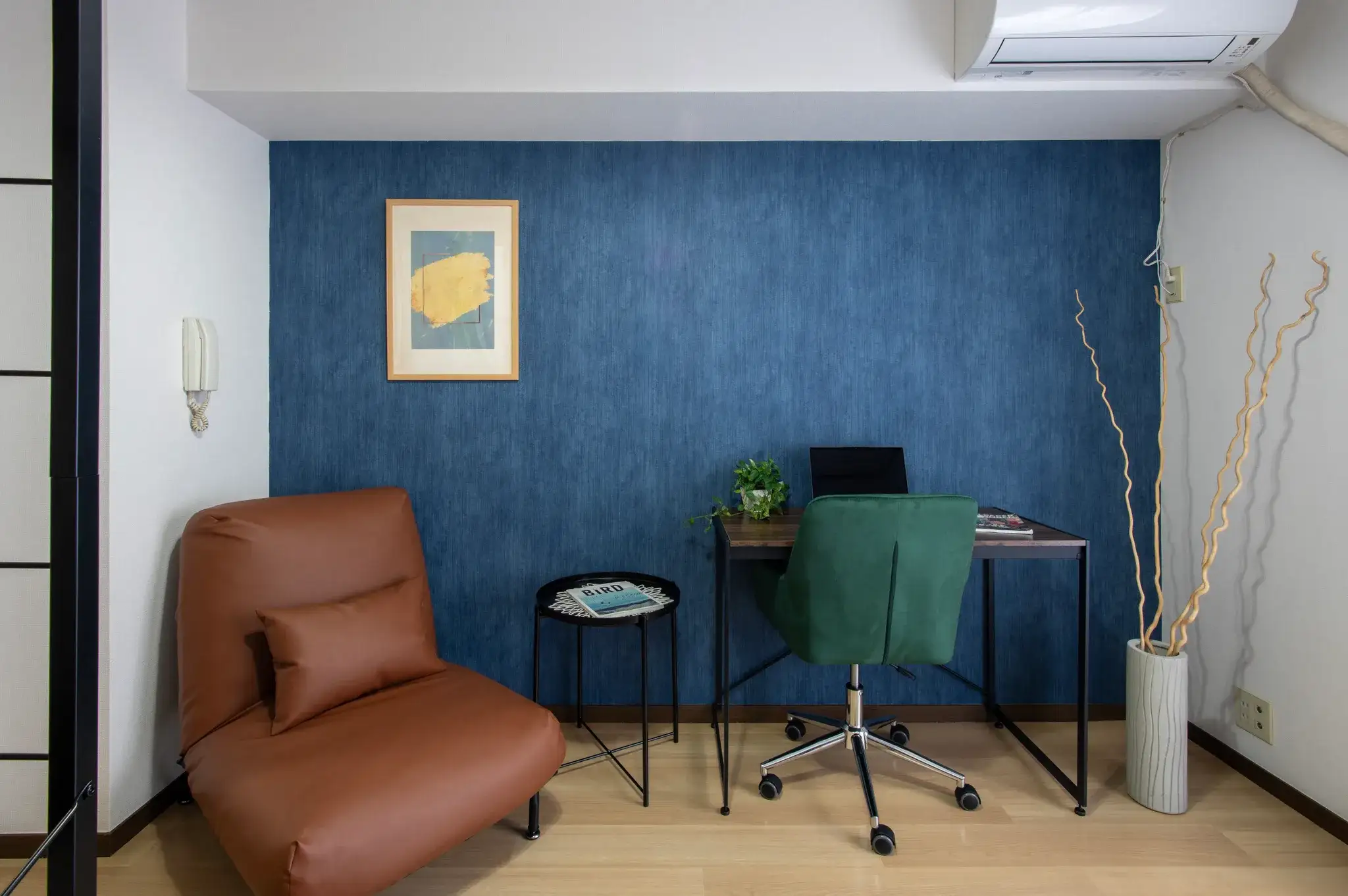
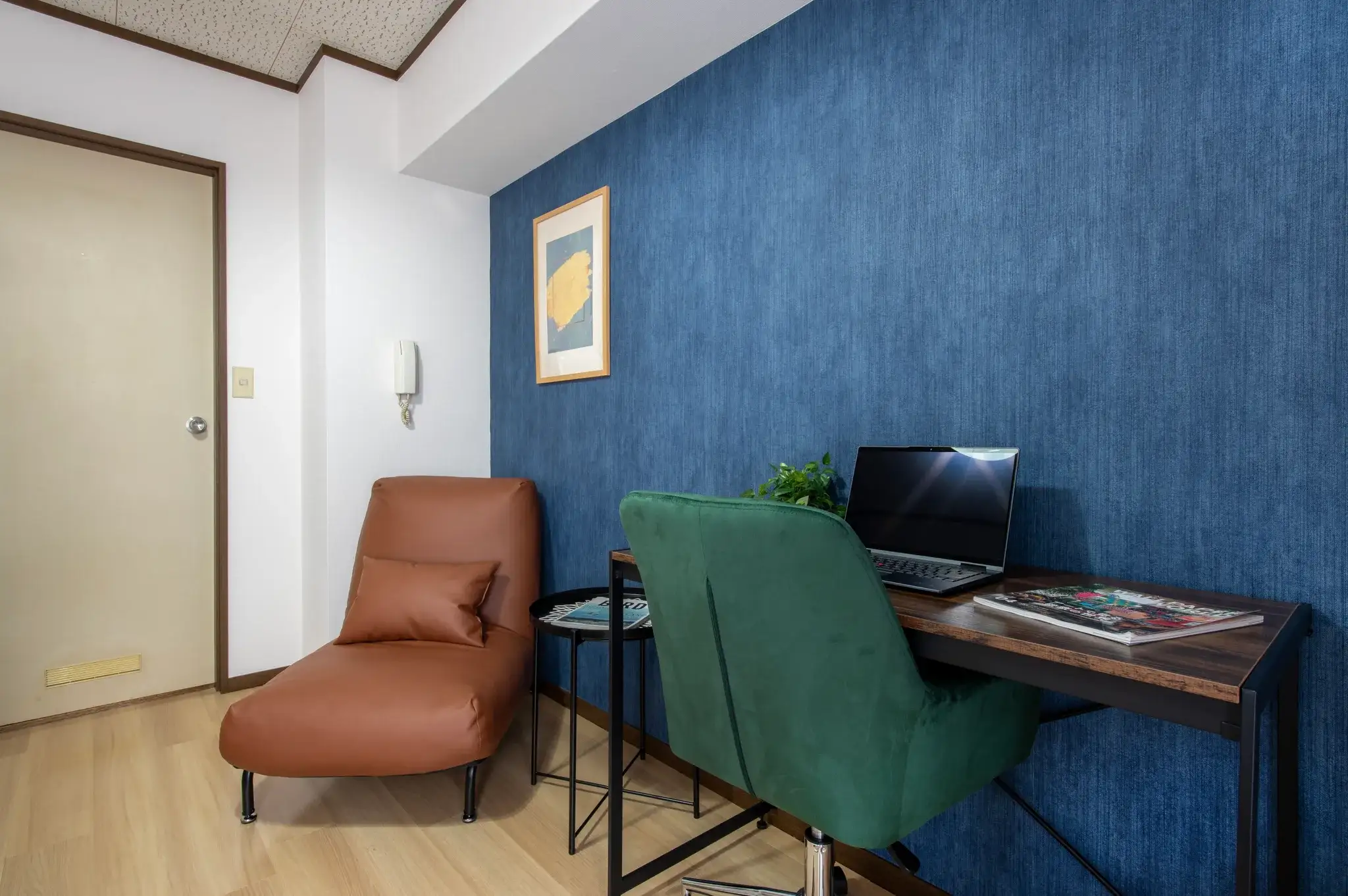
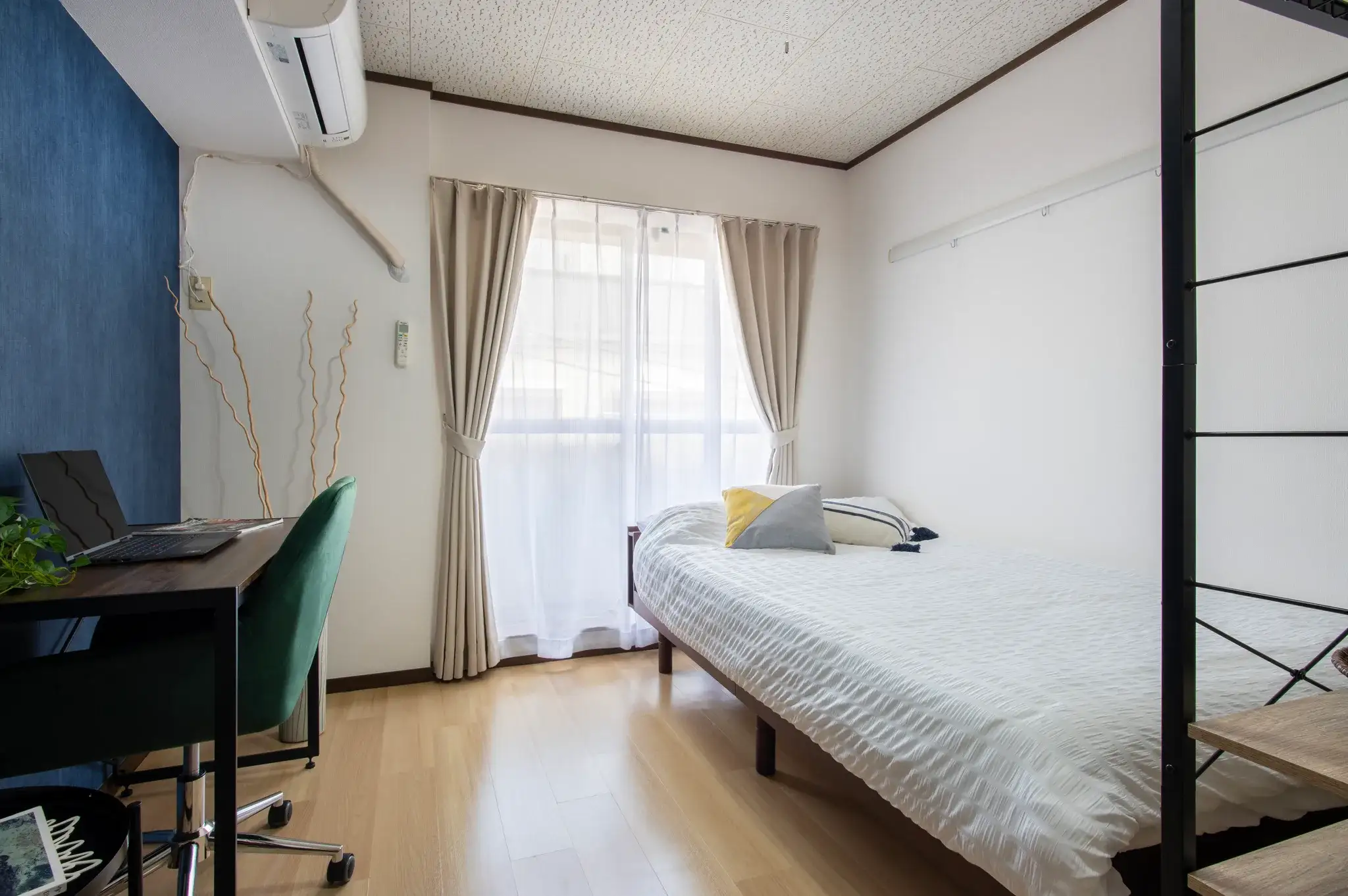
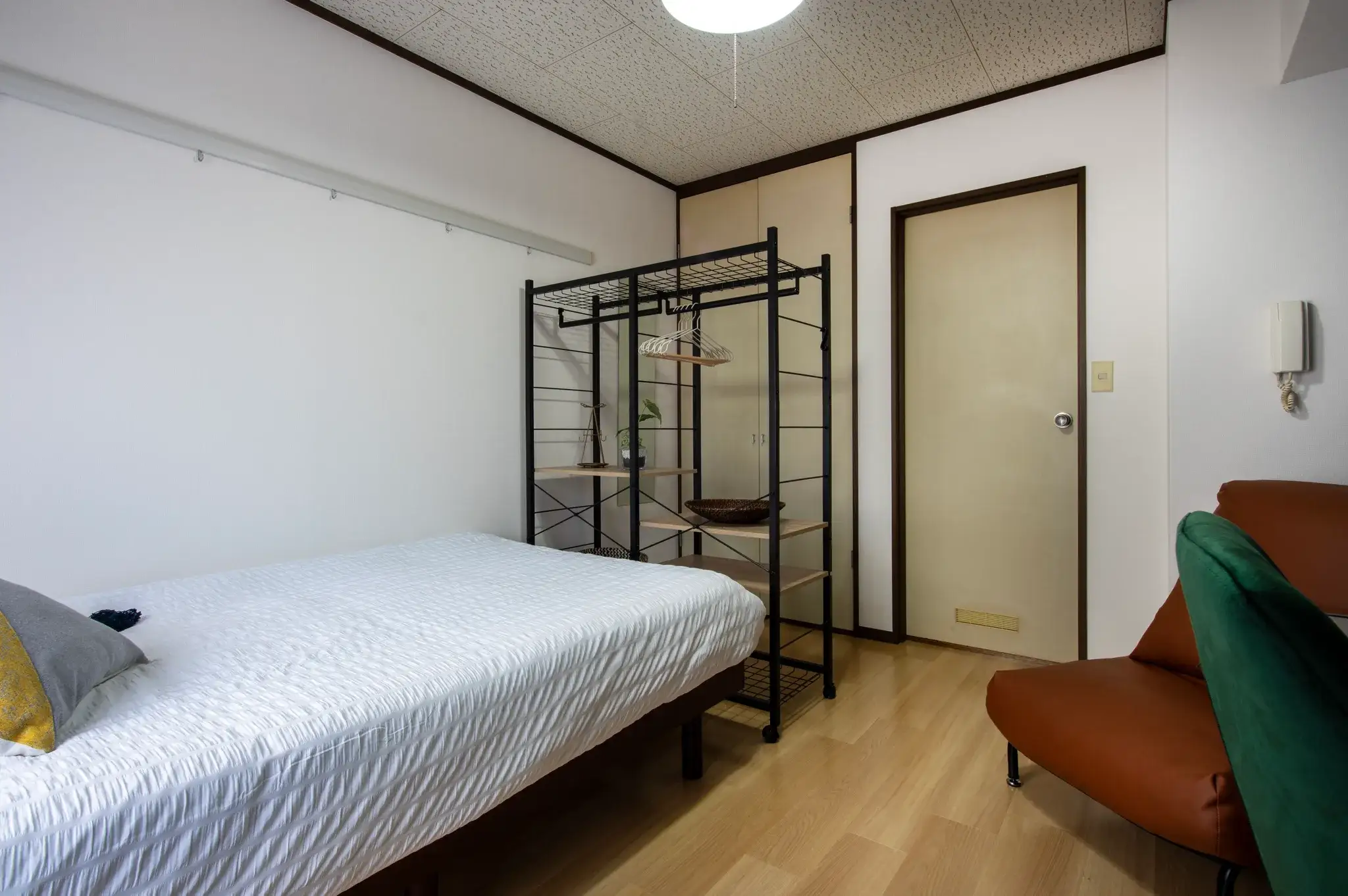
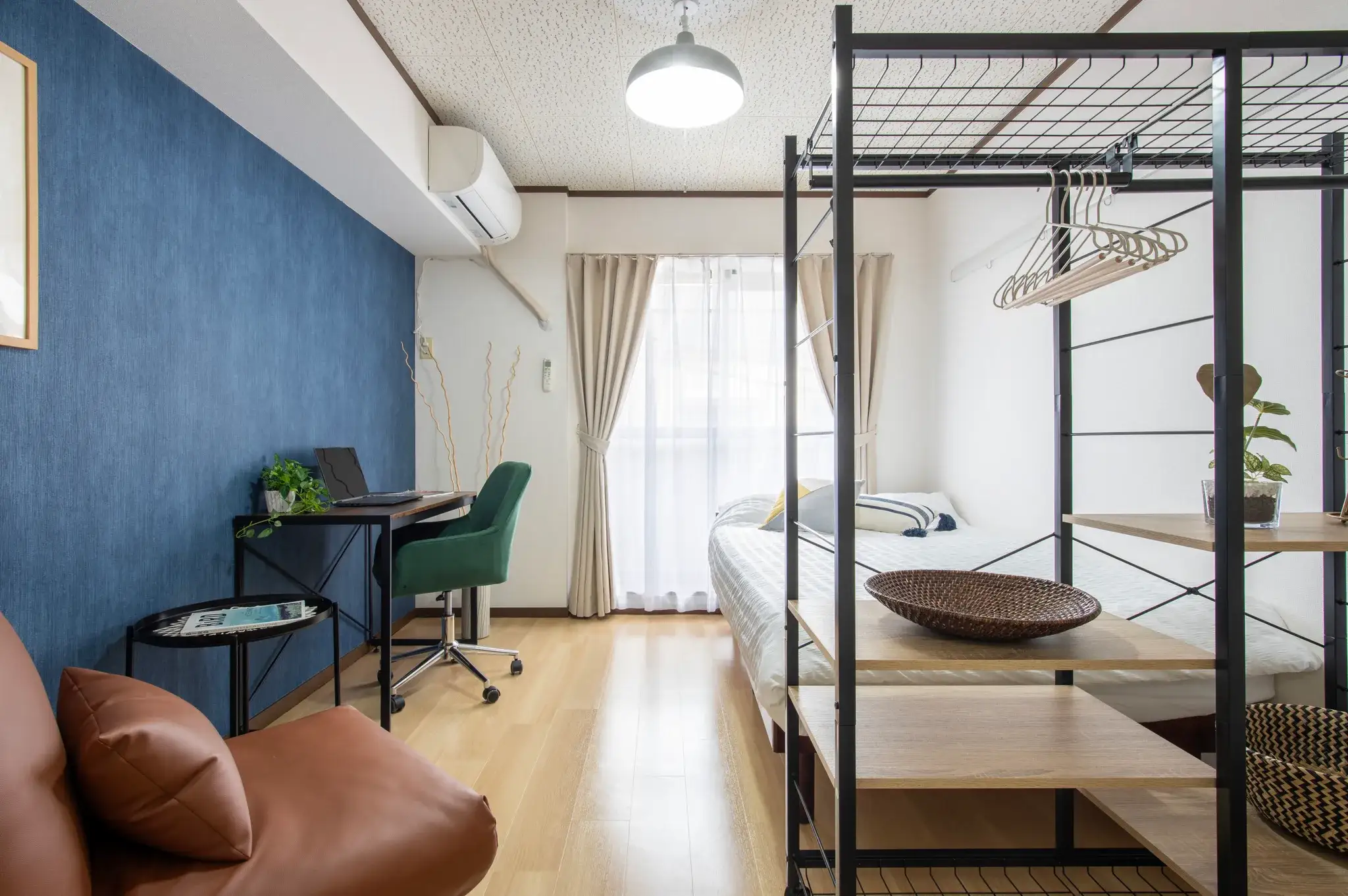
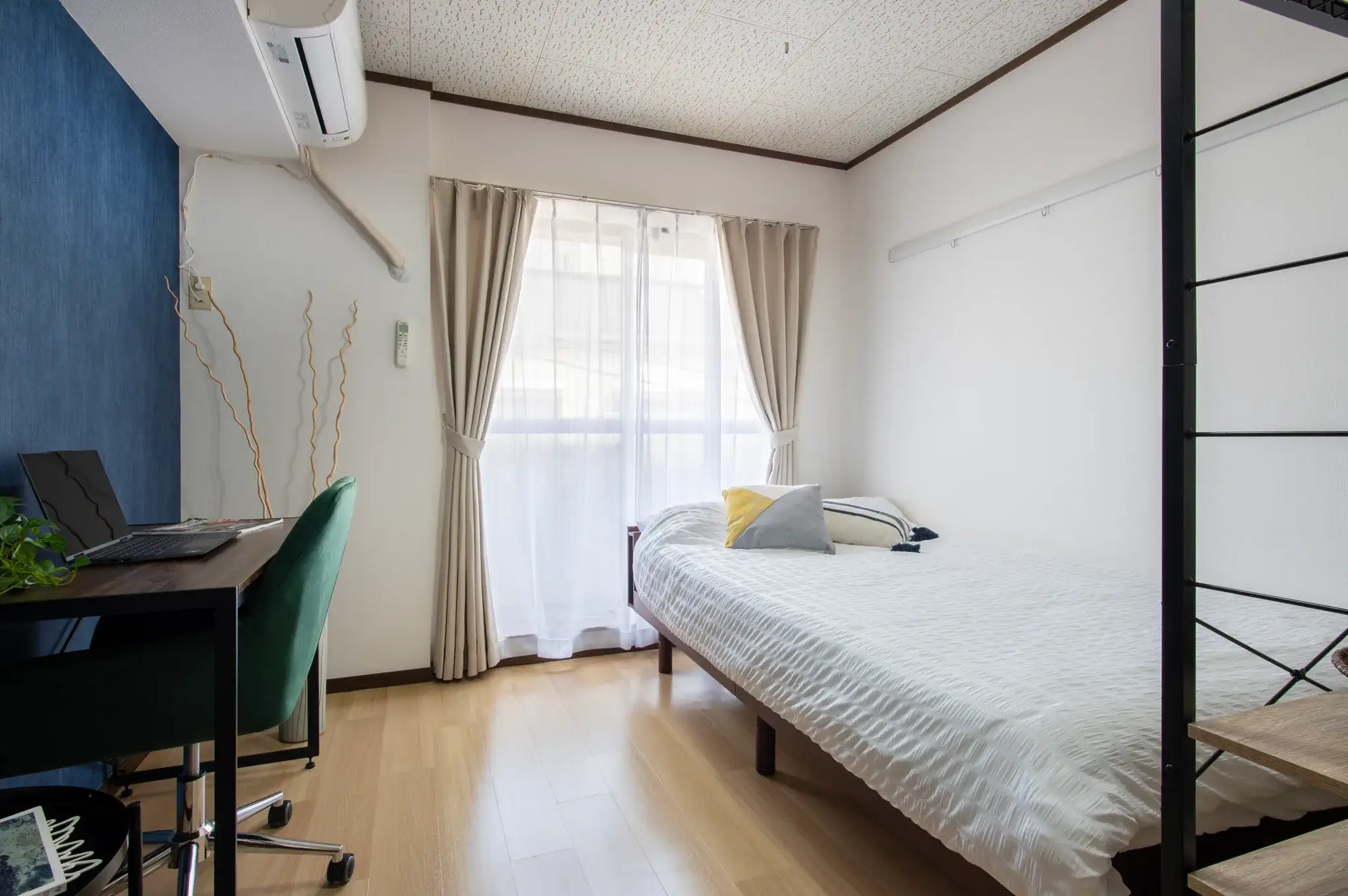
ML Meguro — 208
Furnished Apartment in Nishi Koyama — ML Meguro
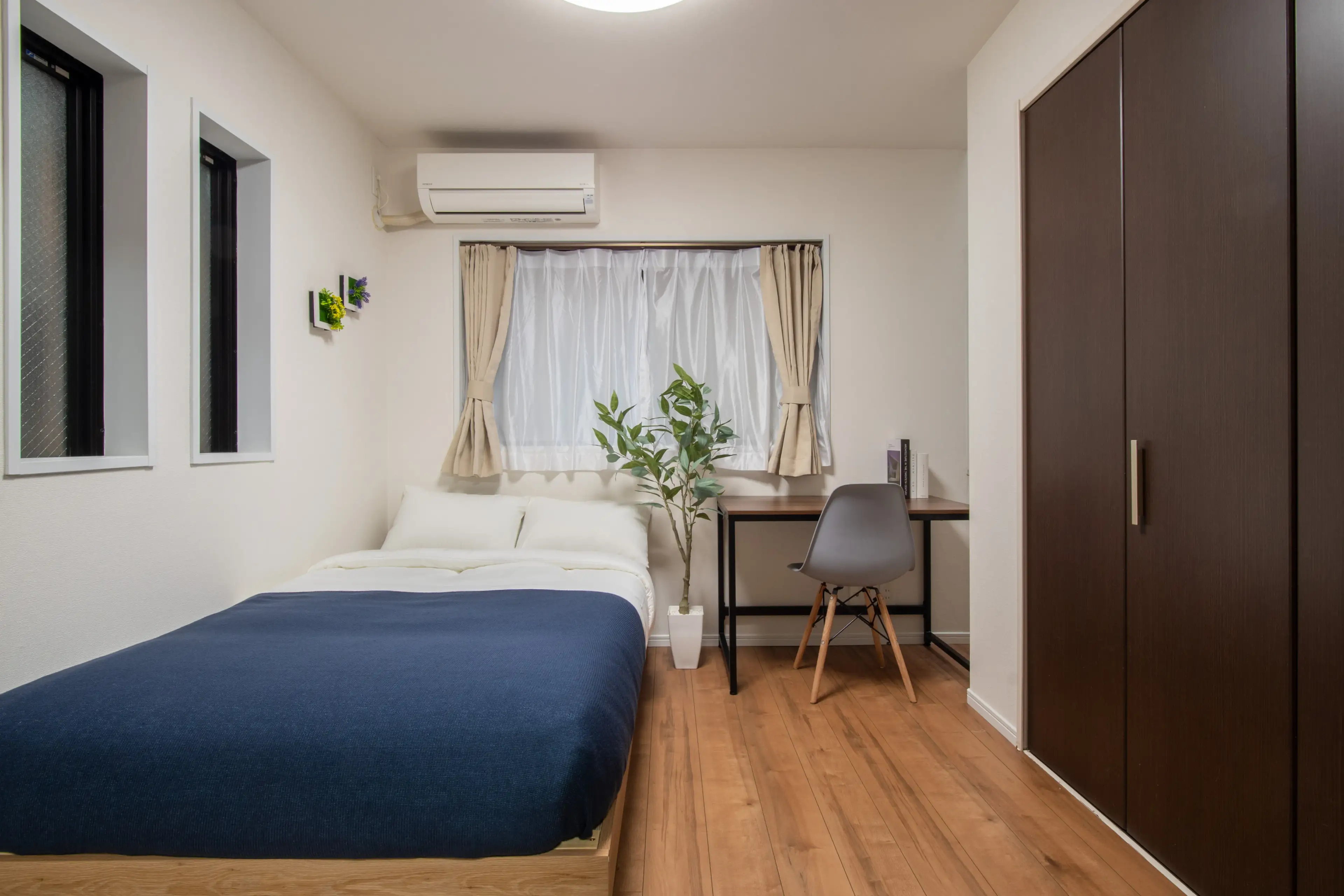
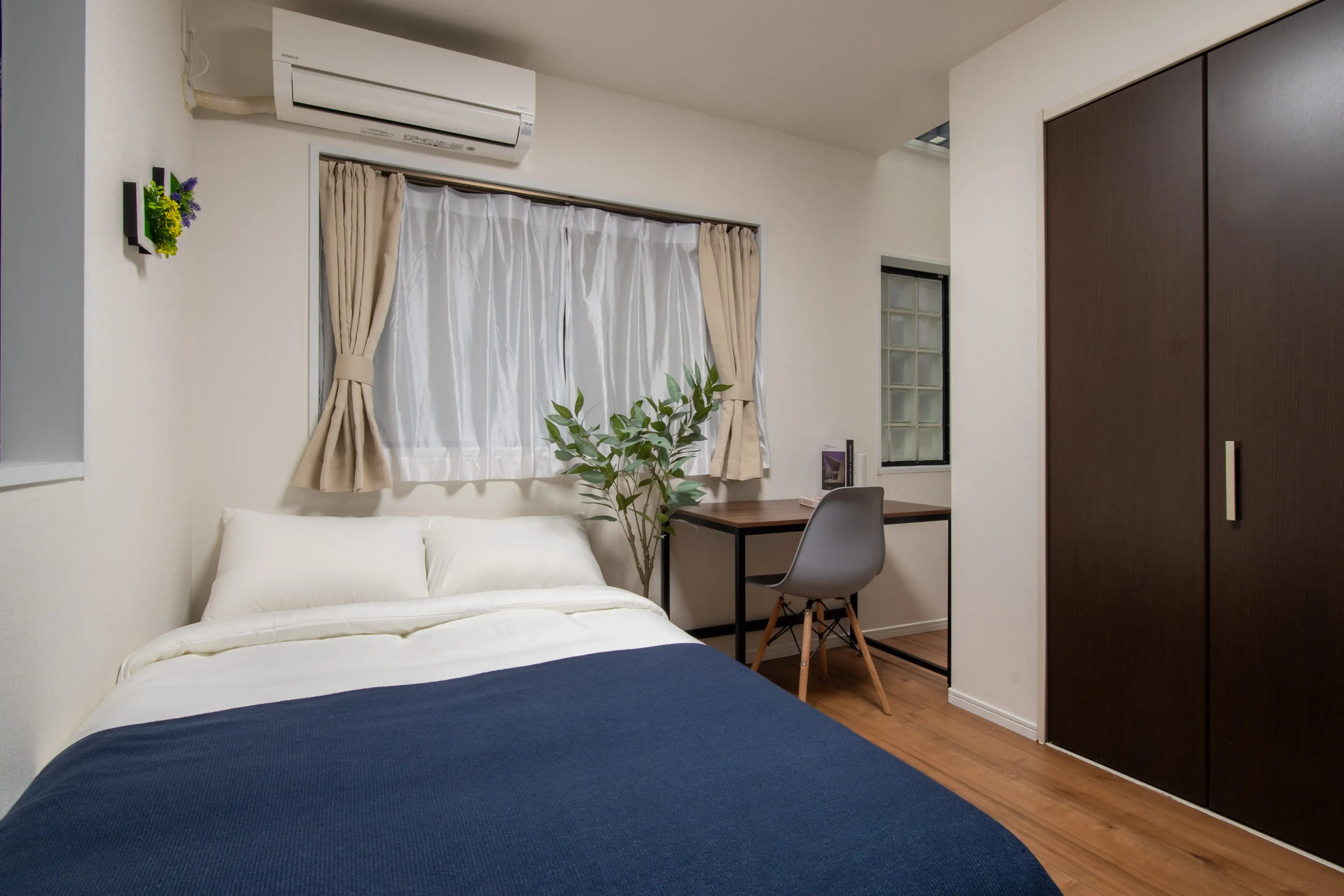
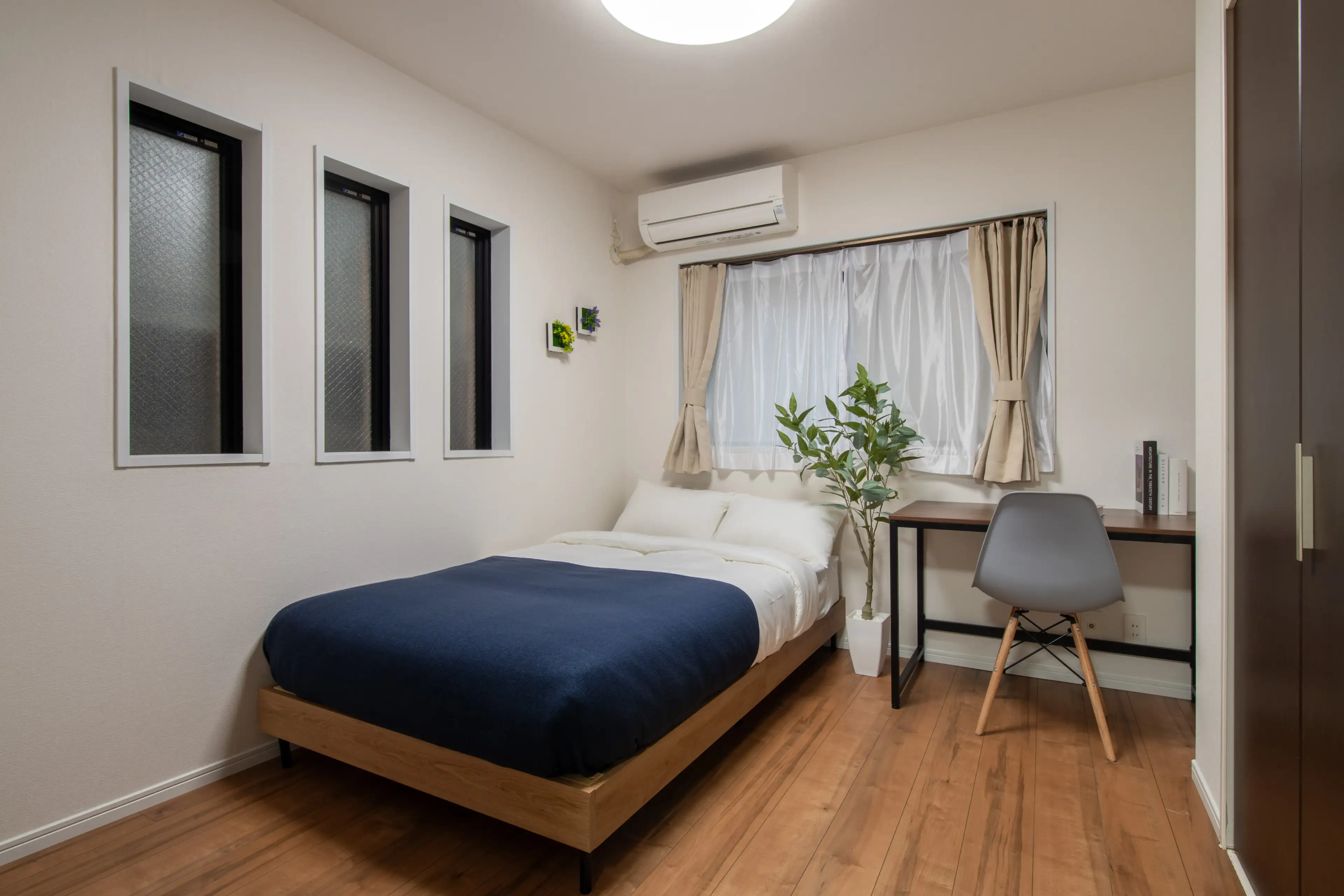
Beverly Homes Nishikoyama — 103
Furnished Apartment in Nishi Koyama — Beverly Homes