
Tokyo Rainy Season Living Guide: Tsuyu Survival Tips

What Is Tsuyu? Understanding Tokyo's Rainy Season
For Tokyo rainy season foreigners, the annual tsuyu (梅雨) can come as a shock. Tokyo's rainy season typically runs from early June to mid-July, bringing weeks of grey skies, relentless drizzle, and humidity levels that regularly climb above 80%. If you've never experienced a Japanese summer before, this is your essential guide to surviving — and even enjoying — it.
The word tsuyu literally means "plum rain," named after the season when ume plums ripen. The rainy season officially begins when the Japan Meteorological Agency announces the tsuyu-iri (入り), usually around June 8–12 for Tokyo. It ends with the tsuyu-ake announcement, typically around July 19–21.
Don't expect constant heavy downpours. Tsuyu is more often characterized by long spells of light, persistent rain interrupted by sudden intense storms. Temperatures during this period hover between 20°C and 28°C — warm enough to feel oppressively sticky when the humidity peaks.

Apartment Life During Tsuyu: Mold, Humidity & Ventilation
This is where tsuyu gets real. Rainy season apartment tips Japan aren't just lifestyle suggestions — they're genuine necessities. Tokyo apartments, especially older ones and those on lower floors, can develop mold (カビ, kabi) remarkably fast during June and July.
The Mold Problem
Mold thrives when humidity stays above 70% for extended periods. In a small Tokyo apartment, that can mean black spots appearing on walls, behind furniture, inside closets, and on grout within a week or two of negligence. Tatami rooms and wooden flooring are especially vulnerable.
Tokyo mold prevention apartment tips to follow every day during tsuyu:
- Run your air conditioner on dehumidify mode (除湿, joshitsu) — the water droplet icon on the remote. This is more effective than cooling mode for removing moisture.
- Open windows for 10–15 minutes each morning when it's not actively raining to ventilate the space.
- Pull furniture and bookshelves 5–10cm away from walls to allow airflow behind them.
- Leave closet and wardrobe doors slightly open, or use moisture-absorbing packets (more on those below).
- Wipe down window sills and bathroom tiles regularly — condensation builds up fast.
- Never leave wet laundry inside the apartment without running a dehumidifier or fan.
The Right Tools for Humidity Control
Japanese hardware stores (hoームセンター) like Cainz, Komeri, and DCM stock an incredible range of moisture-fighting products. The most useful ones to grab before tsuyu hits:
- 竹炭 (bamboo charcoal) packs — place inside closets and shoe racks to absorb odors and moisture.
- 水取りぞうさん (Mizutori Zōsan) — Japan's iconic calcium chloride moisture absorber. About ¥200–¥400 per container; one per room recommended.
- 防カビ剤 (anti-mold spray) — spray on grout, bathroom corners, and under sinks at the start of the season.
- 除湿機 (dehumidifier) — if your apartment doesn't have a good air conditioner, a standalone dehumidifier (¥15,000–¥30,000) is a worthwhile investment.
"During tsuyu, your air conditioner's dehumidify mode is your best friend — use it daily, not just when it feels hot."
For residents in a Modern Living Tokyo sharehouse or furnished apartment, check whether your unit includes a modern inverter air conditioner with a dehumidify setting. Most of our apartments come equipped with one — use it freely. If you notice any early signs of mold, report it to the management team immediately so it can be treated quickly.
What to Buy Before Tsuyu Hits: Your Essential Rainy-Season Kit
The best time to stock up is late May, before the shelves at Don Quijote and Loft get picked clean. Here's a practical shopping list:
- A quality folding umbrella (折りたたみ傘) — get a windproof one rated for gusts up to 20m/s. Brands like Wpc. and Knirps are popular. Budget ¥2,000–¥4,000.
- A full-length umbrella — for serious rain days. Many people keep one at the office.
- Moisture-absorbing closet hangers (除湿ハンガー) — reusable and effective for keeping clothes dry.
- Quick-dry towels and clothing — fast-drying fabrics make laundry far less painful when you can't dry things outside.
- Anti-humidity shoe inserts — shoes left in a closed genkan (entrance area) go moldy quickly.
- Waterproof bag cover or dry bag — essential for protecting your laptop and documents on wet commutes.
- Rain boots or waterproof sneakers — optional, but appreciated on heavy rain days.
Pro Tip: Daiso and Seria (Japan's 100-yen shops) sell surprisingly effective moisture absorbers, anti-mold tape for bathroom corners, and quick-dry microfiber cloths. You can build a basic tsuyu kit for under ¥1,000 from these stores alone.
Getting Around Tokyo in the Rain: Trains, Cycling & Umbrella Etiquette
Living in Tokyo June July humidity means rethinking how you move around the city. The good news is that Tokyo's train network is largely underground or covered, making it one of the best cities in the world to commute in during rain.

Train Travel Tips
- Trains run on schedule regardless of rain. However, typhoon-level storms can cause service suspensions — check the JR East or Tokyo Metro apps.
- Carry a small umbrella bag (傘袋) — dispensers are found at the entrance of most stations, convenience stores, and department stores. Using one is basic courtesy.
- Morning rush hour during rain is particularly crowded. Leave 10–15 minutes earlier than usual.
- Umbrellas left in station racks are frequently "borrowed" by other commuters. Write your name or use a distinctive umbrella.
Cycling in Tsuyu
If you normally cycle to work or around the neighborhood, tsuyu requires some adjustments. Cycling with an open umbrella is illegal in Japan (and genuinely dangerous). Instead, invest in a quality rain poncho designed for cycling — look for the kind that covers your handlebars and keeps your bag dry too.
Keep your bicycle chain lubricated throughout the season — the constant moisture accelerates rust significantly.
Guerrilla Rainstorms (ゲリラ豪雨): How to Stay Safe
One of the most dramatic weather events in Tokyo summer is the gerilago'u (ゲリラ豪雨) — guerrilla rainstorm. These are sudden, localized downpours that can drop over 50mm of rain in under an hour with almost no warning. They're more common in July and August, but can appear at the tail end of tsuyu as well.
You'll know one is coming when the sky turns an unnatural dark grey or greenish colour within minutes, the wind picks up sharply, and the temperature drops suddenly. Don't ignore these signs.
- Download the XRain app (雨雲レーダー) — it shows real-time precipitation radar updated every minute. Invaluable for spotting guerrilla storms forming nearby.
- The Yahoo! Japan Weather app sends push notifications for nearby heavy rain alerts.
- If caught outside, seek shelter immediately — underpasses, convenience stores, and covered shopping arcades (shotengai) are all good options. Do not shelter under tall isolated trees.
- Be cautious of flooded underpasses and low-lying areas. Tokyo's drainage is excellent but can be overwhelmed in extreme storms.
- If cycling, pull over and wait it out. These storms usually pass within 30–60 minutes.
Heads Up: Tokyo's rivers and small waterways can rise rapidly during guerrilla rainstorms. If you live near the Tama River, Kanda River, or Meguro River, follow the local ward's hazard map (ハザードマップ) and sign up for emergency alerts from your ward office.
Making the Most of Tsuyu: Silver Linings of Rainy Season
Tsuyu gets a bad reputation, but long-term Tokyo residents will tell you there's a quiet magic to it as well. Knowing how to appreciate it makes the weeks much more bearable — even enjoyable.

Hydrangea Viewing (アジサイ)
Tsuyu is hydrangea season, and the flowers are genuinely spectacular. The best spots near Tokyo include:
- Hasedera Temple, Kamakura — arguably the most famous hydrangea spot in Japan. About 2,500 flowers on a hillside overlooking the sea. Go on a weekday to avoid the worst crowds.
- Hakusan Shrine, Bunkyo Ward — Tokyo's own "Ajisai Festival" (hydrangea festival) is held here in mid-June.
- Shinjuku Gyoen — a peaceful garden walk even in light rain. The hydrangea beds are particularly impressive.
- Meigetsuin, Kamakura — known as the "Hydrangea Temple," famous for its blue flowers along the stone path.
Indoor Activities and Low-Season Perks
Tsuyu is a genuinely good time to visit Tokyo's museums and galleries. Crowds are smaller than during cherry blossom season or the summer festival weeks. The Tokyo National Museum in Ueno, teamLab Borderless (now relocated to Azabudai Hills), and the Mori Art Museum are all worth planning visits to.
It's also a great season for café hopping. Tokyo's neighbourhood café culture is excellent, and there's something deeply pleasant about nursing a pour-over coffee while rain streaks down the window outside. Neighbourhoods like Shimokitazawa, Yanaka, and Koenji are especially good for this.
Practically speaking, tsuyu is low season for accommodation and travel within Japan. If you're planning a trip to Kyoto, Hakone, or Nikko, you'll find significantly lower hotel prices and thinner crowds during June.
Settling Into Tsuyu Life: Final Thoughts
Tsuyu is one of those Tokyo experiences that separates the first-timers from the long-timers. Once you've stocked your apartment with the right moisture-control tools, got a reliable rain app on your phone, and discovered the pleasure of hydrangea season, it stops being something to endure and starts being just another part of the Tokyo calendar.
The key takeaways: fight moisture in your apartment daily, stay alert for guerrilla rainstorms, always carry a quality umbrella, and lean into the slow, cosy pace that tsuyu naturally invites.
If you're new to Tokyo and looking for a well-equipped place to ride out your first rainy season, Modern Living Tokyo's furnished apartments and sharehouses come with modern air conditioning (including dehumidify mode), and our team is always on hand to help with any apartment issues that come up — including the inevitable mold question. A well-maintained, properly ventilated space makes all the difference when the rain doesn't stop for three weeks.

Modern Living Tokyo
Related Articles
 Lifestyle
Co-Living in Tokyo: How It's Different from a Share House (2026 Guide)
Co-living and share houses aren't the same thing. This 2026 guide explains the real differences, costs, and how to choose the right fit in Tokyo.
 Modern Living TokyoRead more →
 Lifestyle
Digital Nomad Guide to Tokyo: Coworking, Cafes & Visa Tips
Complete guide to living in Tokyo as a digital nomad: coworking spaces, cafe culture, visa options, and realistic monthly costs for remote workers.
Modern Living TokyoRead more → Lifestyle
Practicing Martial Arts in Tokyo: A Foreigner's Guide to Dojos & Training
A practical guide to training martial arts in Tokyo as a foreigner — covering top dojos, costs, etiquette, visa options, and the best wards to live in.
Modern Living TokyoRead more →Featured properties
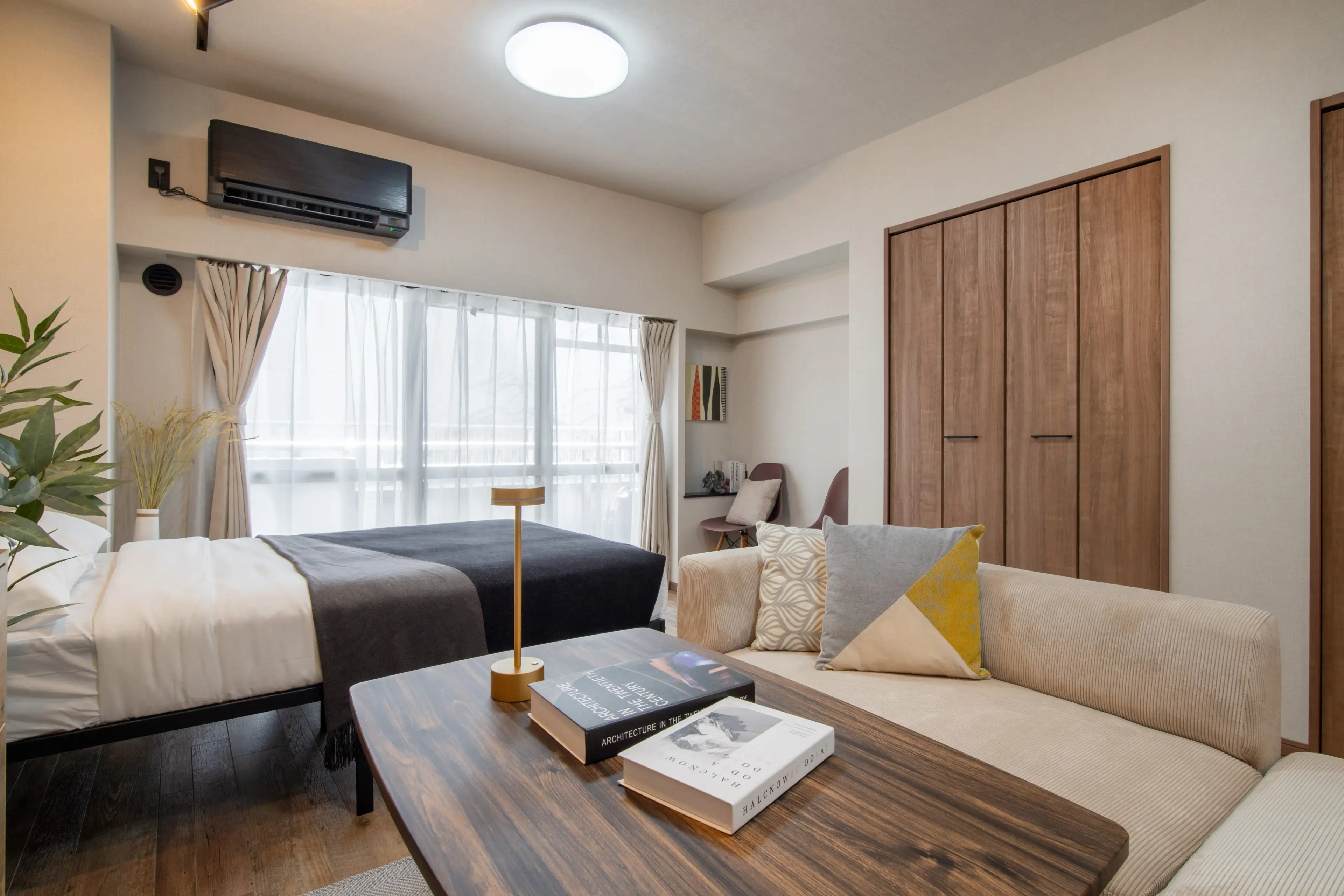 Occupied
Fully Furnished Apartment 20 Min to Takadanobaba
Iidabashi High Town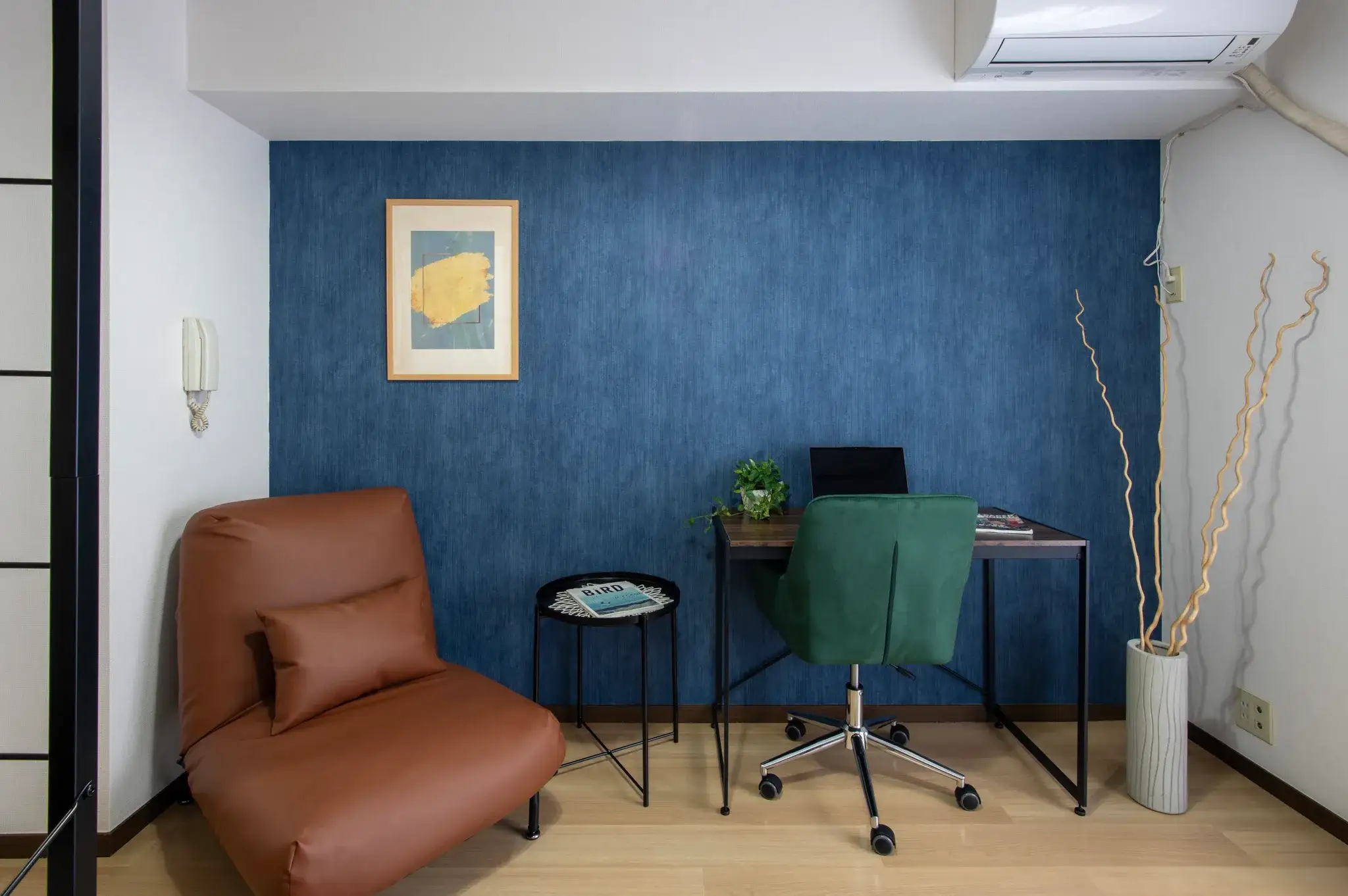 Possibly from Dec 3, 2026
Furnished apartment in Meguro
ML Meguro — 208
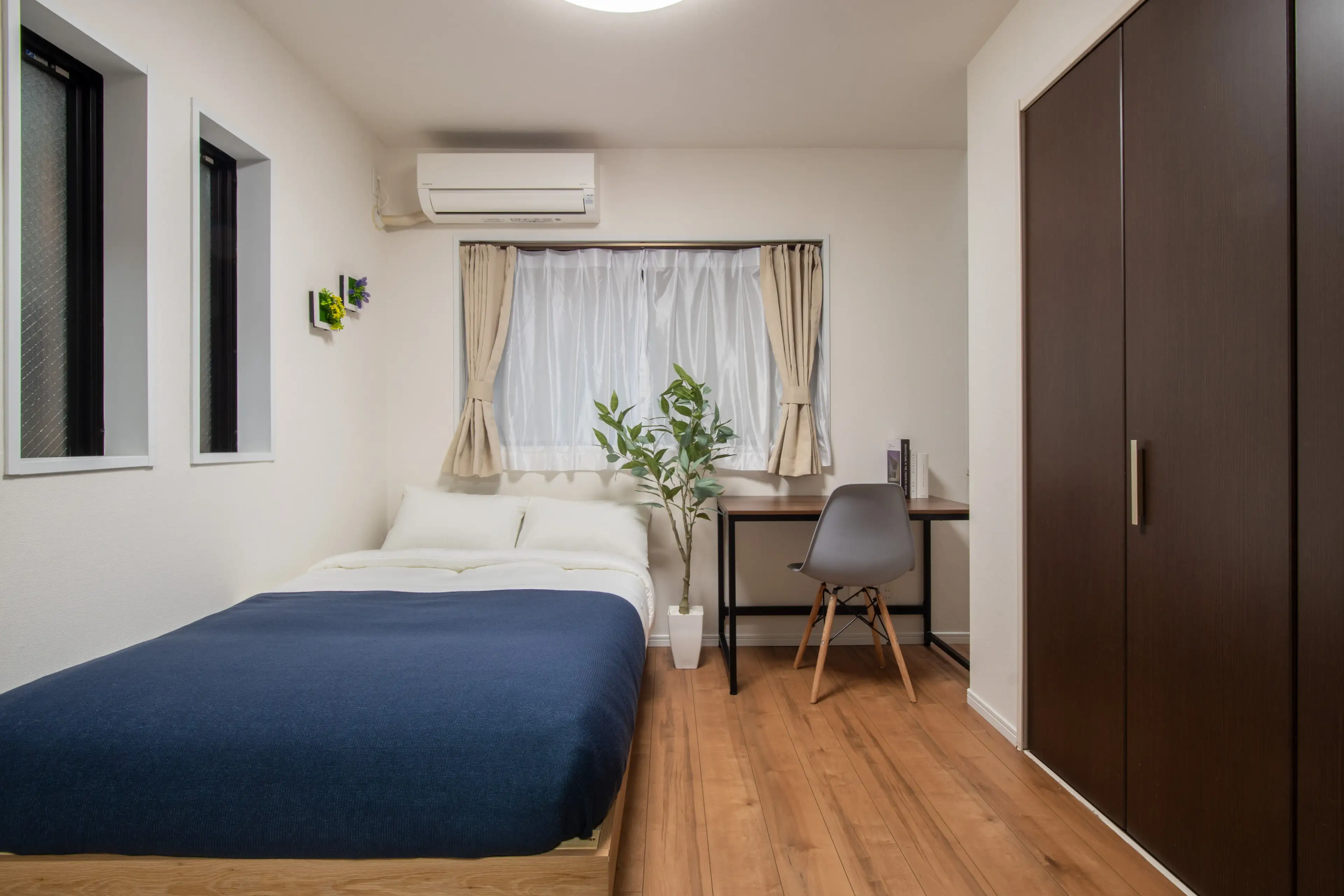 Available Now
Furnished apartment in Shinagawa
Beverly Homes Nishikoyama — 103