
Living in Tokyo Modern Living Tokyo TeamJun 2, 20266 min read
What's It Actually Like to Live in a Tokyo Share House? (Real Resident Stories)
# What's It Actually Like to Live in a Tokyo Share House? (Real Resident Stories)
Brochures show smiling housemates at brunch. The reality is messier and more interesting: **shared kitchens with 6 cuisines being cooked at once, late-night conversations with strangers from 4 continents, the occasional dish-washing dispute, and friendships you didn't expect**. Here's what life actually looks like, in the words of people who've lived it.
For the full anchor reference, see our [Tokyo share houses guide](/share-houses).
## What does a typical day in a Tokyo share house look like?
A typical day in a Modern Living Tokyo share house:
- **7-9am:** Kitchen rotates 3-5 people making breakfast — quick hellos, coffee, brief news exchange, then off to work/school. Common kitchen items: toast, eggs, instant miso, occasional Korean breakfast, French press coffee.
- **9am-6pm:** House is mostly empty (residents at work, school, or co-working spaces)
- **6-9pm:** Peak kitchen time — 4-6 people cooking dinner simultaneously, often sharing ingredients or recipes. This is where most friendships form. Common scene: an Italian housemate teaching pasta sauce while a Japanese housemate explains how to season rice.
- **9-11pm:** Lounge time — 3-5 people watching streaming, playing games, having beers, deep conversations
- **11pm-midnight:** Quiet hour begins; activity moves to private rooms
- **Weekend mornings:** Slow brunch in the lounge, group plans for daytrips, laundry rotation
It's not every day — some days you barely see your housemates because schedules differ. But the rhythm exists.
## What do residents actually like about it?
From actual Modern Living Tokyo resident reviews and conversations:
**Sarah, 28, UK, 8 months in Setagaya share house:**
> "I moved to Tokyo not knowing anyone. Within 2 weeks I had a group of 6 friends from 5 countries. The kitchen is where everything happens — you can't be a stranger for long when you're sharing a fridge."
**Marcus, 32, Germany, 14 months in Meguro share house:**
> "I'm an introvert. I was worried I'd hate share-house living. Turns out the private room is exactly enough — I retreat there when I need to. The common areas are optional. It's actually less invasive than I expected."
**Yuki, 24, Taiwan, 2 years in Toshima share house:**
> "My Japanese got better in 6 months of share house than 2 years of classes. My housemates speak to me in Japanese every day. The mistakes I make at home (saying 'desu' wrong, mixing up keigo) are corrected gently in casual conversation."
**Andrew, 35, US, 3 years in Shibuya share house then 2 years in apartment:**
> "I lived in the share house when I first arrived. I had no Japanese friends. By month 6, I had 4 close ones — all from the same house. When I moved to my own apartment, I kept those friendships. They're still my Tokyo crew today."
## What do residents NOT like?
The honest negatives:
**Privacy limits.** Even with a lockable bedroom, the kitchen and bathroom are shared. Some days you don't want to small-talk while making breakfast. You have to choose to eat earlier/later, or eat in your room.
**Kitchen conflicts.** Someone's pan left on the stove. Someone's food taking your fridge space. Someone's dishes piled up. Modern Living Tokyo has clear rules + weekly housekeeping cleaning, but residents enforce day-to-day standards together. Some weeks it's smooth, some weeks it's tense.
**Noise from housemates.** Mostly fine, occasionally annoying — someone on a 1am video call, someone playing music too loud, footsteps overhead. Most Modern Living Tokyo houses have good sound insulation, but it's not zero.
**Different cleanliness baselines.** People raised in different cultures have different defaults for "clean." Japan's default is stricter than most. International houses sometimes have friction here.
**Romance complications.** If you're dating someone in the same house, breakups get awkward. If you bring partners overnight, others notice. Better to date someone NOT in your house.
## How long do most people actually stay?
Modern Living Tokyo share-house resident data:
- **15%** stay 1-3 months (short program, "try Japan" stint, between apartments)
- **35%** stay 3-9 months (working holiday, exchange semester, project work)
- **30%** stay 9-18 months (full study program, longer work assignment)
- **20%** stay 18 months+ (some 3-5 year residents who'd rather pay ¥65K all-in than move to an apartment)
The common pattern: **book for 3 months, end up staying a year**. Most residents either love the community and extend, or transition to an apartment in the same Modern Living Tokyo system once they're more established.
## How do people make friends in a share house?
The mechanism is mostly: **proximity + repetition + shared low-stakes activities**.
You see the same 5-10 people every day in the kitchen. You both make coffee. You exchange 30 seconds of chat. Over weeks this accumulates into knowing them — their work, family, weekend plans. Eventually you grab dinner together, or join a group movie night, or travel together for a weekend.
It's NOT about being naturally extroverted or knowing how to "make friends." It's about being available in the shared spaces sometimes, and showing up consistently. Even introverts make friends this way — it just happens slower.
## What's the share house dynamic like in Tokyo specifically?
Three things make Tokyo share houses unique:
1. **High % of foreigners by city standards** — Tokyo share houses are 60-80% international, far higher than the Tokyo average of ~3% foreign residents. The community is unusually diverse.
2. **Japanese resident participation varies** — some houses are mostly foreigners (more English-speaking, more "international hub" vibe); some are 30-50% Japanese (more language exchange, more cultural immersion). Both work; pick what suits you.
3. **Cultural mediation is part of operator's job** — Modern Living Tokyo coaches residents on Japanese cultural norms (cleaning, noise, garbage) and helps mediate when norms clash. We have 13-language support specifically for this.
## When does someone decide to move out of a share house?
Common triggers:
- **Starting a serious relationship** (need partner privacy)
- **Family visiting Japan** (want them to stay with you, not in a hotel)
- **Income increased significantly** (can afford an apartment, want privacy)
- **Need quiet space for intensive work** (PhD writing, startup founder, long video calls)
- **Tired of housemates** (the "I've outgrown this" feeling, usually after 1-2+ years)
When this happens, Modern Living Tokyo makes the transition seamless: browse our apartments, pick one in the same area, move directly. No double-paying.
## Would residents recommend a Tokyo share house to a friend?
The unanimous answer from our surveys: **yes for the first 6-18 months in Tokyo, regardless of age or background**. It's the fastest way to build a community in an unfamiliar city, even for people who'd normally prefer privacy.
After year 1+, the answer depends on personality, income, and life stage.
## Related guides
- **Anchor:** [Share houses in Tokyo — full guide](/share-houses)
- [Share house Tokyo etiquette: rules foreigners should know](/blog/share-house-tokyo-etiquette-rules)
- [Best share houses in Tokyo for foreigners](/blog/best-share-houses-tokyo-foreigners-2026)
- [Tokyo share house cost breakdown 2026](/blog/tokyo-share-house-cost-breakdown-2026)
## Ready to experience it yourself?
[Browse Modern Living Tokyo's 300+ share-house rooms](/share-houses) — instant community, 13-language support, transparent pricing.
Modern Living Tokyo Team
Related Articles
 Living in Tokyo
Share House Tokyo Etiquette: Rules and Norms Foreigners Should Know
Unwritten rules of Tokyo share house living — kitchen, bathroom, noise, garbage, guests. What works, what offends, and what's specific to Japanese culture.
 Modern Living Tokyo TeamRead more →
 Lifestyle
Practicing Martial Arts in Tokyo: A Foreigner's Guide to Dojos & Training
A practical guide to training martial arts in Tokyo as a foreigner — covering top dojos, costs, etiquette, visa options, and the best wards to live in.
Modern Living TokyoRead more → Culture
Learning to Cook Japanese Food in Tokyo: Classes & Culinary Schools
From one-day sushi workshops to professional culinary schools, discover the best Japanese cooking classes in Tokyo for foreigners — with costs, locations,...
Modern Living TokyoRead more →Featured properties
 Occupied
1/6
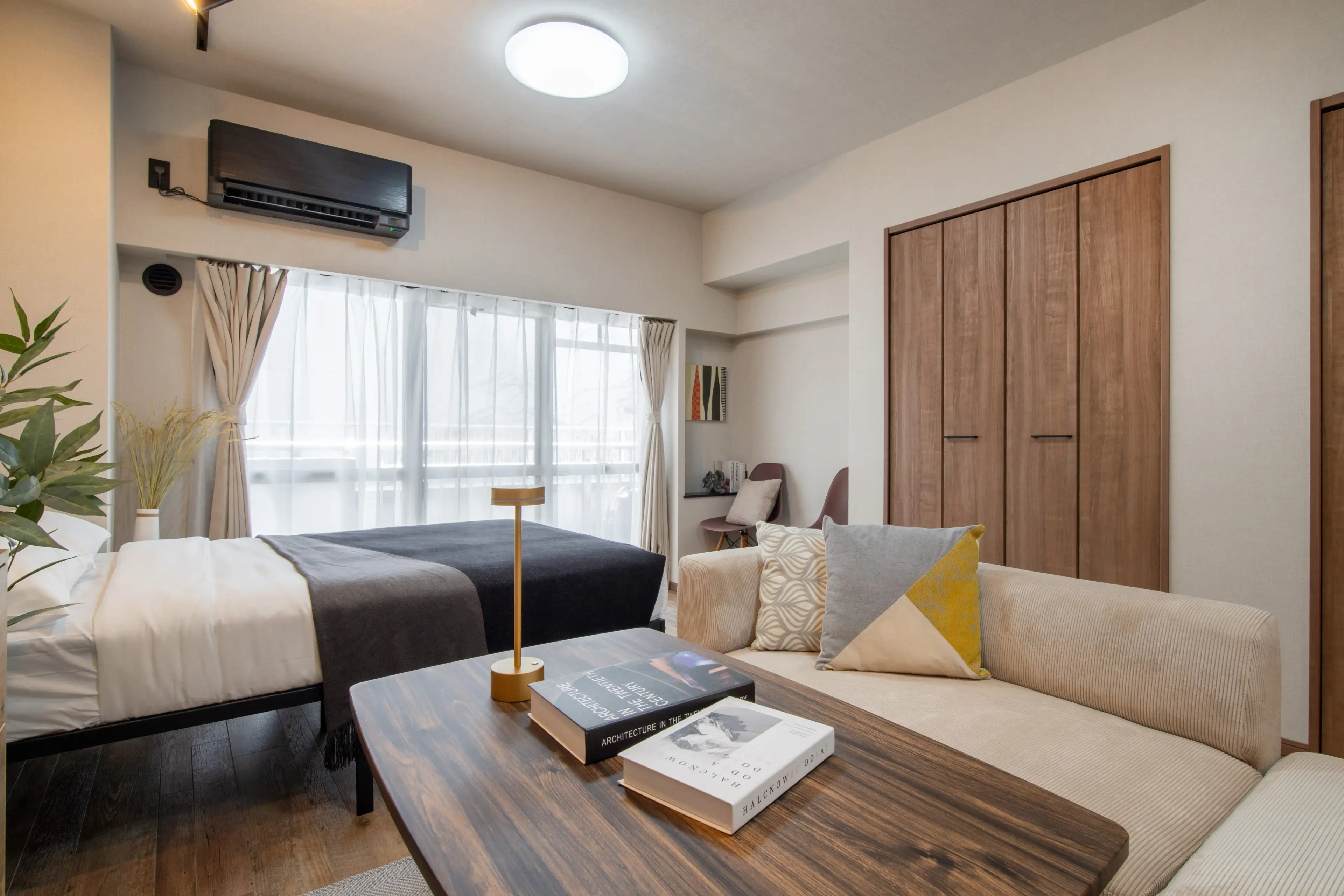
Fully Furnished Apartment 20 Min to Takadanobaba
Iidabashi High Town¥180,000 /month
WifiHair DryerWashing Machine
1K 32m²
 Available from Dec 7, 2026
1/10
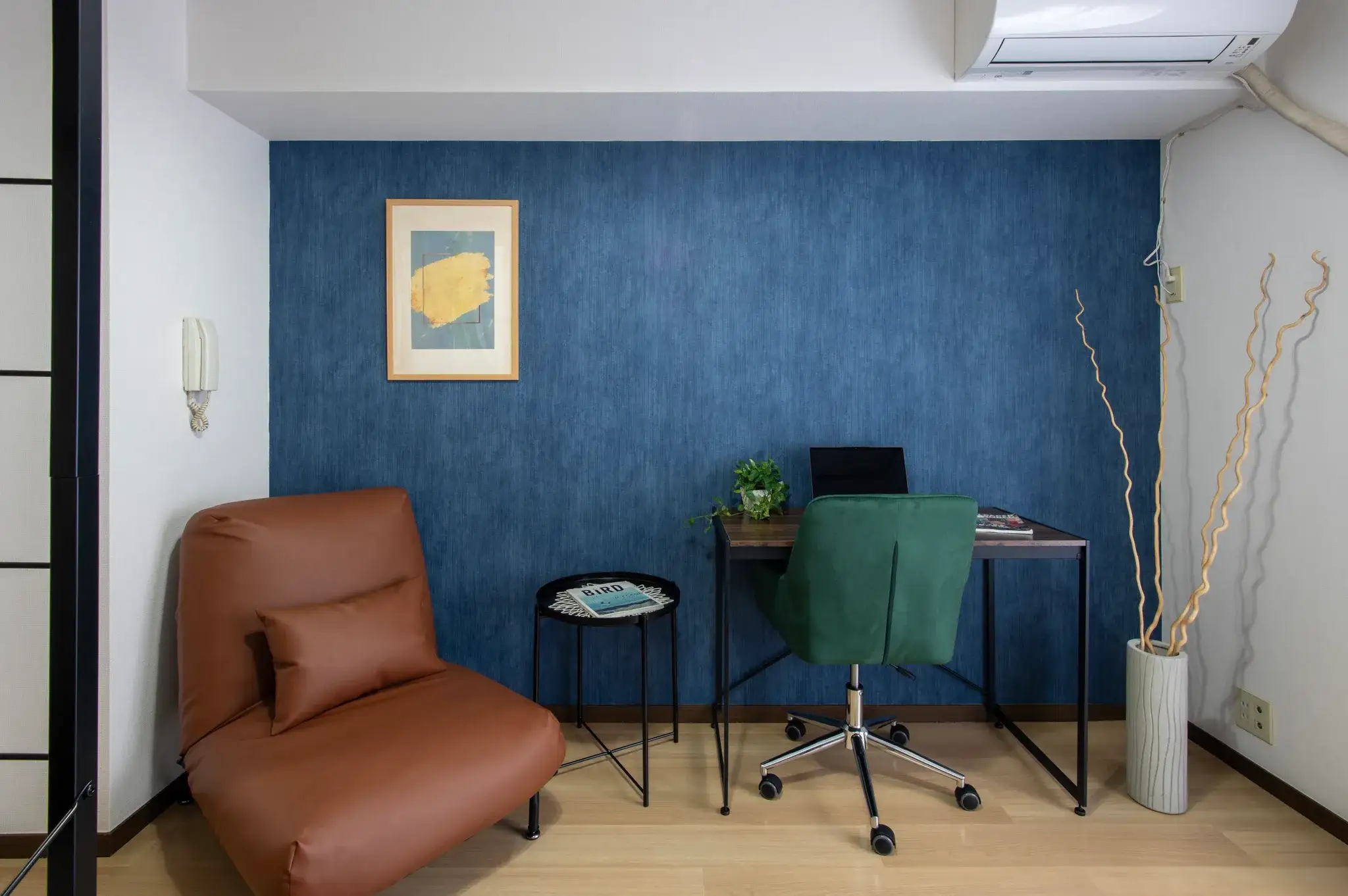
Furnished apartment in Meguro
ML Meguro — 208¥131,000 /month

Nishi Koyama2 min
WifiHair DryerWashing Machine
1K 20.46m²
 Possibly from Feb 22, 2027
1/7
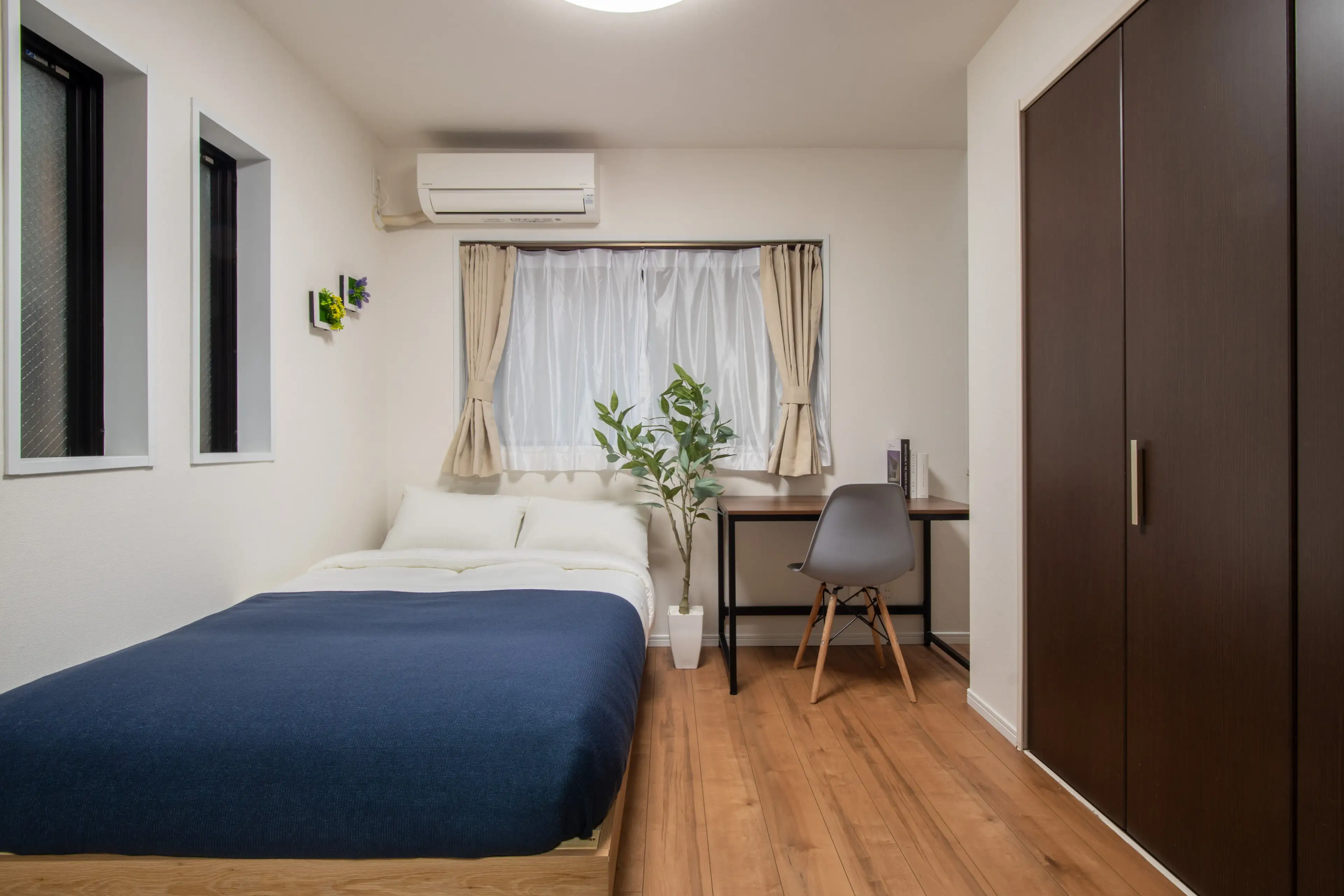
Furnished apartment in Shinagawa
Beverly Homes Nishikoyama — 103¥230,000 /month
Nishi Koyama4 min
WifiHair DryerWashing Machine
2LDK 48.3m²